Beyond the Nutty Flavor: Why Genmaicha and Sushi Are the Perfect Pairing
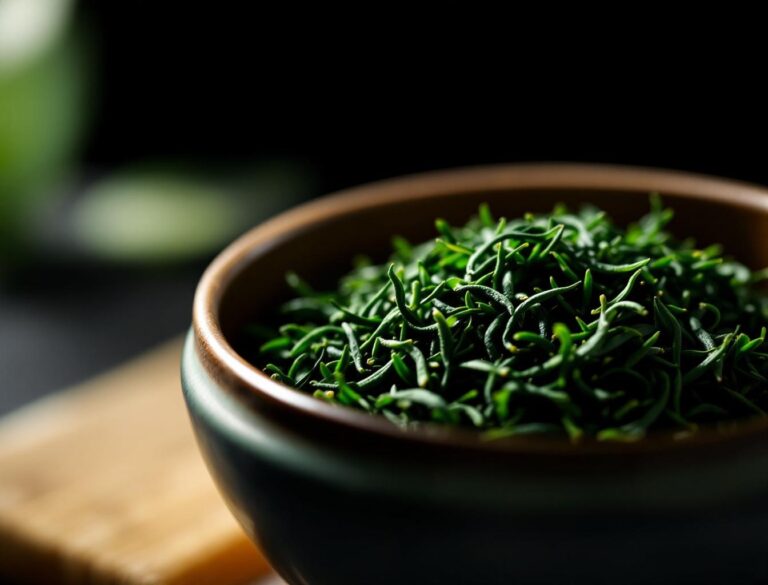
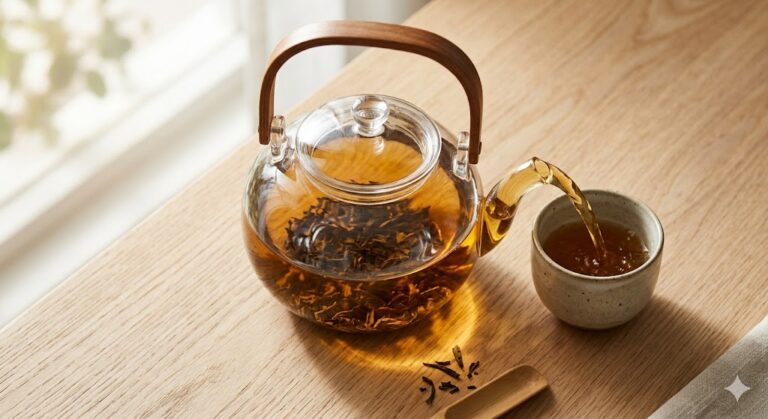
Genmaicha was not designed to be fancy. It was created by mixing toasted brown rice with green tea leaves — originally to stretch expensive tea further. But somewhere along the way, people noticed something special, and today it has become a staple in many kitchens for cooking with genmaicha.
Today, genmaicha is one of the most popular sushi-counter teas in Japan — and the reasons go deeper than tradition.
Why Genmaicha and Sushi Are the Perfect Pairing
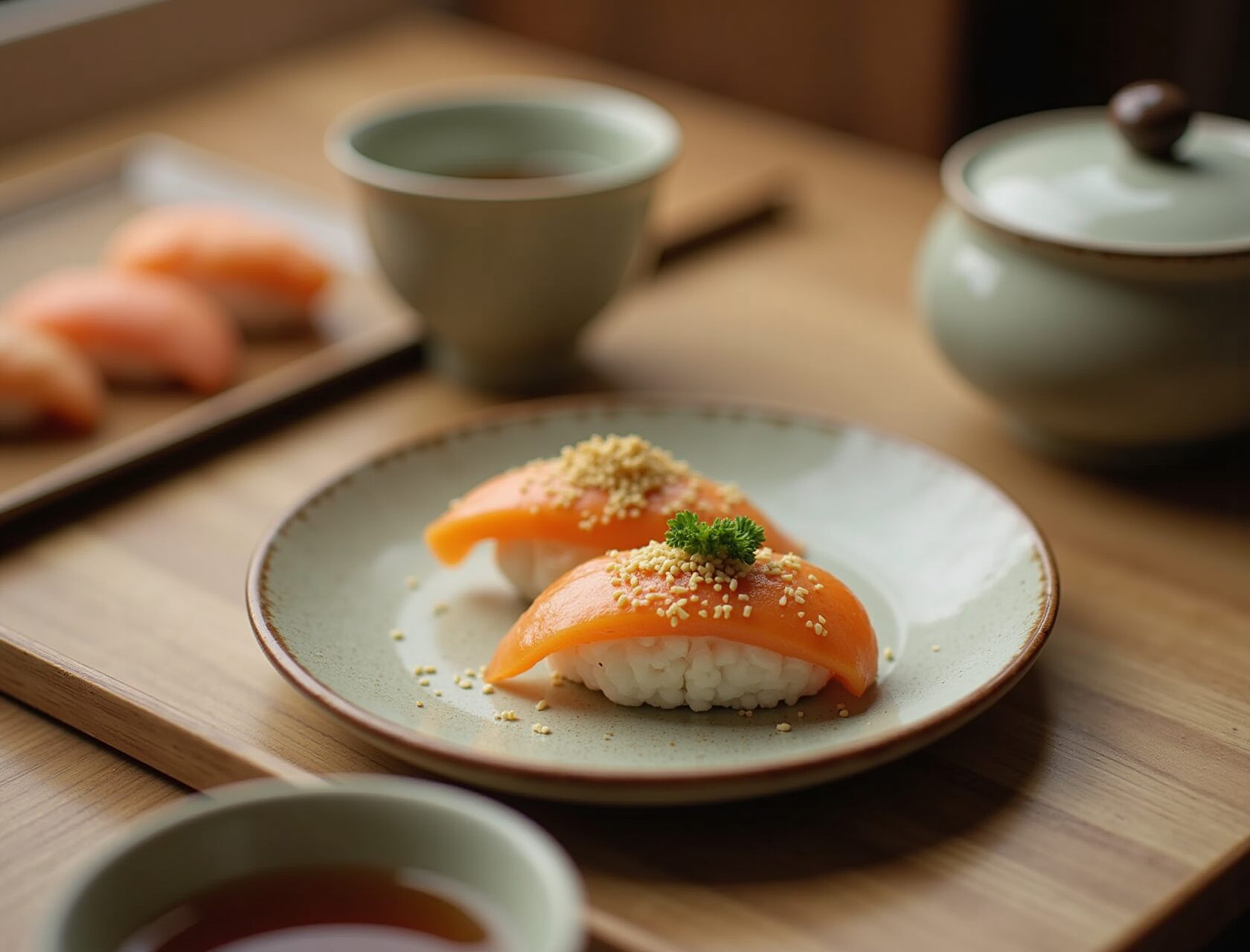
At nearly every sushi restaurant in Japan, you will find genmaicha or a similar robust green tea served alongside the meal. This is not a random choice — there is real flavor science behind the pairing.
Palate Cleansing Between Bites
Raw fish leaves a fatty, rich residue on the palate. The polyphenols in green tea act as a natural palate cleanser, cutting through that richness and resetting your taste buds for the next piece. This is why experienced sushi eaters sip tea between courses — it makes each piece of fish taste as fresh as the first.
The Rice-to-Rice Harmony
Sushi is vinegared rice topped with fish. Genmaicha is green tea blended with toasted rice. The cereal, grain character of both creates a flavor bridge — the toasted rice in the tea echoes and amplifies the rice in the sushi. It is a resonance you feel intuitively, even if you cannot articulate why the combination works so well.
Temperature Contrast
Hot genmaicha against cold raw fish creates a temperature contrast that heightens your perception of both. The warmth of the tea opens your palate while the coolness of the fish sharpens it. Japanese cuisine is built on these kinds of deliberate contrasts.
Ginger Synergy
The thin slices of ginger (gari) served with sushi are not just garnish. When you combine ginger with the polyphenols in genmaicha, there is a synergistic flavor enhancement — each amplifies the other's ability to cleanse and refresh the palate. This three-way interaction between tea, ginger, and fish is one of the most elegant food pairings in Japanese culinary tradition.
Beyond Sushi: What Genmaicha Pairs Well With
Genmaicha‘s balanced, nutty character makes it one of the most versatile food-pairing teas in the Japanese tea family.
| Food Category | Why It Works | Examples |
|---|---|---|
| Rice dishes | Rice-to-rice resonance amplifies cereal notes | Onigiri, donburi, ochazuke, fried rice |
| Raw fish | Polyphenols cleanse fatty residue | Sashimi, chirashi, temaki |
| Noodles | Warm, earthy complement to broth-based dishes | Soba, udon, ramen |
| Savory snacks | Nutty tea mirrors roasted/fried flavors | Senbei, karaage, tempura |
| Mild cheese | Toasted rice cuts richness without overpowering | Fresh mozzarella, mild gouda |
| Chocolate | Roasted grain + cocoa = natural harmony | Milk chocolate, chocolate croissants |
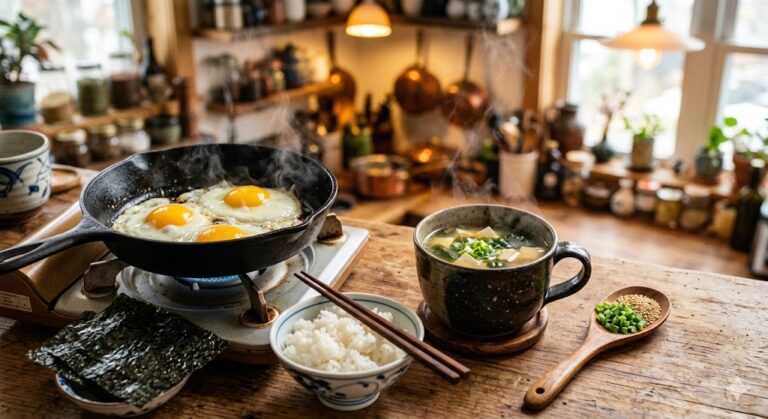
| Breakfast | Low caffeine, cereal character = morning-friendly | Toast, eggs, oatmeal, granola |
Genmaicha is notably bad at pairing with intensely sweet desserts — the tea's mild sweetness gets overwhelmed. For dessert pairing, hojicha's deeper caramel notes work much better.
The Coffee-Quitter's Tea
One of genmaicha‘s unexpected strengths is how naturally it fits into a coffee lover's routine. The toasted brown rice creates warm, nutty, cereal-like flavors that share DNA with coffee's roasted character. People who are trying to reduce their coffee intake often find genmaicha satisfies the same craving for something warm, toasty, and full-bodied — without the 95-200 mg caffeine hit.
Genmaicha typically contains about 9-15 mg of caffeine per cup, depending on the grade of green tea used and the brewing temperature. That is roughly one-tenth of a cup of coffee. The toasted rice itself contains zero caffeine, so the more rice in the blend, the lower the total caffeine.
For a complete caffeine comparison, see our green tea caffeine guide.
How to Make DIY Genmaicha at Home
Making your own genmaicha lets you customize the ratio of rice to tea and the roasting level. The process is straightforward, but one step is critical for the best results.
The 24-Hour Rice Soak (Do Not Skip This)
If you are using brown rice, you need to soak it for 24 to 36 hours before cooking. Brown rice has an intact bran layer that contains phytic acid — a compound that can give the finished tea a chalky, flat taste and affect mineral absorption. The extended soak breaks down the phytic acid, producing a cleaner, sweeter toasted grain.
White rice only needs a 30-minute soak in warm water. It makes a lighter, milder genmaicha.
Step-by-Step DIY Genmaicha
- Soak the rice — Brown rice: 24-36 hours in water, changing the water every 8 hours. White rice: 30 minutes in warm water.
- Cook the rice slightly firm — Use about 80% of the normal water amount. You want the grains firm, not mushy.
- Rinse and dry thoroughly — Rinse cooked rice in a colander, drain, and press dry with paper towels. Excess moisture will cause burning during toasting.
- Oven-dry — Spread rice on a baking sheet. Dry at 120°C (250°F) for 15-20 minutes, stirring occasionally.
- Toast in a pan — Heat dried rice in a large nonstick pan over low heat. This is critical: low heat, frequent stirring, patience. Burnt rice tastes bitter and will ruin the blend. Toast until grains are puffy and uniformly golden brown.
- Cool completely — Let the toasted rice reach room temperature before mixing.
- Blend 1:1 — Mix equal parts toasted rice and your favorite loose-leaf green tea (sencha or bancha both work). Store in an airtight container away from light and moisture.
Customizing Your Blend
- More rice (2:1 ratio) — Nuttier, lower caffeine, milder tea flavor
- More tea (1:2 ratio) — Stronger green tea character, higher caffeine, more astringency
- Add matcha — A pinch of matcha powder creates matcha-iri genmaicha, with a richer green color and more umami
- Dark roast — Toast the rice longer for a more coffee-like, smoky character
Brewing Genmaicha: The Temperature Split
Genmaicha is unique because it has two flavor components that respond differently to temperature:
- Boiling water (100°C) — Unleashes the maximum toasted rice aroma. The nutty, popcorn-like scent fills the room. Best for standard genmaicha with bancha-grade leaves. Steep just 30 seconds.
- Cooler water (80-85°C) — Preserves the green tea's umami and sweetness while softening the rice character. Better for premium blends that use sencha or include matcha. Steep 60-90 seconds.
Lab data shows genmaicha brewed at 180°F (82°C) for 45 seconds contains just 9.7 mg of caffeine, while the same tea at 212°F (100°C) for 3 minutes yields 14.3 mg. Either way, it is a very low-caffeine drink.
For the full science of how temperature transforms every Japanese tea, see our brewing temperature guide.
Genmaicha vs. Sencha: Which Should You Choose?
| Factor | Genmaicha | Sencha |
|---|---|---|
| Flavor | Nutty, toasty, mild, cereal-like | Grassy, bright, complex, vegetal |
| Caffeine | ~9-15 mg (rice dilutes) | ~20-30 mg |
| Food pairing | Excellent — works with most meals | Good, but can overwhelm delicate foods |
| Brewing | Very forgiving (80-100°C) | Needs precision (80°C ideal) |
| Best for | Coffee quitters, all-day sipping, meals | Afternoon tea, standalone drinking |
| Price | $ (affordable) | $$ (varies by grade) |
Want to explore the full range of Japanese green teas? Our complete Japanese green tea guide covers every variety from gyokuro to kukicha.
Frequently Asked Questions
Why is genmaicha served at sushi restaurants?
Genmaicha’s balanced, nutty character makes it one of the most versatile food-pairing teas in the Japanese tea family. The polyphenols in the green tea cleanse the palate between pieces of fish, while the toasted rice echoes the sushi rice and creates a harmonious flavor bridge. Combined with the ginger traditionally served alongside sushi, the experience becomes even more layered — and the right brewing techniques can enhance this synergy even further.
Is genmaicha good for people who do not like green tea?
Yes — genmaicha is often recommended as the entry point for green tea skeptics. The toasted rice softens the vegetal “grassiness” that some people find off-putting, replacing it with warm, nutty, familiar flavors closer to toasted cereal. If you like the smell of fresh bread or roasted nuts, you will likely enjoy genmaicha.
Does the rice in genmaicha add calories?
The amount of rice per cup is minimal (about 1-2 grams of toasted grain per serving), so the caloric impact is negligible — typically under 5 calories per cup.
Can I make genmaicha with white rice?
Yes. White rice produces a lighter, milder genmaicha with a cleaner toasty flavor. It only needs a 30-minute soak before cooking, versus the 24-36 hour soak required for brown rice. Brown rice gives a deeper, nuttier character.
How long does genmaicha stay fresh?
Store genmaicha in an airtight, opaque container away from heat and moisture. It stays fresh for 2-3 months at room temperature or up to 6 months refrigerated. The toasted rice can go stale faster than the tea leaves, so consume within a reasonable timeframe for the best nutty aroma.