Kyusu Teapot Guide: How to Choose, Use, and Care for Your Japanese Teapot
A kyusu is one of those objects that's simultaneously practical and quietly beautiful. I've had the same Tokoname clay kyusu for six years. It has absorbed the oils from thousands of cups of Japanese green tea and improved with every use. Understanding what you're looking for — and what you're actually using it for — makes choosing one far easier.
What Is a Kyusu?
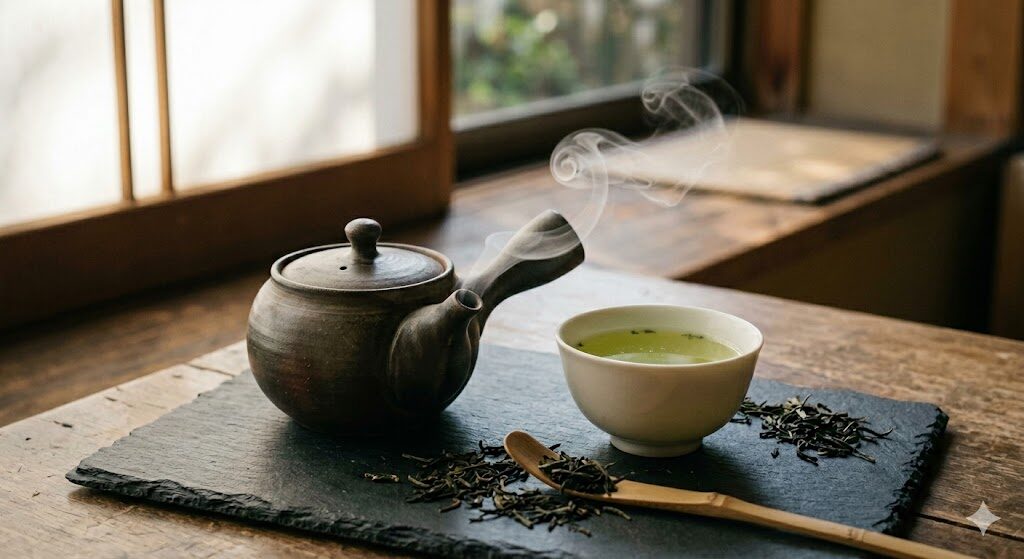
Kyusu (急須) is the generic Japanese term for teapot, but in common usage it refers specifically to the compact, side-handle teapot used for brewing Japanese green tea. The classic design has a handle extending horizontally to the right or left of the body, a built-in strainer where the spout meets the body, and a removable lid.
The side handle design isn't merely aesthetic — it allows pouring at an angle without picking up the teapot by the body, keeping hands away from the hot ceramic. The small size (usually 200–500ml) is intentional: Japanese tea is brewed and served in small portions with multiple re-steeps, not in large batches.
Types of Kyusu
Ushirode Kyusu (Rear Handle)
The handle extends from the back of the teapot rather than the side. Preferred for thicker, larger teapots and for brewing teas that require tilting the pot more steeply to fully drain. Less common in Western markets than side-handle styles.
Uwade Kyusu (Overhead Handle)
A looping handle over the top, similar to a Western teapot. More familiar to non-Japanese users. Usually used for brewing larger quantities or for ceremonial presentation. The arched handle doesn't allow the same precise pour angle as side or rear handle designs.
Houhin (No Handle)
A handleless version designed for brewing gyokuro and premium teas at low temperatures (below 65°C). Without a handle, the brewer wraps both hands around the body for warmth — only possible when water temperature is low enough not to scald. Used specifically in the gyokuro preparation method.
Clay Types and Their Effects
Tokoname Clay (Aichi Prefecture)
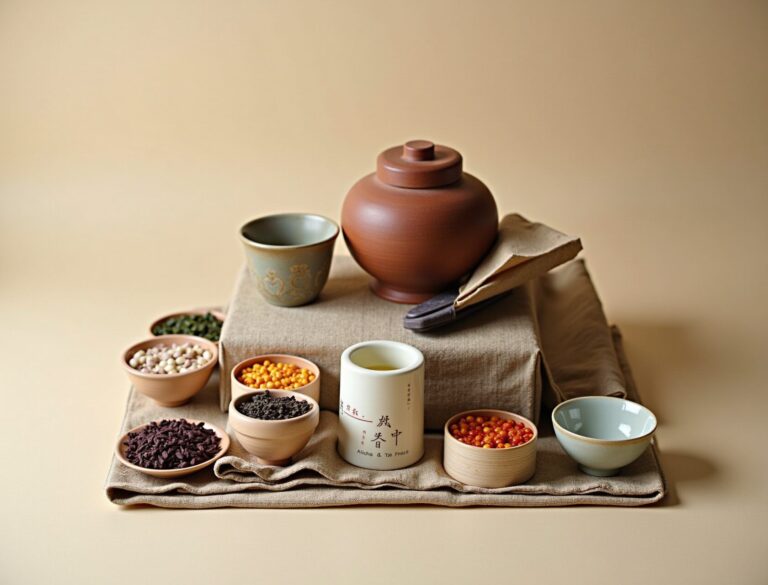
The most widely known Japanese kyusu clay. Tokoname clay has a slightly reddish color and high iron content. The clay is porous enough to season with use — over hundreds of brewings, the clay absorbs tea oils and the patina improves the flavor of subsequent brews. Tokoname is the default choice for serious Japanese green tea drinkers.
Our Tokoname kyusu selection includes multiple sizes and styles from traditional craftspeople in Tokoname city.
Banko Ware (Mie Prefecture)
Purple clay with distinctive mineral character. Banko teapots are often used for hojicha and roasted teas where the clay's mineral properties complement the roasted character.
White Porcelain
Glazed white porcelain kyusu are neutral — they don't season with use and don't impart any mineral flavor. They're the most practical choice if you brew multiple tea types and want a clean, consistent flavor without clay influence.
Cast Iron (Tetsubin)
Cast iron teapots are not kyusu in the traditional sense but are used for green tea. The interior enamel-coated versions are appropriate for direct brewing; uncoated cast iron interiors rust and are not suitable for direct tea contact.
How to Choose the Right Size
Size selection depends on how many people you're serving:
- 150–200ml: Single person, 1 cup at a time
- 300–400ml: 1–2 people, multiple small cups per steep
- 450–500ml: 2–3 people, casual everyday brewing
- 600ml+: 3–4 people or large cups
Smaller is generally better — Japanese tea is brewed multiple times from the same leaves, and small portions keep each infusion hot and fresh.
The Strainer: Most Important Practical Feature
The strainer is where the quality difference between kyusu types is most apparent. High-quality kyusu have many small holes drilled directly through the clay — these holes filter tea leaves without significantly restricting flow. Lower-quality versions have few holes or a mesh insert that restricts flow, affecting pour speed and extraction consistency.
For sencha and kabusecha, you want fine strainer holes since the rolled leaves are small. For genmaicha and hojicha, the larger leaf and rice pieces don't require as fine a strainer.
How to Use a Kyusu Correctly
- Warm the kyusu: pour a small amount of hot water, swirl, discard
- Add measured loose-leaf tea
- Pour water at the correct temperature (depends on tea type)
- Steep for the appropriate time
- Pour completely into cups — drain the last drops
- Do not leave liquid in the pot between steeps
The final step is critical: leaving liquid in the pot continues extraction and makes subsequent infusions over-extracted. Always pour completely.
Caring for a Clay Kyusu
Do not use soap — it penetrates the porous clay and ruins the seasoning. Rinse with hot water immediately after use, allow to air dry completely with the lid off. For stubborn tea stains, scrub gently with a soft brush under hot water. The natural tea oil patina that develops over years is valuable and not to be scrubbed away.
Frequently Asked Questions
Can I use a kyusu for hojicha?
Yes — a separate kyusu for roasted teas (hojicha, genmaicha) is a good idea if you also brew delicate green teas in clay pots. The roasted flavors can season clay differently than green tea and potentially affect the flavor of subsequent green tea brews. Neutral glazed or glass teapots are also good options for multi-tea-type households.
How long does a Tokoname kyusu last?
Indefinitely with proper care. Tokoname clay teapots are family heirlooms in Japan. The main risk is dropping and chipping, not natural degradation. A well-maintained clay kyusu improves with age.
Do I need a special kettle with a kyusu?
Temperature-controlled kettles make green tea brewing significantly more consistent. Pour-over gooseneck kettles allow more precise control of water flow. Neither is required — you can use any kettle and estimate temperature by visual cues (small bubbles = approximately 70–80°C, full rolling boil = 100°C). But for delicate teas, temperature control pays dividends.
What's the difference between a kyusu and a standard teapot?
Beyond the handle position, the primary functional differences are: smaller size (optimized for single or small-group service), built-in strainer rather than mesh insert, porous clay that seasons with use (in unglazed versions), and the pour-completely design philosophy versus Western teapots that often hold a reserve.