Genmaicha vs Sencha: Key Differences Explained
Quick answer: Genmaicha is sencha (or bancha) mixed with toasted brown rice. Sencha delivers clean, vegetal umami with higher caffeine; genmaicha offers a nuttier, toastier cup with roughly 40% less caffeine. Both are outstanding — your choice depends on when and why you're drinking.
The Origin Story: From Poverty Tea to Refined Choice
Genmaicha (玄米茶) has one of the more compelling origin stories in the tea world. In pre-war Japan, green tea was expensive — a luxury that stretched thin household budgets. Poor families and farmers began mixing roasted brown rice (genmai) into their tea leaves as a filler, making precious sencha go further. The tea was dismissed as a peasant drink, sometimes called goban-cha (fifth-rate tea) or the poor man's brew.
Today, that same “poverty tea” commands shelf space in specialty shops worldwide and is prized for exactly what made it frugal: the roasted rice that once stretched the budget now delivers a complex, warming flavor unlike anything else in the Japanese tea canon.
There's also a charming legend attached to its creation. One version credits a 15th-century tea master's servant named Genmai, who accidentally dropped a handful of roasted rice into the tea during a ceremony. Rather than punish the servant, the master tasted the accident — and found it delightful. Whether true or apocryphal, the story captures something real: genmaicha is a tea that rewards improvisation.
And the “popcorn tea” nickname? Entirely deserved. During roasting, some of the brown rice kernels actually pop open, blooming into miniature puffs that resemble tiny popcorn pieces. These bloomed kernels — called haigome — are a quality indicator. In premium blends, you'll see a higher ratio of these popped grains, which brew into a sweeter, more aromatic cup.
What Is Sencha?
Sencha (煎茶) is the most widely consumed tea in Japan, accounting for roughly 60–70% of domestic production. It's the default green tea — the one in every household, every convenience store, every restaurant.
Sencha is made from Camellia sinensis leaves that grow in direct sunlight, distinguishing it from shaded teas like gyokuro and matcha. After harvest, leaves are immediately steamed to halt oxidation, then rolled into the characteristic tight needles before drying. That steaming step — Japanese green tea's defining technique — preserves the brilliant green color and locks in the fresh, grassy character.
First-flush sencha (ichibancha), harvested in spring, is considered the finest: higher in L-theanine (the amino acid behind umami sweetness), more aromatic, more complex. Later harvests are fuller-bodied but less nuanced. The cultivar Yabukita dominates production — about 75% of Japanese sencha comes from this single plant variety — though single-cultivar and specialty sencha from cultivars like Okumidori and Saemidori are gaining favor among tea enthusiasts.
There are also two key processing styles to know:
- Asamushi (lightly steamed) — 30–60 seconds of steaming produces intact needle-shaped leaves that brew into a clear, golden-green liquor with a bright, brisk character
- Fukamushi (deep-steamed) — 2–3 times longer steaming breaks the leaves into smaller pieces, producing a darker, cloudy brew that's fuller-bodied and lower in bitterness
What Is Genmaicha?
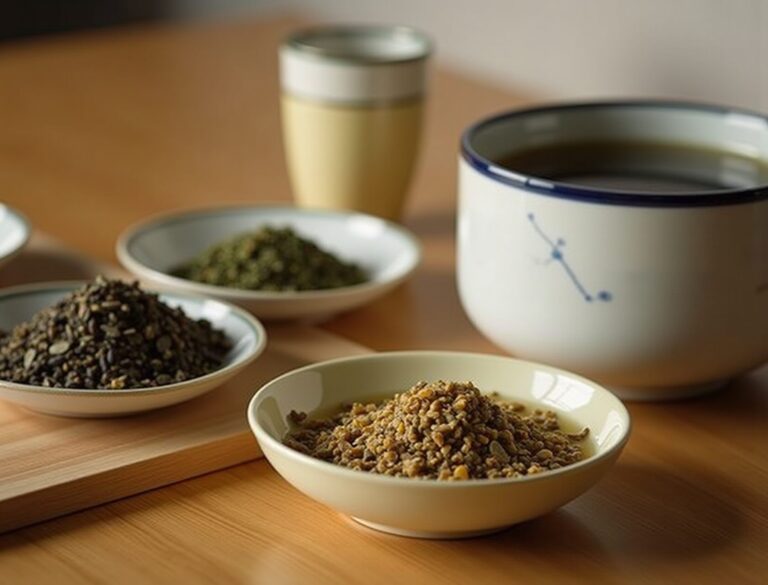
Genmaicha is a blend — green tea leaves combined with roasted brown rice in roughly equal proportions (though this ratio varies significantly by brand and quality tier).
The tea base matters more than most buyers realize. Budget genmaicha uses bancha — late-harvest summer or autumn leaves that are naturally lower in caffeine and lighter in flavor. Premium genmaicha uses sencha as its base, delivering more complex vegetal notes beneath the toasty rice. At the very top of the market, you'll find genmaicha made with gyokuro leaves, producing a cup of remarkable depth.
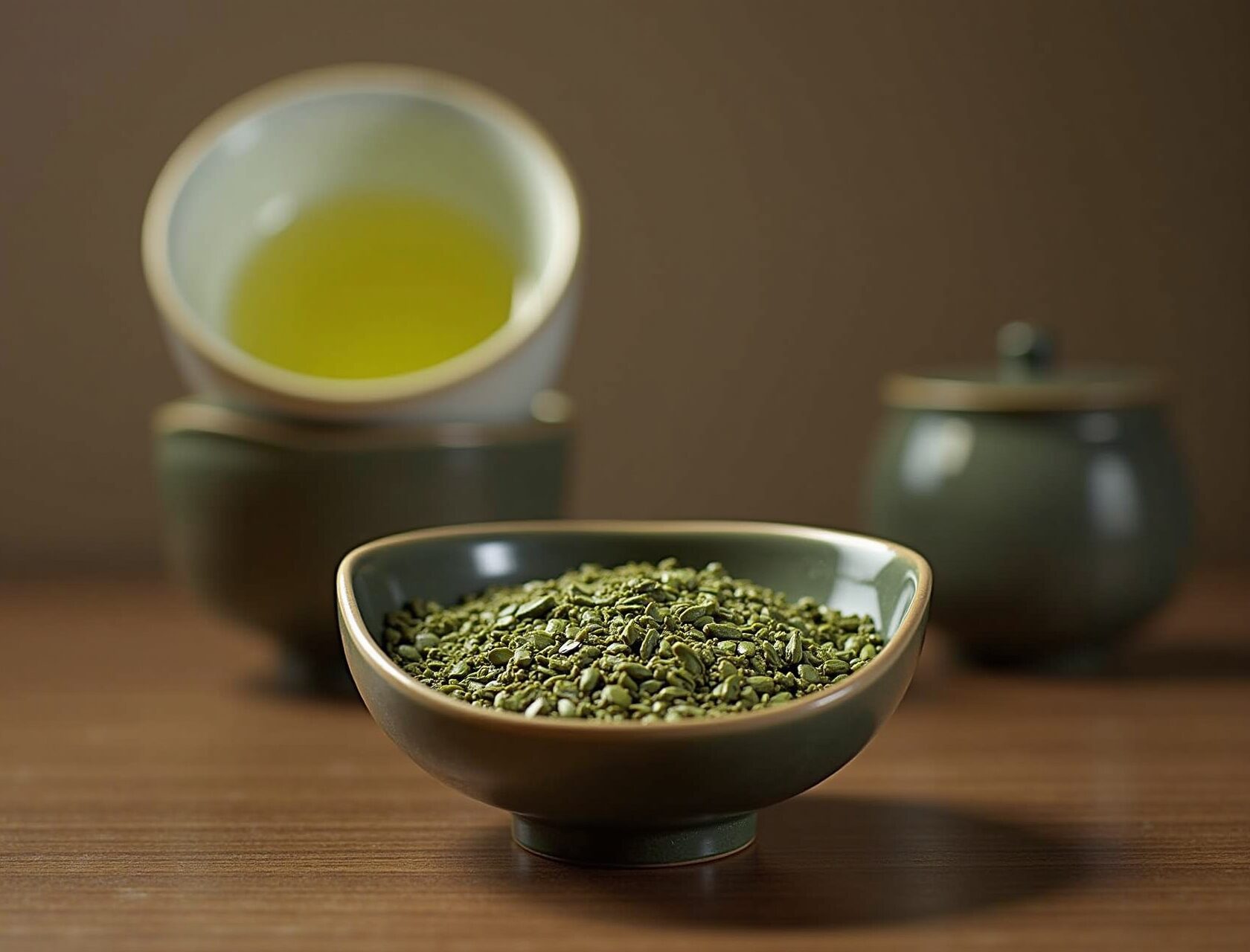
The rice itself undergoes two stages: toasting, which produces the characteristic nutty, caramelized notes, and for some kernels, popping — creating those hallmark haigome kernels. The ratio of whole toasted grains to popped kernels varies by producer and affects both flavor and aesthetics.
A popular third variant worth knowing: Matcha-iri Genmaicha (also called “Maccha Genmaicha”), which adds a dusting of matcha powder to the blend. This intensifies the green tea flavor and adds a vibrant green color to the brewed cup — without losing the toasty rice character. It's an excellent middle-ground if you want more depth than standard genmaicha but find straight matcha too intense.
Genmaicha vs Sencha: Side-by-Side Comparison
| Characteristic | Sencha | Genmaicha |
|---|---|---|
| Flavor profile | Grassy, vegetal, umami, mildly sweet | Toasty, nutty, mildly grassy, savory |
| Aroma | Fresh, marine, green | Warm, roasted grain, popcorn-like |
| Caffeine per cup | 30–50 mg | 20–30 mg |
| Color of liquor | Clear yellow-green to deep green | Golden-brown to amber-green |
| Brew temperature | 70–80°C (158–176°F) | 80–85°C (176–185°F) |
| Steep time | 45–75 seconds | 60–90 seconds |
| Leaf-to-water ratio | 2–3g per 150ml | 2–3g per 150ml |
| Best for | Morning focus, food pairing, tea ceremony | Afternoon, evening, meals, beginners |
| Stomach sensitivity | Can be astringent on empty stomach | Gentler — rice buffers acidity |
| Price range | $15–$80+ per 100g (quality varies widely) | $10–$50 per 100g |
| Re-steep potential | 2–3 infusions | 2–3 infusions |
Flavor Deep Dive
Sencha's Flavor Profile
Sencha is defined by what Japanese tasters call umami — that fifth savory taste that comes from the amino acid L-theanine concentrated in the young, spring-picked leaves. Learn more in our in-depth comparison of how this contrasts with genmaicha.
The astringency you sometimes feel on the back of your palate comes from catechins, primarily EGCG. In well-brewed sencha, this astringency is a pleasant counterpoint to the sweetness — a brisk finish rather than a puckering one. Over-extract it with too-hot water or too long a steep, and you'll know: the bitterness overwhelms everything.
High-grade, early-harvest sencha can taste almost like liquid peas — intensely vegetal, almost savory enough to sip like a soup. Lower-grade or late-harvest sencha leans more toward a lighter, slightly woodsy cup.
Genmaicha's Flavor Profile
Genmaicha is defined by contrast: the green tea brings grassy freshness and a whisper of umami, while the roasted rice delivers warmth, nuttiness, and a toasted-grain sweetness. The interplay between these two is what makes genmaicha compelling.
The “popcorn tea” comparison is apt but incomplete. The flavor is more akin to fresh popcorn that's been lightly salted and then steeped in green tea — nutty and warm on the front palate, softly vegetal on the finish. The roasted rice notes come from Maillard reaction compounds produced during roasting, the same chemistry behind coffee and toasted bread.
Genmaicha made with a sencha base will have a more complex, layered flavor than bancha-based versions. If you find standard genmaicha too one-dimensional, look for “sencha genmaicha” or simply check the ingredient list.
Caffeine Comparison
This is one of the most practically important differences between the two teas.
Sencha delivers approximately 30–50 mg of caffeine per cup (150–200ml). Genmaicha contains roughly 20–30 mg per cup — about 40% less, because the rice replaces a significant portion of the tea leaves in each scoop. The fewer tea leaves, the less caffeine per gram of blend.
Both teas contain L-theanine alongside their caffeine. L-theanine is the amino acid behind green tea's signature umami sweetness, and it gives both teas a smooth, rounded character in the cup.
Practically speaking:
- Sensitive to caffeine? Genmaicha is your tea for afternoons and evenings
- Want a morning energy bump? Sencha's higher caffeine serves that purpose better
- Caffeine-free household members? Neither is entirely caffeine-free — hojicha (roasted green tea) is the lower-caffeine option at 15–25 mg, or you'd need a true herbal tea
Character in the Cup
Sencha and genmaicha drink quite differently, and the difference comes down to the rice. Straight sencha delivers an undiluted green tea cup — brisk, grassy, and umami-forward, with a clean astringent edge.
Genmaicha softens that profile. The toasted brown rice rounds out the cup with a warm, nutty sweetness and a starchy smoothness that mellows the green tea's sharper notes. Many drinkers find genmaicha the easier, cozier sip — especially first thing in the morning or with a meal — while sencha rewards those who want the green tea character front and center.
First-flush sencha is especially prized because it carries the most L-theanine, the amino acid responsible for green tea's prized umami sweetness. In genmaicha, the rice dilutes the leaf content per gram, so the green tea notes sit further back behind the toasty rice.
Brewing Guide: How to Make Each Tea
| Parameter | Sencha | Genmaicha |
|---|---|---|
| Water temperature | 70–80°C (158–176°F) | 80–85°C (176–185°F) |
| Steep time | 45–75 seconds | 60–90 seconds |
| Leaf ratio | 2–3g per 150ml water | 2–3g per 150ml water |
| Vessel | Kyusu or glass teapot | Kyusu, glass, or standard teapot |
| Re-steeps | 2–3 times (shorter steeps each time) | 2–3 times (add 10–15 seconds each time) |
| Cold brew option? | Yes — 3–5 hours in refrigerator | Yes — 3 hours minimum |
| Common mistake | Water too hot, over-extracted, bitter | Under-extracted, weak toasty flavor |
Sencha brewing note: Temperature is the critical variable. Dropping from 90°C to 75°C significantly reduces bitterness and brings out the sweet, umami character. Many beginners over-heat their water and conclude they dislike sencha — when they actually just need cooler water.
Genmaicha brewing note: Unlike sencha, genmaicha is more forgiving with temperature. The roasted rice components don't go bitter from heat the way tea catechins do. If your genmaicha tastes watery rather than nutty, try brewing slightly hotter (up to 90°C) or steeping 15–20 seconds longer.
Price and Value Comparison
Genmaicha tends to cost less than equivalent-quality sencha for a structural reason: rice is inexpensive. A blend that's 50% roasted rice costs less to produce than 100% first-flush sencha leaves. Budget genmaicha (bancha-based) can run $10–$20 per 100g at a reasonable quality level.
Sencha quality spans a much wider range. Entry-level sencha from commodity producers is similarly priced, but high-grade single-origin or single-cultivar sencha from Uji or Shizuoka can reach $60–$80+ per 100g. The difference in cup quality between budget and premium sencha is enormous — arguably more pronounced than in genmaicha, where the rice masks some of the tea leaf variability.
For value at the mid-range ($20–$40 per 100g): a sencha-based genmaicha from a quality Japanese producer will consistently outperform a budget sencha. If you're exploring Japanese tea without committing significant budget, this is a smart entry point.
Which Should You Choose? A Decision Guide
| Your situation | Choose |
|---|---|
| You want a brisk morning cup | Sencha — higher caffeine, bright umami flavor |
| You're caffeine-sensitive or brewing after 2pm | Genmaicha — 40% less caffeine |
| You want the most “authentically Japanese green tea” flavor | Sencha — the classic profile |
| You're new to Japanese tea and find green tea grassy or bitter | Genmaicha — warmer, more approachable |
| You have a sensitive stomach or drink tea on an empty stomach | Genmaicha — gentler on digestion |
| You want to pair with savory food (sushi, grilled fish) | Sencha — cuts through fat, cleanses palate |
| You want to pair with rice dishes, soups, or lighter meals | Genmaicha — complementary toasty notes |
| You want the most intense, undiluted green tea flavor | Sencha — pure leaf, no rice dilution |
| You're buying for a wide age range (including children or elderly) | Genmaicha — lower caffeine, gentler character |
| You want the most forgiving brew (harder to over-extract) | Genmaicha — more temperature-tolerant |
| Budget matters and you want consistent quality | Genmaicha — more value at mid-price tier |
| You're building a tea collection and want one of each | Both — they serve different moments |
Can You Mix Genmaicha and Sencha?
Yes — and it's actually quite good. Blending straight sencha into a genmaicha blend is a way to adjust the caffeine level upward, intensify the vegetal character, and create something between the two profiles. A simple ratio to experiment with: 60% genmaicha to 40% sencha. This preserves the toasty warmth while adding the brisk, grassy sencha notes more prominently.
This is also what Matcha-iri Genmaicha effectively does — adding powdered matcha to genmaicha to boost green tea intensity without losing the toasty rice foundation. If you like both teas, it's worth keeping a small bag of each and blending to your taste.
Regional Variations Worth Knowing
Not all genmaicha is the same, and the region of origin influences the cup meaningfully.
Shizuoka genmaicha — Japan's largest tea-producing region accounts for roughly 40% of national output. Shizuoka sencha tends toward a brighter, grassier character with more astringency. Genmaicha from this region will have a slightly brisker green tea backbone behind the rice.
Kyoto/Uji genmaicha — Uji is the historic home of Japanese specialty tea, where cultivation methods have been refined over centuries. Genmaicha from this region often uses a higher-grade sencha base and features a more balanced, refined flavor — the roasted rice notes are still present but more integrated with the tea character. Expect to pay more.
Kagoshima genmaicha — Japan's southernmost major tea region, Kagoshima produces sencha with a mellower, sweeter character compared to Shizuoka. Genmaicha from Kagoshima tends to be rounder and less astringent.
Frequently Asked Questions
Is genmaicha just green tea with rice in it?
Yes, essentially — genmaicha is a blend of green tea leaves (traditionally bancha, sometimes sencha or even gyokuro for premium versions) and roasted brown rice. The rice is typically present at a 50/50 ratio with the tea leaves, though premium blends may use a higher tea-to-rice ratio.
Does genmaicha have less caffeine than sencha?
Yes. Genmaicha contains roughly 20–30mg of caffeine per cup compared to sencha's 30–50mg. The difference comes from the rice displacing a portion of the tea leaves in each scoop — fewer leaves mean less caffeine per gram of blend.
Why does genmaicha taste like popcorn?
During the roasting process, some brown rice kernels pop open in the same way corn kernels pop into popcorn — through steam pressure and heat. These bloomed kernels (called haigome) release starchy, caramelized compounds that give the tea its distinctive warm, popcorn-like aroma. It's Maillard reaction chemistry, the same process behind coffee roasting and toast.
Which tea is better for beginners?
Genmaicha. The roasted rice softens the grassy, vegetal notes that new green tea drinkers often find off-putting. It's warmer, more approachable, and harder to over-brew into bitterness. Once you enjoy genmaicha, sencha's more assertive character makes more sense as the next step.
Is genmaicha a good morning tea before food?
Many drinkers reach for genmaicha first thing in the morning. The toasted rice gives the cup a soft, mellow, starchy roundness that makes it feel cozy and easy to sip before breakfast, where straight sencha can taste sharper and more astringent.
What is matcha genmaicha?
Matcha-iri Genmaicha (or “Maccha Genmaicha”) is genmaicha with added matcha powder blended in. It produces a more vibrant green-tinged cup that combines the toasty rice notes of genmaicha with the richer, creamier flavor of matcha. It's more complex than standard genmaicha, with higher catechin content, and makes an excellent daily tea.
What food pairs well with each tea?
Sencha pairs beautifully with sushi, sashimi, grilled fish, and light Japanese cuisine — its grassy astringency cuts through oils and cleanses the palate. Genmaicha pairs well with heartier food: rice dishes, miso soup, grilled vegetables, or simply as a meal tea. The toasty notes complement warm, savory foods naturally.
How many times can I re-steep each tea?
Both genmaicha and sencha can typically be steeped 2–3 times from the same leaves. For each subsequent steep, increase the water temperature by 5°C and add 15–30 seconds to the steep time. Sencha's second steep often reveals sweeter, more delicate notes than the first. Genmaicha‘s rice contributes less flavor in later steeps, so the green tea character becomes more prominent by the third infusion.
Which tea should I pick day to day?
It comes down to the cup you want. Sencha gives you the full, undiluted green tea experience — brisk, grassy, umami-rich. Genmaicha trades some of that intensity for the warm, toasty, cereal-like comfort of roasted rice, and is the more forgiving, all-day cup. Many tea drinkers simply keep both and choose by mood and meal.
Which is more traditional in Japan?
Sencha is more central to Japanese tea culture and is served at virtually every formal and informal occasion. Genmaicha has historical roots going back centuries, but it was long considered a lower-class tea. Today both are enjoyed widely, though sencha still holds the more prestigious position in ceremonial contexts.