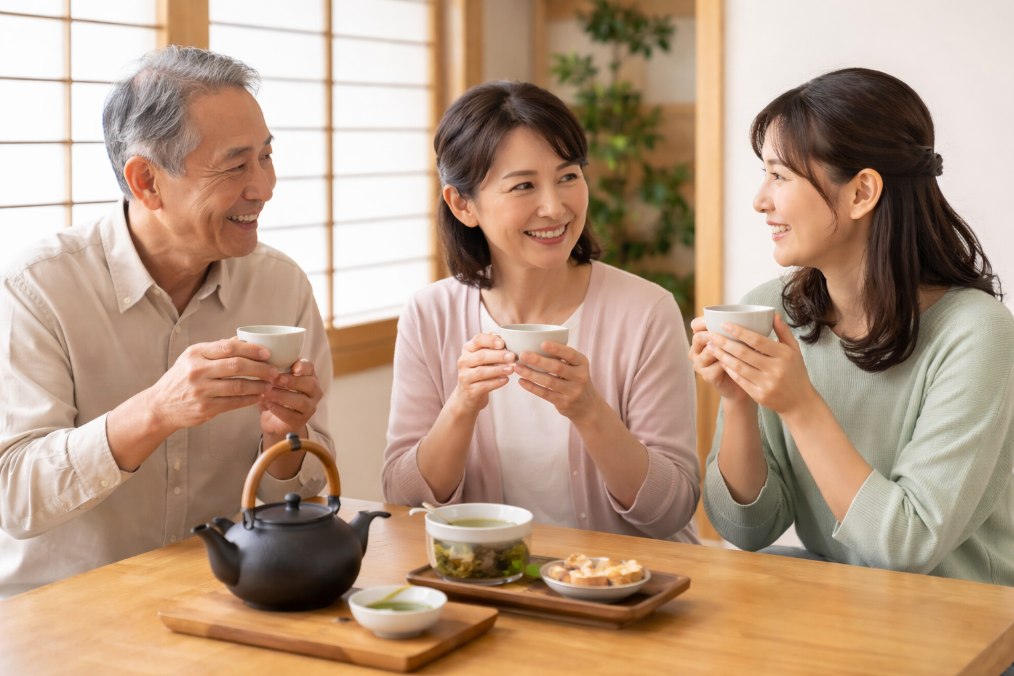
7 Easy Steps to Overcome Bitterness in Japanese Tea
Are you tired of sipping on a cup of Japanese tea only to be met with an unpleasant bitterness that lingers on your taste buds? Fear not, as there are 7 easy steps that can help you overcome this bitterness and experience the true flavors and elegance of Japanese tea. For more, see our guide on improve your whisking technique.
Last updated: April 2026
- Shade-grown teas like gyokuro are naturally sweeter and less bitter than standard sencha
- Lower water temperatures (70-80°C) and shorter steeping times (1-2 minutes) minimize bitterness
- Loose leaf tea from reputable sources preserves natural flavors better than tea bags
- Proper storage in cool, airtight containers maintains tea freshness and prevents flavor degradation
- According to international tea standards, precise brewing parameters are key to balanced flavor extraction
From understanding the different tea varieties to exploring traditional Japanese tea ceremonies, this discussion will provide you with valuable insights and practical tips to enhance your tea-drinking experience.
So, grab your teapot and get ready to embark on a journey of discovering the secrets to a perfectly balanced and delightful cup of Japanese tea.
What Are the Different Japanese Tea Varieties?
The visual below illustrates the full spectrum of Japanese tea varieties, from sweet shade-grown gyokuro to earthy roasted hojicha.
If you're new to Japanese green tea, understanding how to avoid bitterness starts with knowing what to expect—and that's where a first-time guide can be incredibly helpful. Different Japanese tea varieties have dramatically different bitterness levels—shade-grown varieties like gyokuro are naturally sweeter, while roasted teas like hojicha are milder. By familiarizing yourself with these differences, you can make more informed choices and enjoy a smoother, more satisfying tea experience.
| Tea Variety | Flavor Profile | Bitterness Level | Best for… |
|---|---|---|---|
| Sencha | Refreshing, grassy with slight bitterness | Medium | Daily drinking, balanced flavor seekers |
| Gyokuro | Sweet, umami-rich, delicate | Low (shade-grown) | Special occasions, premium tea experiences |
| Genmaicha | Nutty, toasty, grain-forward | Low | Bitterness-averse drinkers, afternoon/evening |
| Hojicha | Smoky, caramel, earthy | Very Low | Evening drinking, caffeine-sensitive drinkers |
| Kabusecha | Balanced between sencha and gyokuro | Low-Medium | Those seeking sweetness without premium price |
Firstly, let's talk about sencha. This is the most popular and widely consumed type of Japanese green tea. It has a refreshing and grassy flavor, with a hint of bitterness. Best for: everyday drinking and those seeking a balanced, traditional green tea experience.
If you prefer a mellower taste, you can opt for the gyokuro variety. Gyokuro is grown under shade for 3 weeks or more before harvest, resulting in a sweeter and less bitter flavor profile. Shading increases theanine content 2–3 times higher than unshaded sencha, which contributes to the characteristic sweetness and umami character.[Ashihara, 2015] Per JAS/MAFF standards, kabusecha is shaded 1–2 weeks while gyokuro requires 3 or more weeks, placing gyokuro at the pinnacle of shaded tea sweetness.[JAS/MAFF, 2024] Best for: special occasions and premium tea experiences.
If you find bitterness off-putting, genmaicha might be the perfect choice for you. This tea is made from a blend of sencha and roasted brown rice, giving it a nutty and toasty flavor that balances out any bitterness. Originally developed as a way to stretch expensive tea with affordable roasted grain, genmaicha is now valued for its distinctive flavor and lower caffeine content (Heiss & Heiss, 2007).[Heiss & Heiss, 2007] Best for: bitterness-averse drinkers and afternoon tea. For more, see our guide on roasted tea aromas.
For those looking for a more robust and earthy taste, hojicha is the way to go. This roasted green tea has a smoky aroma and a mild, caramel-like flavor. The roasting process causes caffeine sublimation, reducing caffeine content by approximately 60–70% compared to unroasted green tea, making it an excellent option for those sensitive to stimulants. Best for: evening drinking and caffeine-sensitive individuals.
Understanding the different varieties of Japanese tea empowers you to choose the one that suits your taste preferences. So go ahead, explore the world of Japanese tea and take control of your tea-drinking experience.
How Does Brewing Time Affect Bitterness in Japanese Tea?
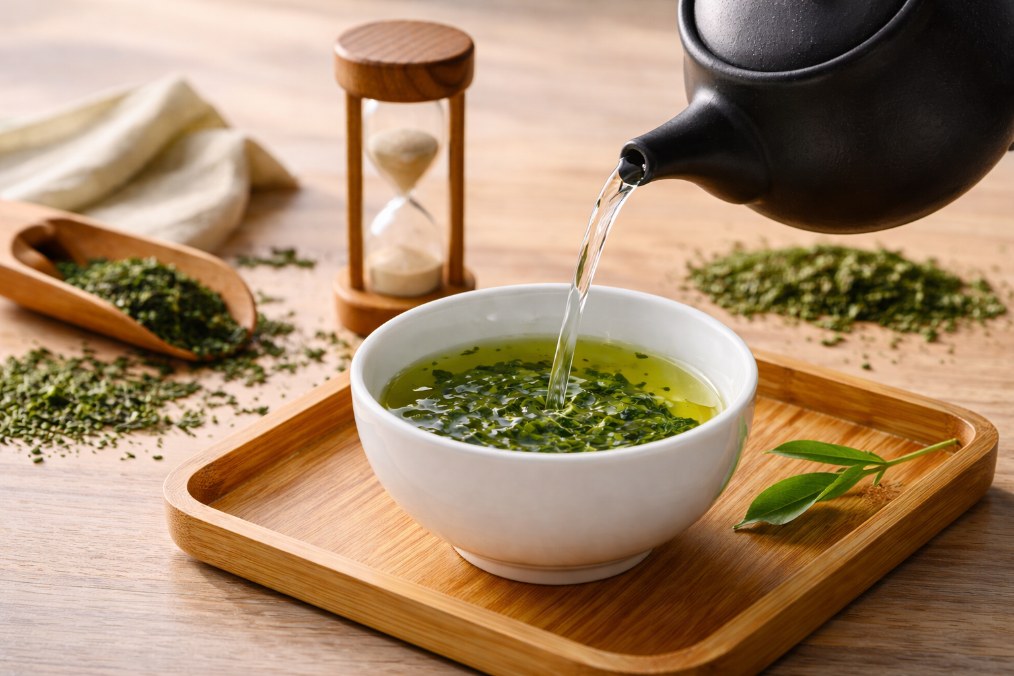
Shorter brewing times are the key to minimizing bitterness—most Japanese green teas should steep for only 1-3 minutes to extract desirable flavors without excess tannins. As someone who desires control over your tea experience, it's important to know that brewing time plays a crucial role in achieving the perfect cup of tea.
To begin, let's focus on green tea. For a milder and less bitter taste, steep it for no more than 2 minutes. If you prefer a stronger flavor, you can extend the brewing time to a maximum of 3 minutes. Remember, longer brewing times can result in a more bitter taste, so adjust accordingly based on your personal preference.
Moving on to sencha, one of the most popular Japanese teas, it's best to keep the brewing time between 1 and 2 minutes. This will ensure a balanced and refreshing flavor without overwhelming bitterness.
For gyokuro, a high-quality shade-grown tea, a shorter brewing time of around 1 minute is recommended to bring out its delicate and umami-rich taste.
Lastly, for matcha, a powdered green tea, brewing time isn't a factor as it's whisked directly into hot water. Instead, focus on achieving the right consistency and frothiness when preparing your matcha. Best for: ceremonial experiences and frothy beverages. For more, see our guide on frothing technique.
What Water Temperature Is Best for Brewing Japanese Tea?
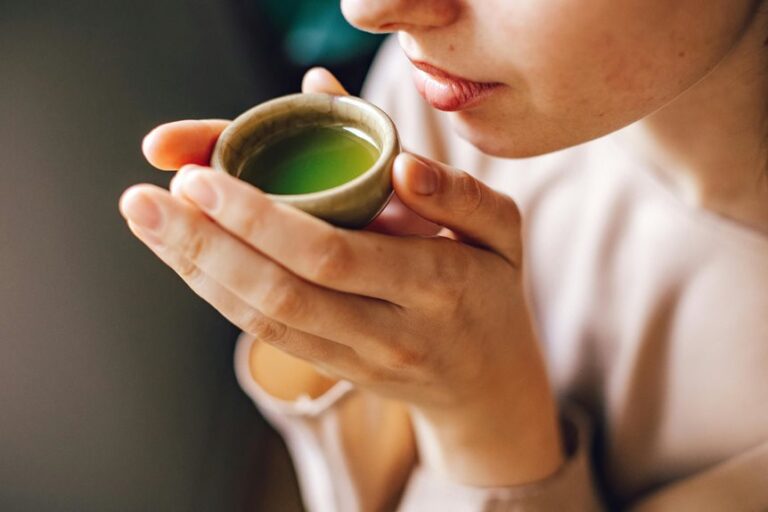
As shown in the following image, controlling the water pour temperature is one of the most direct techniques for managing bitterness in Japanese green tea.
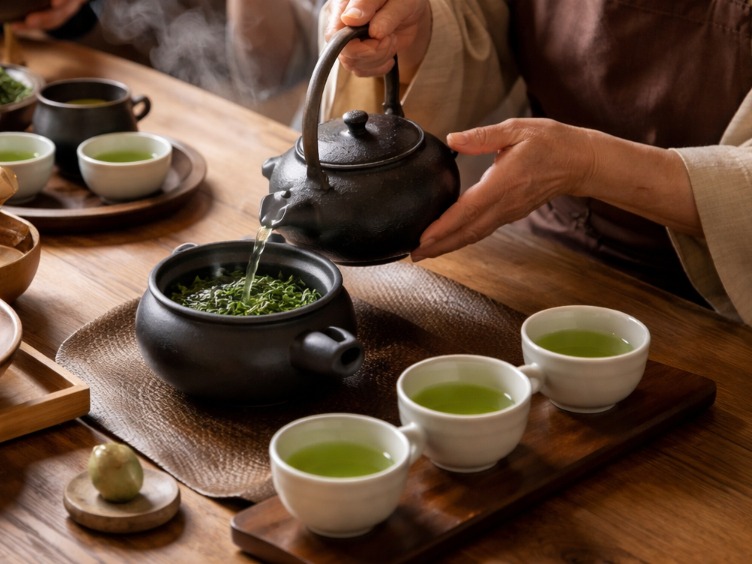
Lower water temperatures (70-80°C) are essential for reducing bitterness—boiling water extracts excessive tannins that create harsh, astringent flavors. Controlling the water temperature is crucial in making the perfect cup of tea.
Start by bringing the water to a boil and then let it cool for a few minutes. This will give you a temperature of around 175°F (80°C), which is ideal for delicate green teas like sencha. Research confirms that 70–80°C provides optimal flavor balance for green tea while minimizing astringency.[Komes et al., 2010] If you prefer a stronger flavor, try using water at 185°F (85°C) for a slightly longer brewing time.
For more robust teas like hojicha or genmaicha, hotter water at 195°F (90°C) can bring out their unique flavors. Don't be afraid to adjust the temperature according to your taste preferences.
Keep in mind that using boiling water can result in bitter and astringent tea. By experimenting with water temperatures, you have the power to control the taste of your Japanese tea, ensuring a delightful and satisfying drinking experience every time.
How Do You Choose the Right Tea Leaves?
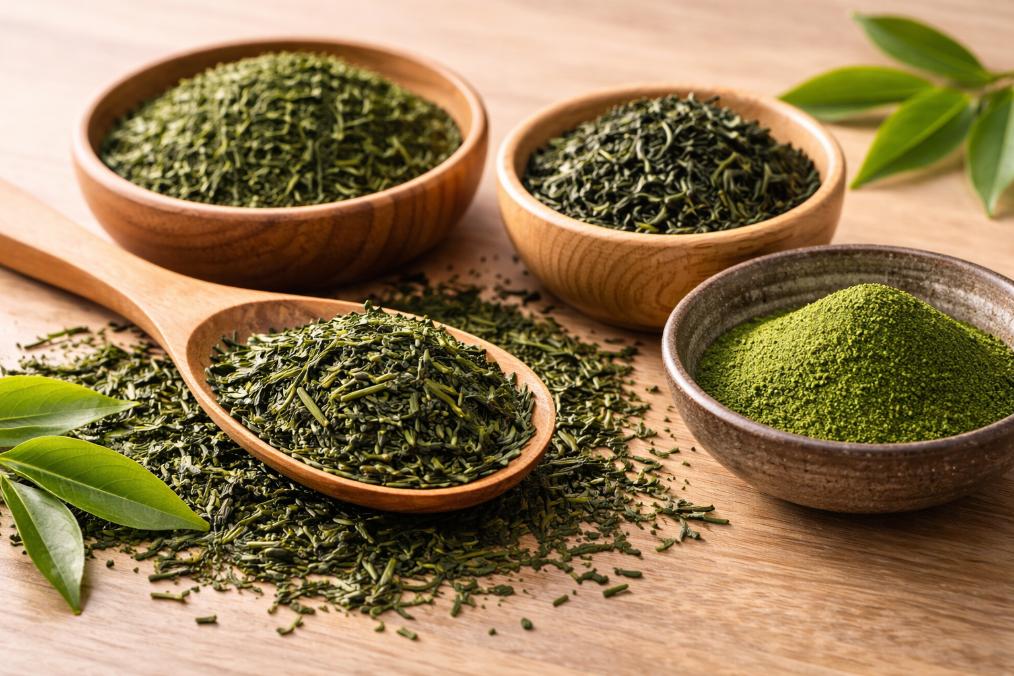
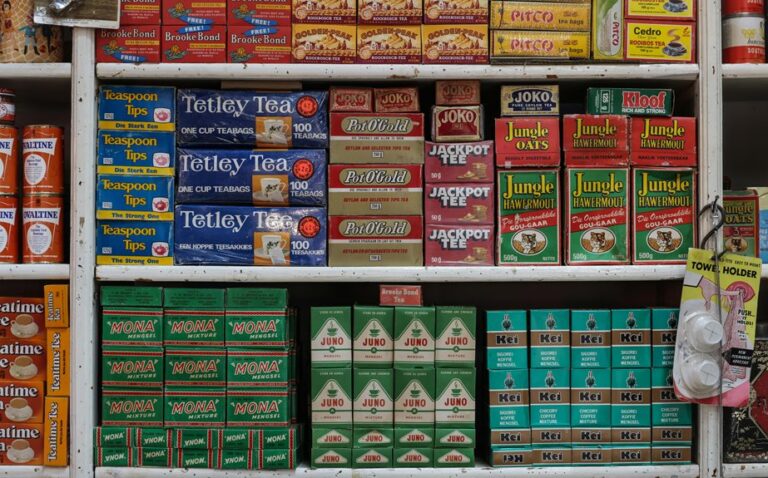
Premium loose leaf tea preserves natural flavors and aromas far better than tea bags, which often contain low-quality leaf fragments and dust. When it comes to choosing tea leaves, it's important to have control over the quality and freshness. Opt for loose leaf tea instead of tea bags as they tend to contain lower-quality leaves. Loose leaf tea preserves the tea's natural flavors and aromas, giving you a more satisfying experience.
For a milder and less bitter taste, consider selecting green tea leaves. Green tea is known for its delicate and grassy flavor profile. If you prefer a more robust and full-bodied flavor, black tea leaves might be your best choice. Black tea has a stronger taste and is perfect for those who desire a bolder tea experience. Best for: robust tea drinkers seeking deeper flavors.
Additionally, pay attention to the origin of the tea leaves. Different regions produce teas with distinct characteristics. Japanese tea leaves, such as sencha or matcha, are renowned for their vibrant green color and umami taste. Shizuoka Prefecture produces approximately 40% of Japan's tea supply and is recognized for high-quality sencha and gyokuro.[Japan Tea Central Association, 2024] Chinese tea leaves, on the other hand, offer a diverse range of flavors, from floral and earthy to smoky and fruity. Best for: comparative exploration of tea regions and flavor traditions.
Why Should You Use Fresh and Filtered Water for Tea?
Fresh, filtered water is essential because tap water impurities and minerals can mask delicate tea flavors and add unwanted tastes. When it comes to preparing tea, the quality of water you use plays a crucial role.
Using fresh and filtered water will guarantee a clean and pure taste, allowing you to fully enjoy the delicate flavors of your Japanese tea. Fresh water refers to water that has been recently drawn from a clean source, such as a tap or a bottled water. It's essential to avoid using water that has been sitting for a long time, as it can develop a stale taste that will affect the overall flavor of your tea.
By using fresh water, you can ensure that your tea will have a vibrant and refreshing taste. In addition to freshness, using filtered water is equally important. Tap water often contains impurities such as chlorine and minerals, which can alter the taste of your tea.
Mindful Storage and Preservation
Proper storage in airtight, opaque containers in cool conditions (20-25°C) preserves tea freshness and prevents flavor degradation for up to one year post-harvest. To ensure the longevity and quality of your Japanese tea, mindful storage and preservation are essential. Properly storing your tea leaves will help maintain their freshness, aroma, and flavor, ensuring a delightful tea-drinking experience every time.
First and foremost, make sure to store your tea in an airtight container. This will protect it from exposure to air, moisture, and other external factors that can degrade its quality. Choose a container that's opaque to prevent light from reaching the tea, as sunlight can cause it to lose its flavor and aroma.
Next, find a cool and dark place to store your tea. Avoid areas that are prone to temperature fluctuations, such as near the stove or refrigerator. Ideally, the temperature should be around 68 to 77 degrees Fahrenheit (20 to 25 degrees Celsius). Additionally, keep your tea away from strong odors, as it can easily absorb them.
When it comes to preservation, remember to use your tea while it's still fresh. Japanese tea is best consumed within one year of its harvest, as its flavor and aroma can start to deteriorate over time. To keep track of the freshness, consider labeling your tea container with the date of purchase or harvest.
What Can Traditional Japanese Tea Ceremonies Teach You About Brewing?
The tea ceremony pictured here demonstrates the precise, mindful preparation methods that produce a perfectly balanced, low-bitterness cup of matcha.
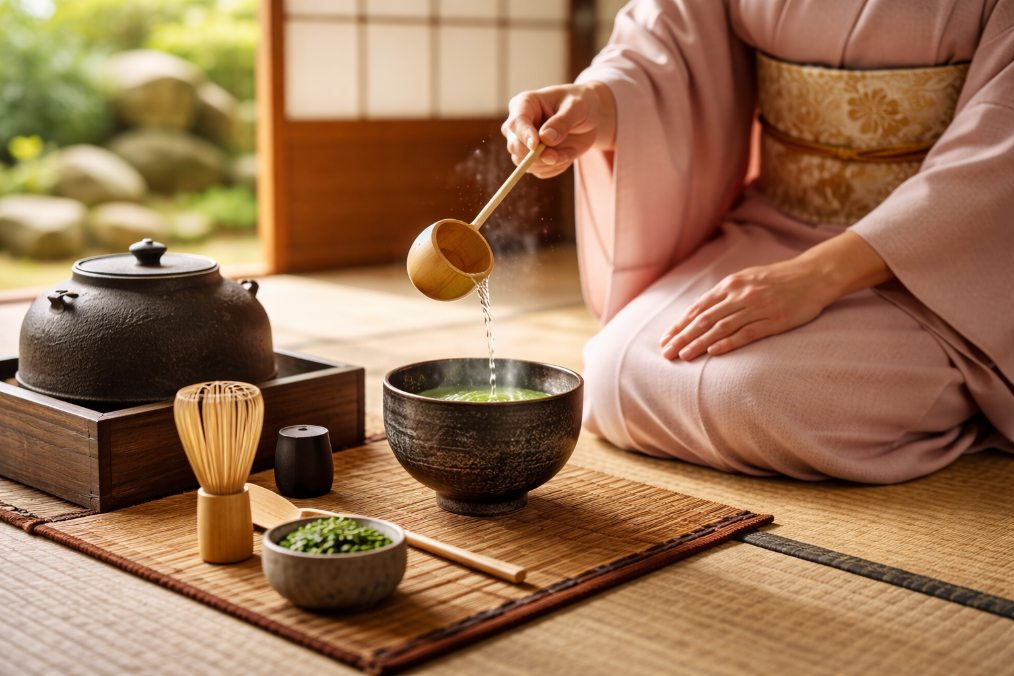
Traditional Japanese tea ceremonies (chanoyu/sado) embody precise brewing techniques refined over centuries—attending a ceremony teaches you meticulous preparation methods that naturally produce balanced, less bitter tea. Immerse yourself in the rich traditions of Japanese culture by exploring the captivating world of traditional Japanese tea ceremonies. These ceremonies have been practiced for centuries and offer a unique insight into the art of tea preparation and consumption. By delving into this ancient practice, you can gain a deeper understanding of Japanese customs and etiquette while experiencing a sense of tranquility and mindfulness.
During a traditional Japanese tea ceremony, every action is meticulously performed with precision and grace. From the careful selection of the tea leaves to the precise pouring of the hot water, each step is carried out with intention and attention to detail. International tea standards codify the precise brewing parameters that tea professionals have refined—specifying water temperature, steep time, and leaf-to-water ratios for optimal flavor extraction.[ISO 3103, 2019] By participating in a tea ceremony, you can learn to appreciate the beauty of simplicity and the importance of mindfulness in everyday life.
Tea ceremonies are often conducted in specially designed tea rooms, known as chashitsu, which are designed to create a serene and harmonious environment. These rooms are adorned with traditional Japanese art and are meticulously arranged to create a sense of peace and tranquility.
Attending a tea ceremony allows you to witness the host's mastery of the art and immerse yourself in the soothing ambiance of the tea room. By observing the intricate rituals and graceful movements of the host, you can gain a deeper appreciation for the meticulous preparation and presentation of tea.
Conclusion
In conclusion, by following these 7 easy steps, you can overcome bitterness in Japanese tea.
Understanding the different tea varieties, adjusting brewing time and water temperatures, choosing the right tea leaves, using fresh and filtered water, practicing mindful storage and preservation, and exploring traditional Japanese tea ceremonies will all contribute to a more enjoyable and less bitter tea experience. For more, see our guide on tea brewing tools. For more, see our guide on ceramic identification.
However, it's important to note that some people actually enjoy the slight bitterness in Japanese tea as it adds depth and complexity to the flavor profile.
If you have any thoughts or experiences with overcoming bitterness in Japanese tea, we'd love to hear from you in the comments section below. So go ahead and brew yourself a delicious cup of Japanese tea and join the conversation!
Frequently Asked Questions
What Japanese tea variety is least bitter?
Gyokuro and kabusecha are naturally the least bitter Japanese teas because they're shade-grown, which increases sweet-tasting theanine compounds. Shading raises theanine levels 2–3 times higher than unshaded sencha (Ashihara, 2015), directly reducing perceived bitterness. Hojicha (roasted tea) is also very mild due to the roasting process reducing harsh tannins. Genmaicha, a blend with roasted rice, is another excellent low-bitterness option.
Why does shorter brewing time reduce bitterness?
Tannins and catechins—compounds that create astringent, bitter flavors—extract more fully with longer steeping. By limiting green tea to 1-2 minutes and using lower water temperatures (70-80°C), you extract desirable flavors while minimizing excessive tannin extraction that causes harshness. Research confirms that 70–80°C is the optimal range for green tea flavor balance (Komes et al., 2010).
What's the difference between sencha and gyokuro?
Both are Japanese green teas, but gyokuro is shade-grown for 3 or more weeks before harvest per JAS/MAFF standards (2024), while sencha receives full sunlight. Shading dramatically increases theanine content (2–3 times higher in gyokuro), making it sweeter and less bitter. Gyokuro is also more expensive and considered a premium tea.
How long can I store Japanese tea?
Japanese tea is best consumed within one year of harvest for optimal flavor and aroma. Store it in an airtight, opaque container in a cool place (20–25°C / 68–77°F) away from light, moisture, and strong odors. Proper storage can extend freshness throughout this window.
Does water temperature really affect tea bitterness?
Yes, significantly. Boiling water extracts excessive tannins and causes astringency. Research shows 70–80°C (175°F) is optimal for green tea, producing balanced flavor without harshness (Komes et al., 2010, Food Research International). Hotter water (90°C+) works better for roasted teas like hojicha and genmaicha.