Bancha: Japan’s Everyday Green Tea — Flavor, Culture & Brewing
Bancha (番茶) is the tea that most of Japan actually drinks. Not the ceremonial gyokuro, not the prized first-flush sencha — bancha, the late-harvest everyday tea that sits on every kitchen counter from Hokkaido to Okinawa. It's inexpensive, forgiving to brew, mellow in the cup, and woven into daily Japanese life more deeply than almost any other tea. We cover why bancha tastes different depending on the season in detail in a separate guide.
The word ban in bancha means “late” — a reference to its harvest timing, typically the third or fourth pick of the season, after the prized first and second flushes have been collected for sencha and gyokuro. By the time bancha leaves are harvested in late summer or autumn, they're older, larger, and tougher. You can try this for yourself with our organic bancha tea. The result is a tea that is lower in caffeine, lower in bitterness, and gentle and mellow in flavor. What looks like a downgrade on paper is actually a different kind of excellence.
What Is Bancha? The Everyday Japanese Green Tea
Bancha comes from the same plant as every Japanese green tea — Camellia sinensis — processed through the same basic method of steaming, rolling, and drying. What makes it bancha is timing and leaf age. While sencha uses young spring sprouts (ichibancha or nibancha), bancha harvests the mature leaves that remain on the plant later in the growing cycle. These leaves have more time in the sun, more developed cell walls, and a different chemical composition from their younger counterparts. Those bigger, sturdier leaves also give bancha its distinctive look — coarser and more open than the fine needles of sencha.
The older leaf biology matters for flavor. Mature leaves contain lower concentrations of amino acids (the source of umami sweetness in shaded teas) and catechins (the bitter compounds), but they make up for it with a different character in the cup: a mild, earthy, slightly woody brew with very little astringency and a gentle, mineral finish that's comfortable to drink in large quantities throughout the day.
Bancha Varieties Worth Knowing
Standard Bancha (Natsubancha / summer harvest) — The most common form, harvested in summer from the third flush. Light, mellow, low caffeine.
Aki Bancha (autumn harvest) — The final harvest of the year, typically in late September or October. The most affordable grade, used heavily in institutional settings and as cooking tea. Extremely low caffeine.
Kyobancha / Iribancha — A Kyoto regional specialty. Large, mature leaves are heavily roasted over charcoal or machine heat, producing a smoky, almost astringent-free tea with a deep amber color. Very different character from standard bancha; popular as a restaurant tea in Kyoto.
Hojicha — Technically a roasted bancha (or sencha), hojicha takes bancha‘s late-harvest leaves and applies high-heat roasting. The roasting mellows the tea further and creates the beloved caramel and smoke aromatics that have made hojicha a global phenomenon.
Genmaicha (bancha base) — The traditional, lower-cost genmaicha uses bancha as the green tea component blended with roasted rice. The mild earthiness of bancha integrates seamlessly with the rice's toasty warmth.
Bancha vs. Sencha vs. Hojicha: How They Compare
| Feature | Bancha | Sencha | Hojicha |
|---|---|---|---|
| Harvest timing | 3rd–4th flush (summer/autumn) | 1st–2nd flush (spring) | Roasted bancha or sencha |
| Caffeine per cup | 10–20 mg | 30–50 mg | 10–20 mg |
| Catechins | Lower | High | Very low (degraded by roasting) |
| Umami / sweetness | Low | High | Very low |
| Astringency | Very mild | Can be brisk | Very mild |
| Flavor | Earthy, mild, woody | Grassy, bright, vegetal | Smoky, caramel, nutty |
| Price | Lowest | Mid–high | Mid |
| Traditional place | The all-day household pot | The classic daily cup | The after-dinner cup |
The comparison reveals bancha‘s real advantage: it's not trying to be sencha. It occupies a genuinely different flavor niche — lower in catechins and umami than sencha, but mild, mellow, and affordable enough to drink all day long.
Why Bancha Is Japan's Everyday Tea
Bancha‘s appeal is honest in a way that diverges from typical green tea marketing: it's not the showpiece tea, the highest grade, or the rarest pick. What it offers instead — consistently, every day — is an approachable, affordable, mellow cup that suits a long-running daily habit. For those interested in a closer look at this everyday tea, see our in-depth overview.
1. Built for All-Day Drinking
At 10–20 mg of caffeine per cup, bancha is a light, low-caffeine tea. In Japan, it's common to drink bancha from morning through evening — a mellow companion to meals and conversation, and a relaxed alternative to a stronger morning cup.
2. Gentle, Low-Astringency Flavor
Bancha‘s late-harvest leaves are lower in tannins and catechins than first-flush teas, which means significantly less astringency in the cup. The result is a smooth, mellow brew that's easy to enjoy before, during, or after a meal — one reason it's the standard tea poured alongside food in Japanese households and restaurants alike.
3. An Affordable Daily Tea
Because bancha is made from mature, late-season leaves rather than scarce spring buds, it is the most affordable tea in the Japanese green tea family. That low price point is precisely what makes it the everyday choice — a tea Japanese households brew by the pot, several times a day, without thinking twice.
4. A Mellow, Versatile Cup
While bancha is milder than sencha, that mildness is a feature. Its quiet, earthy character doesn't compete with food, doesn't turn bitter when brewed casually, and works equally well hot or as a cold brew. It's the tea equivalent of an easygoing background note — always welcome, never demanding.
5. The Household Tea for the Whole Family
In Japan, bancha is the default household tea poured for everyone at the table. Its very low caffeine and mild, approachable flavor make it the easy choice when a single pot needs to suit a range of tastes. Kukicha (twig tea), even lower in caffeine, plays a similar everyday role.
6. A Tea Rooted in Place
Mature tea leaves have had a full growing season on the plant, and regional bancha styles reflect their terroir — the soil, climate, and roasting traditions of where they were grown. Autumn bancha (aki bancha), the last harvest of the year, often carries the deepest, most settled flavor of the season.
7. Easy to Brew, Hard to Ruin
Bancha‘s mature leaves tolerate hot water and a casual hand far better than delicate sencha. You can brew it in a mug, a pot, or a simple strainer basket and still get a pleasant cup — which is exactly why it became the tea Japan reaches for without ceremony.
Japanese Bancha Culture — Why It's on Every Table
To understand bancha‘s place in Japanese life, you need to reframe what “everyday” means in Japanese tea culture. In the West, “everyday” often implies inferior. In Japan, the everyday version of something is often the version most deeply integrated into actual life — refined through generations of practical use, not ceremonial aspiration.
Bancha is the tea of Japanese school lunches, restaurant tables, and household kettles that never quite cool down. Kyoto's Iribancha — the heavily roasted local bancha — has been the restaurant house tea for centuries, served in large ceramic cups as automatically as water.
This omnipresence reflects something real: bancha is a tea households pour at volume without fuss. The flavor stays mild, the brewing stays forgiving, and the price stays low. It's the Toyota Corolla of Japanese tea — not glamorous, but demonstrably good at what it does over the long haul.
Where Bancha is Grown
Bancha is produced throughout Japan's tea-growing regions, but the major production areas align with Japanese green tea geography generally:
- Shizuoka Prefecture — Japan's largest tea-producing region, responsible for roughly 40% of national output. Shizuoka bancha tends to be mild and approachable with a clean grassy note.
- Kyoto (Uji) — Famous for high-grade teas, but also produces the distinctive Kyobancha/Iribancha roasted variety unique to the region.
- Kagoshima — Japan's southernmost major tea region, warmer climate, producing bancha with a slightly fuller body.
- Mie Prefecture — Home to a regional bancha style (Iga area) with distinctive earthy character from local clay soils.
How to Brew Bancha
Bancha is arguably the most forgiving tea in the Japanese green tea family. Its mature leaves can withstand near-boiling water without turning harsh — unlike sencha, which punishes high heat with bitterness. This makes bancha genuinely easy to brew well.
| Parameter | Hot Brew | Large Batch (Pot) | Cold Brew (Mizudashi) |
|---|---|---|---|
| Water temperature | 85–95°C (185–203°F) | 90–95°C (194–203°F) | Cold (filtered) |
| Tea quantity | 1 tsp / 2g per 200ml | 3–4 tsp per 1 liter | 3 tbsp per 1 liter |
| Steep time | 30–60 seconds | 45–90 seconds | 4–8 hours in refrigerator |
| Re-steeps | 3–4 times | Strain and discard | Not applicable |
| Character | Earthy, mild, warm | Light and refreshing | Very sweet, almost no caffeine |
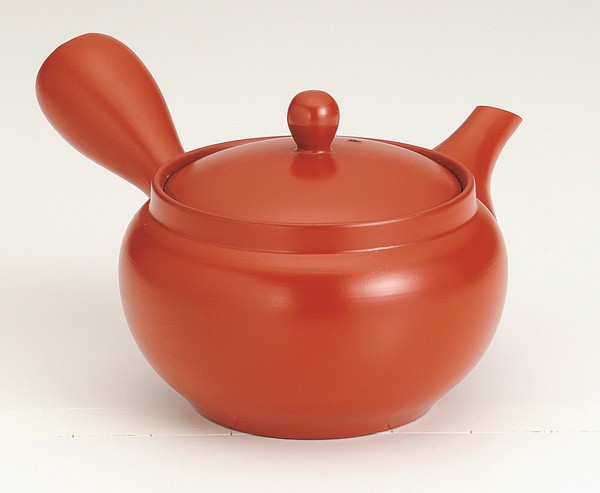
Teaware note: Unlike the delicate brewing requirements of gyokuro or fine sencha, bancha tolerates ceramic mugs, regular strainer baskets, or even simple cotton teabag pouches. A kyusu teapot is traditional, but not necessary. The Uwade kyusu (top-handle style) is particularly suited to bancha‘s higher brewing temperatures, as the arched handle stays cool even with near-boiling water.
Re-steeping: Bancha leaves are durable enough for 3–4 infusions. Each subsequent infusion can handle slightly hotter water and longer steep time. The flavor shifts from mellow and earthy early on to lighter and more mineral with later infusions — a pleasant progression.
Bancha vs. Kukicha: Quick Comparison
| Feature | Bancha | Kukicha (Twig Tea) |
|---|---|---|
| What it is | Mature late-harvest leaves | Stems, stalks, and twigs from tea plant |
| Caffeine | 10–20 mg/cup | Under 10 mg/cup (among lowest) |
| Flavor | Earthy, woody, mild | Creamy, nutty, almost buttery |
| Umami / sweetness | Low | Mild, with a creamy note |
| Everyday household use | Yes | Yes |
| Price | Low | Low–Moderate |
Shop Our Bancha Collection
We source bancha from established Japanese producers who harvest at the right time — late enough to develop bancha‘s characteristic mild profile, with the mellow, earthy character the tea is known for. Whether you're looking for an everyday household tea or a gentle, low-caffeine option, our bancha selection gives you the authentic Japanese daily tea experience. Browse our bancha collection →
Bancha as a Cooking and Pairing Tea
Bancha earns its everyday status in the kitchen as well as the cup. Its mild, earthy flavor makes it a natural cooking tea, used in dishes like ochazuke (rice with tea poured over it) and as a steeping liquid for simmered foods.
The roasted Kyoto-style versions, Kyobancha and Iribancha, are especially valued as restaurant teas because their smoky depth stands up to a full meal without overwhelming it. Poured generously and served warm, they are as much a part of the table setting as the food itself.
Bancha‘s gentle character also makes it an easy everyday swap for less interesting drinks at the table. Hot or cold-brewed, it brings a quiet, mellow flavor to a meal — one of the simplest ways to fold an authentic Japanese tea into daily cooking and dining.
Bancha Tea Brewing Mistakes to Avoid
Getting the most out of your bancha starts with proper brewing. Here are the most common mistakes and how to fix them:
- Using boiling water: While bancha is more forgiving than sencha, pouring boiling water directly onto the leaves can still extract excessive bitterness. Let your water cool to about 80-90 degrees Celsius (176-194 degrees Fahrenheit) for the best flavor balance.
- Steeping too long: Bancha brews quickly — 30 seconds to 1 minute is ideal for the first steep. Over-steeping beyond 2 minutes turns the tea astringent and masks its natural sweetness.
- Using too little leaf: A common mistake is using the same amount of leaf as you would for sencha. Bancha leaves are larger and less dense, so use a generous tablespoon (about 5 grams) per 200ml of water.
- Discarding after one steep: Bancha is excellent for multiple infusions. The second and third steeps often reveal different flavor notes — slightly sweeter and more toasty. You can get 2-3 good steeps from quality bancha leaves.
- Storing improperly: Keep your bancha in an airtight, opaque container away from heat and light. Unlike some teas that improve with age, bancha is best consumed within a few months of opening for optimal freshness.
Frequently Asked Questions About Bancha
What is bancha tea?
Bancha is Japan's everyday green tea, made from mature leaves harvested late in the season. Its mild, earthy, low-astringency flavor and very low caffeine make it the tea Japanese households brew throughout the day. It's the relaxed, affordable cup for anyone who wants a Japanese green tea without the intensity of sencha or matcha.
What does bancha tea taste like?
Bancha tastes earthy, mild, and slightly woody, with a soft, lightly toasted, almost hay-like note, a clean mineral finish, and almost no bitterness. Compared to sencha's bright grassiness, bancha is notably quieter and more approachable — the flavor equivalent of a comfortable background note rather than a featured melody. Kyobancha (the Kyoto roasted version) is smokier and more assertive. Standard bancha is the ideal choice for those who find sencha or matcha too intense.
How much caffeine is in bancha tea?
Bancha contains approximately 10–20 mg of caffeine per 8 oz cup. This is roughly one-third the caffeine of sencha and one-fifth the caffeine of a typical cup of coffee. The low caffeine is a product of harvest timing: older, more mature leaves accumulate less caffeine than young spring sprouts, making bancha a notably light, low-caffeine tea.
Is bancha an everyday tea in Japan?
Yes — Bancha is the everyday-drinking tea of the Japanese green tea family. Mild, affordable, and forgiving to brew, it is the pot that stays on the kitchen table all day in Japanese households, re-steeped through the day.
How does bancha compare to hojicha?
Bancha and hojicha share similar caffeine levels (10–20 mg per cup) and mellow, low-astringency profiles, but differ in one key way: hojicha is roasted bancha. Roasting transforms bancha‘s earthy, mild green tea character into the caramel, smoky, toasted flavor hojicha is known for. Both are excellent daily teas — bancha is the more neutral, versatile choice; hojicha is the more distinctive evening or latte option.
Is bancha better than sencha?
Neither is universally better — they serve different purposes. Sencha uses young spring leaves and delivers more intensity, umami, and a bright grassy flavor that makes it the premium daily drinker. Bancha uses mature autumn leaves and delivers lower caffeine, a milder earthy flavor, and an affordable price suited for all-day drinking. If you want maximum flavor intensity in one or two cups, sencha wins. If you want a relaxed, everyday tea habit, bancha is the better choice.
When is bancha served in Japan?
In Japan, bancha is poured with meals, sipped casually between them, and brewed by the pot as the household's all-day tea — the cup on the kitchen table from breakfast to the end of dinner.
Where does bancha come from in Japan?
Bancha is produced throughout Japan's tea regions, primarily in Shizuoka Prefecture (the country's largest tea-producing area), Kyoto (famous for Kyobancha/Iribancha), and Kagoshima. The specific character varies by region — Shizuoka bancha tends to be clean and mild, while Kyobancha is heavily roasted and distinctly smoky. Most everyday bancha sold globally comes from Shizuoka's large-scale production.