Tokoname Yaki: Japan’s Ancient Clay Pottery Tradition
Last updated: April 2026
Walk into any serious Japanese tea shop and you'll find Tokoname teapots in places of quiet prominence — not just as decorative objects, but as working tools that serious tea drinkers return to every single morning. Tokoname Yaki (常滑焼; literally “Tokoname ware”) is one of Japan's Six Ancient Kilns (Rokkoyo, 六古窯: Tokoname, Seto, Echizen, Shigaraki, Tanba, and Kasuga), a pottery tradition that has continuously produced ceramics since the late Heian period, around 1100 CE. What distinguishes Tokoname from the hundreds of other Japanese pottery towns isn't just age or history — it's geology. The Chita Peninsula sits atop iron-rich clay deposits unlike almost anything else in Japan, and that mineral character translates directly into how your tea tastes.
- KEY TAKEAWAYS
- Tokoname Yaki is one of Japan's Six Ancient Kilns (Rokkoyo), producing ceramics continuously since ~1100 CE on the iron-rich Chita Peninsula in Aichi Prefecture.
- The signature shudei (red clay) contains 7–12% iron oxide — two to three times more than standard stoneware — measurably softening astringency and enhancing umami in brewed green tea.
- Four distinct clay bodies (shudei, kokudei, yakishime, koushoku) suit different teas; each unglazed pot should be dedicated to a single tea type for best flavor development.
- Since 2007, Tokoname Yaki carries official GI protection; authentic handcrafted kyusu (side-handle teapots) start at approximately $80–120 USD.
- Correct seasoning and soap-free care allow the teapot to build a patina (yobi, 余味) over years of daily use that actively improves every subsequent brew.
This guide covers the actual science of what makes Tokoname clay different, the traditional forming and firing techniques that define the craft, how to identify authentic pieces, and which teas genuinely benefit from brewing in unglazed Tokoname ware.
What Makes Tokoname Clay Special: The Geology Behind the Teapot
Tokoname clay is exceptional because of its extraordinarily high iron oxide (Fe₂O₃) content — typically 7–12% by weight in the finest shudei clay, compared to just 2–4% in standard stoneware. That difference is visible in the fired brick-red color and measurable in how the clay interacts with water and tea compounds during brewing. Most explanations mention “iron-rich clay” and move on, but the iron content is the entire story — it explains the color, the texture, the tea chemistry, and why serious collectors specifically seek out old Tokoname pieces that have been seasoned over decades.
The clay deposits beneath the Chita Peninsula formed during the Miocene epoch, roughly 5 to 10 million years ago, when the region was a network of shallow lakes and river deltas. As organic matter and iron-bearing minerals accumulated and compacted over millions of years, they created clay strata with unusually high iron oxide concentrations — typically between 7% and 12% by weight in the finest shudei clay. For comparison, most standard stoneware clays contain 2–4% iron oxide. That difference is visible in the fired color and measurable in how the clay interacts with water and tea compounds during brewing.
The Four Clay Types of Tokoname
Tokoname potters work with four distinct clay bodies, each with different mineral compositions, firing behavior, and effects on tea:
| Clay Type | Japanese | Color | Iron Content | Firing Temp | Best For |
|---|---|---|---|---|---|
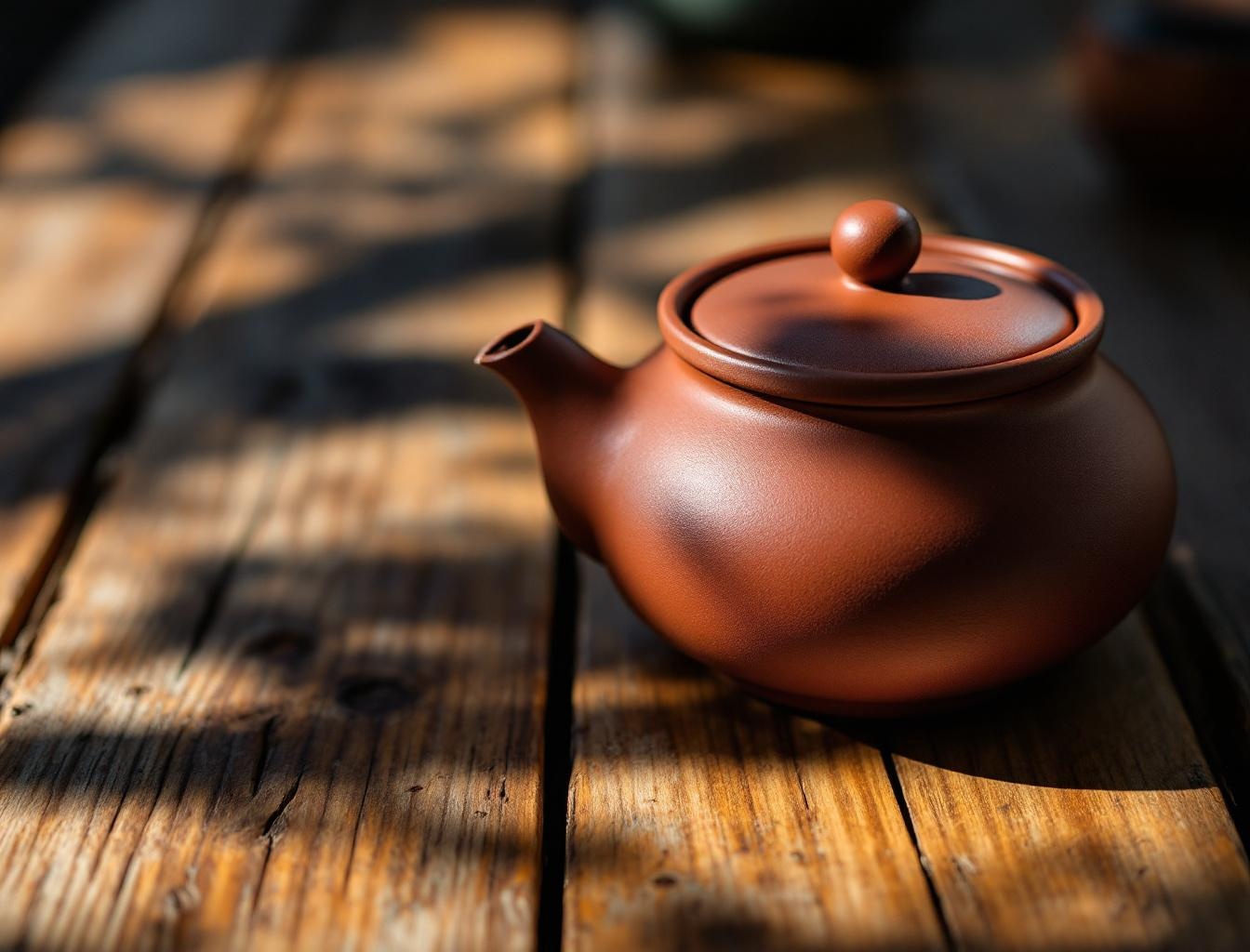
| Shudei | 朱泥 | Deep brick red | High (7–12%) | 1,000–1,100°C | Sencha, gyokuro, oolong |
| Kokudei | 黒泥 | Dark charcoal to black | Moderate, with manganese | 1,100–1,200°C | Houjicha, dark teas |
| Yakishime | 焼締め | Natural earth tones | Variable | 1,200–1,280°C | Oolongs, aged teas |
| Koushoku | 黄色 | Pale yellow-buff | Low | 1,050–1,150°C | Light greens, white tea |
How Iron Affects Your Tea
This is where things get interesting. The unglazed interior of a shudei teapot isn't just aesthetically traditional — it's chemically active during brewing. Iron ions leach very slowly from the clay into hot water, and at the concentrations involved, they have measurable effects on tea chemistry. According to Cabrera et al. (2006, Journal of the American College of Nutrition), catechin content in green tea varies significantly by processing method and variety — and these catechins are precisely the compounds most affected by iron ion interaction:
- Astringency reduction — Iron ions bind weakly to catechins and tannins, reducing the perception of bitterness without eliminating the antioxidant compounds. Gyokuro brewed in a shudei kyusu (side-handle teapot) often tastes noticeably rounder than the same tea brewed in glass.
- Umami enhancement — Theanine (the amino acid responsible for green tea's savory, umami quality) becomes more prominent as tannin astringency softens. The iron doesn't add to the umami directly; it removes what was masking it.
- Water softening — Iron can displace calcium and magnesium ions from water, subtly reducing hardness. This is especially noticeable in regions with moderately hard tap water.
- Patina development — Over hundreds of brews, tea oils and minerals deposit into the unglazed clay pores. Longtime Tokoname users describe this accumulated “memory” as adding character to every subsequent brew — a teapot seasoned over ten years of daily sencha use develops something that simply cannot be replicated by a new pot.
Kokudei clay achieves its dark color through manganese addition and reduction firing — a different atmosphere in the kiln that creates a charcoal-grey to near-black surface with its own mineral interaction profile, somewhat less aggressive than shudei and often preferred for medium-roast houjicha or aged oolongs.
What Is the History of Tokoname Yaki?
Tokoname Yaki has one of the longest continuous pottery histories in Japan, operating without interruption since approximately 1100 CE and earning its place among the Rokkoyo (六古窯) — Japan's Six Ancient Kilns alongside Seto, Echizen, Shigaraki, Tanba, and Kasuga. This long-standing tradition is deeply embedded in the culture, and for those who want to understand the full story behind these revered teapots, our in-depth guide to Tokoname teapots offers a comprehensive look into their history, craftsmanship, and significance.
Through the Heian and Kamakura periods, the kilns primarily produced storage jars, mortars, and everyday utility ceramics. The pivot toward tea culture came with the spread of the Japanese tea ceremony in the Muromachi period (1336–1573), when the demand for refined teaware created both aesthetic and technical pressure on potters.
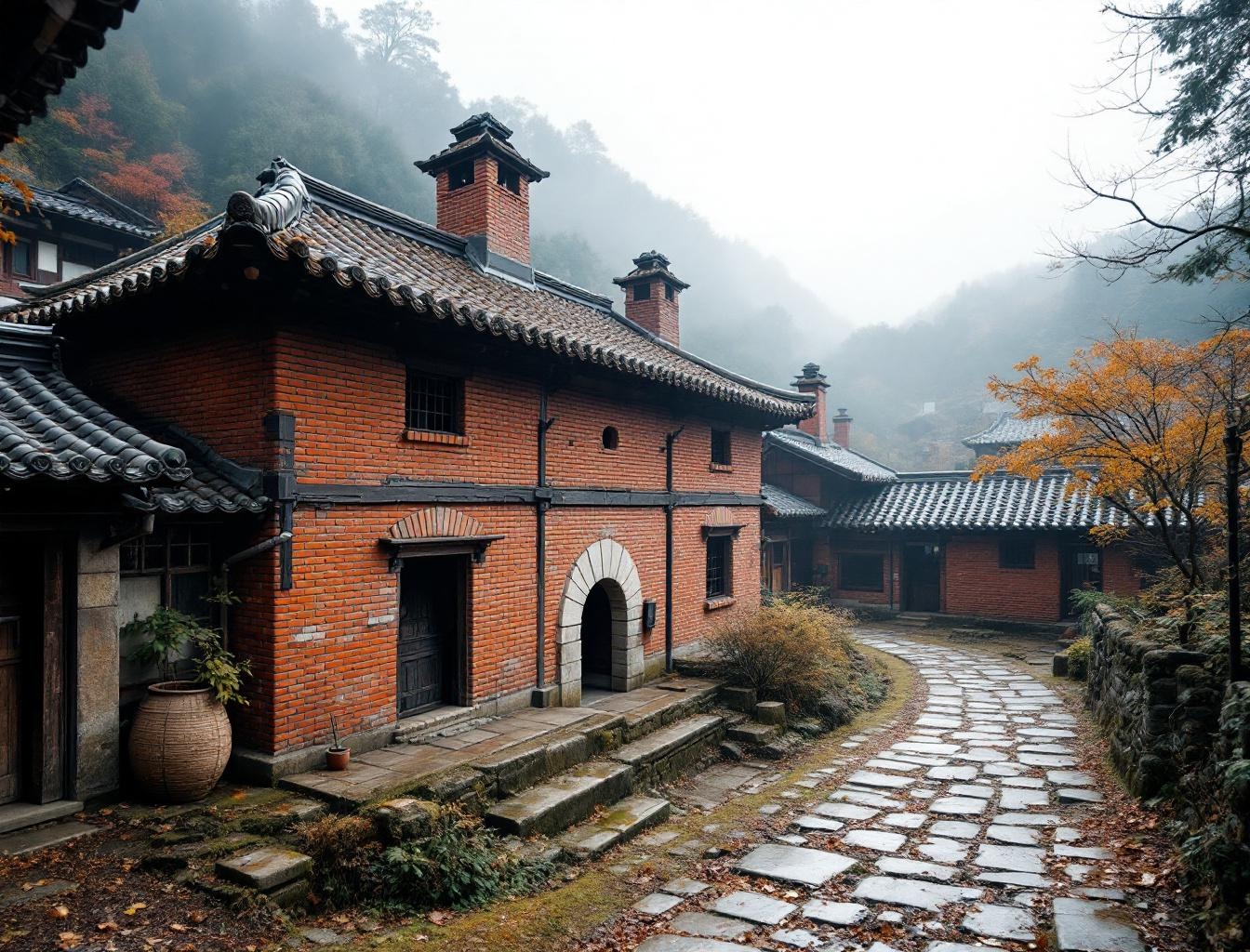
The town of Tokoname itself grew up around the pottery industry in a way that no other Japanese craft town quite matches. Walk through the Tokoname Pottery Trail today and you'll pass kiln chimneys rising above tiled streets, walls built entirely from discarded kiln saggers, and working studios operating a few meters from where pottery has been made for 900 years. Since 2007, Tokoname Yaki has carried official geographical indication (GI) protection, ensuring that only pieces made in the Tokoname region using traditional methods can carry the name.
How Are Tokoname Teapots Formed?
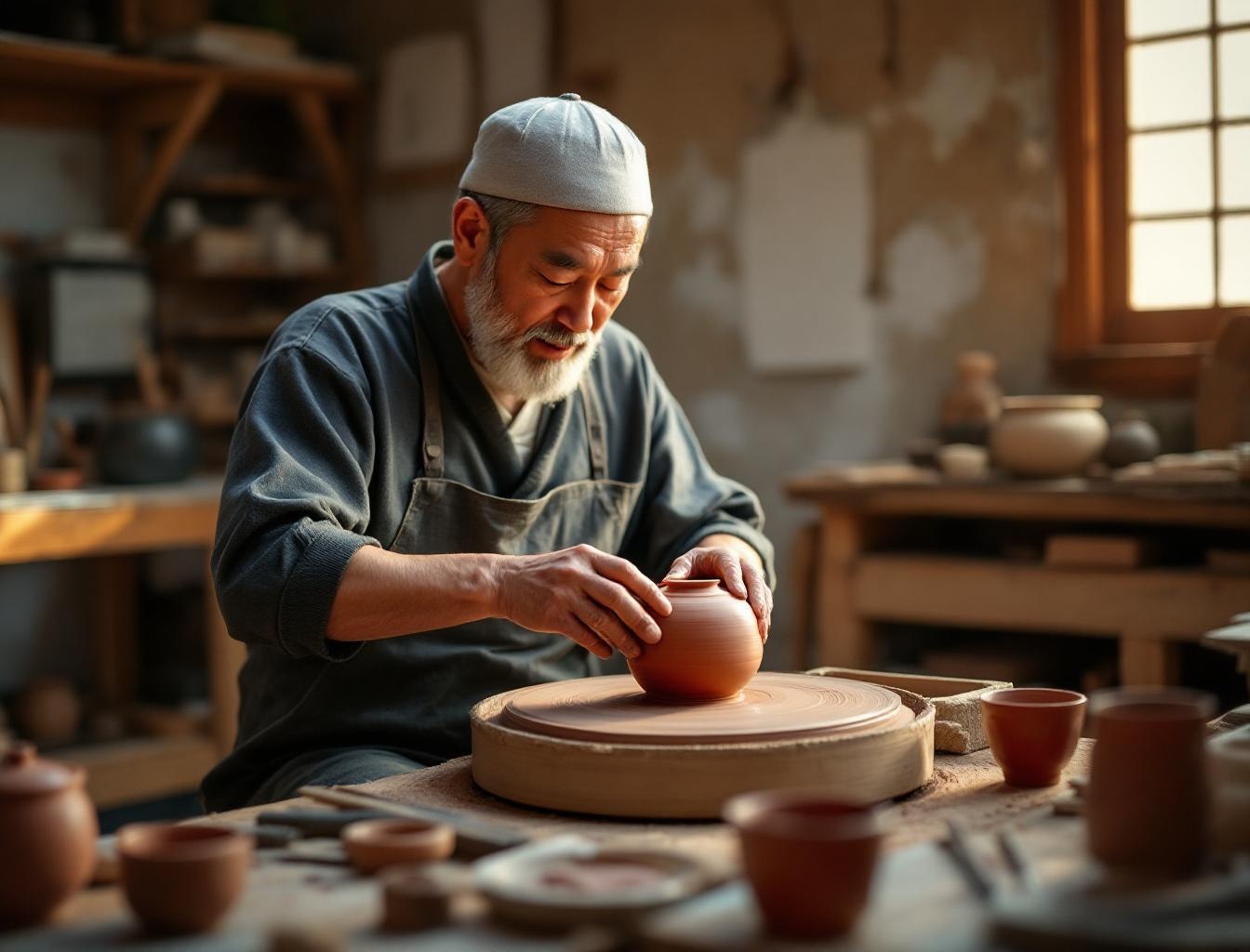
Tokoname teapots are formed using four traditional techniques — wheel throwing (rokuro-seikei), coil building (yoriko-zukuri), press molding (oshigata-seikei), and hand pinching (tebineri) — each chosen based on the piece type, size, and intended aesthetic. These methods developed directly in response to the specific properties of local clay: its plasticity, shrinkage rate, and how it fires.
Rokuro-seikei (轆轤成形) — Wheel throwing on a potter's wheel, the dominant method for round kyusu teapots. The clay's fine grain and high plasticity make it well-suited to wheel work, and skilled Tokoname potters achieve remarkably thin, even walls. After forming, pieces are trimmed and refined by hand.
Yoriko-zukuri (鎚起造り) — Coil building, used for larger pieces where the size and weight make wheel throwing impractical. Clay is rolled into long ropes, then coiled and pressed together, with the joins smoothed by hand and paddle. This is the traditional method for large storage jars and decorative pots.
Oshigata-seikei (押型成形) — Press molding, used primarily for bonsai pots and pieces requiring precise rectangular or angular forms. Clay is pressed into or around a plaster mold, allowed to firm up, then carefully removed.
Tebineri (手捻り) — Hand pinching, used for small pieces and sculptural work where the potter's direct touch marks are an intentional part of the aesthetic.
After forming, pieces are dried slowly to prevent cracking — the high iron content makes Tokoname clay prone to stress fractures if dried too rapidly. Lids are fired in place on teapots, a critical step that guarantees the fit remains perfect even after firing shrinkage. This is the origin of the slightly different colorations sometimes visible where the lid contacts the body rim.
What Kiln and Firing Methods Define Tokoname Character?
Three kiln types shape the character of Tokoname pottery: the ancient wood-fired anagama tunnel kiln, the multi-chamber noborigama climbing kiln, and modern electric or gas kilns used for most contemporary production. The kiln type and firing atmosphere have as much influence on the final character of a Tokoname piece as the clay itself.
Anagama (穴窯) — The single-chamber tunnel kiln, wood-fired over multiple days. This is the oldest kiln type used in Tokoname, producing pieces with distinctive natural ash glaze deposits where wood ash melts and fuses to the clay surface during firing. The atmosphere inside an anagama varies significantly — hotter at the firebox end, cooler near the exit — which creates natural variation across a single firing. No two anagama-fired pieces are identical.
Noborigama (登り窯) — The multi-chamber climbing kiln, arranged in steps up a hillside so that heat from lower chambers preheats upper ones. Noborigama firing allows more consistent temperature control than anagama while still producing the natural variation associated with wood firing. Many historic Tokoname kilns used noborigama through the early modern period.
Electric and gas kilns — The majority of contemporary production, including most pieces exported internationally, uses modern electric or gas kilns. These produce extremely consistent results and allow potters to precisely control firing curves. The shudei clay's characteristic red color develops reliably in an oxidation atmosphere (electric kilns, or gas kilns with the damper open); reduction firing shifts the red toward the darker kokudei tones.
Yakishime pieces — the unglazed stoneware fired to maximum temperature — are typically wood-fired specifically to achieve the natural surface markings that make each piece visually distinctive.
| Kiln Type | Japanese | Fuel | Atmosphere | Surface Character | Typical Use |
|---|---|---|---|---|---|
| Anagama | 穴窯 | Wood (multi-day) | Variable; highly unpredictable | Natural ash glaze deposits; every piece unique | Yakishime art pieces; high-end craft production |
| Noborigama | 登り窯 | Wood | Variable; more controlled than anagama | Natural variation with more consistency across chambers | Traditional mid-scale production; historic Tokoname output |
| Electric / Gas | — | Electricity or gas | Precisely controlled oxidation or reduction | Highly consistent color and surface; predictable results | Most contemporary and export production |
Which Teas Pair Best with Tokoname Teapots?
Shudei (red clay) teapots pair best with Japanese green teas — sencha, gyokuro, and medium-oxidized oolongs — while kokudei (black clay) teapots suit houjicha and darker teas. The pairing is determined by how each clay's mineral profile interacts with the specific chemistry of the tea. Treating your teapot correctly from the start makes a real difference in long-term performance.
| Tea | Recommended Clay | Brewing Temp | Why It Works |
|---|---|---|---|
| Sencha | Shudei | 70–80°C | Iron softens needle-sharp astringency in younger harvests; enhances natural sweetness |
| Gyokuro | Shudei | 55–60°C | Iron-enhanced umami is especially pronounced with shaded, high-theanine teas |
| Kabusecha | Shudei | 65–70°C | Intermediate shading profile benefits from the same umami-lifting effect as gyokuro |
| Oolong (medium-oxidized) | Shudei | 85–90°C | Iron softens harshness without dampening floral aromatics |
| Houjicha | Kokudei | 90–95°C | Earthy mineral quality of kokudei complements roasty character; longer heat retention |
| Aged pu-erh / dark oolongs | Kokudei | 95°C | Kokudei mineralogy handles complex earthy profiles without introducing unwanted brightness |
Shudei teapots are the classic match for Japanese green teas. The high-iron interaction works particularly well with:
- Sencha — The most common pairing. Shudei reduces the needle-sharp astringency that can appear in younger sencha harvests, making first and second flush teas more approachable. See our complete sencha guide for harvest and brewing details.
- Gyokuro — The umami enhancement from shudei clay is especially pronounced with shaded teas. According to Ashihara (2015, Natural Product Communications), shading increases theanine content by suppressing photosynthetic conversion to catechins, giving gyokuro 2–3× more theanine than unshaded sencha — making the iron's umami-lifting effect particularly noticeable. Brew at low temperatures (55–60°C) in small volumes.
- Oolong — Medium-oxidized oolongs like Tie Guan Yin work well with shudei; the iron softens any harshness without dampening the floral notes.
Kokudei teapots suit medium-to-dark teas better:
- Houjicha — The earthier, slightly mineral quality of kokudei complements the roasty character of houjicha. The darker clay also retains heat somewhat longer.
- Aged pu-erh and dark oolongs — Kokudei's mineralogy handles the more complex, earthy profiles of aged and heavily oxidized teas without introducing unwanted brightness.
For a deep dive into all Japanese green tea varieties and how brewing vessels affect flavor, see our Japanese Green Tea Complete Guide.
According to Komes et al. (2010, Food Research International), higher water temperatures increase extraction of catechins and tannins, producing more astringency — which is why temperature control is especially important when brewing delicate greens like gyokuro in a shudei kyusu, where lower temperatures (55–60°C) limit catechin extraction while allowing theanine to dominate.
One critical rule for all unglazed Tokoname: dedicate each teapot to one category of tea. The clay absorbs and retains compounds from whatever you brew in it. Alternating sencha and houjicha in the same unglazed pot will produce odd results within a few months. Pick a tea type, commit to the pot, and let the seasoning develop over time.
Our Tokoname Teapots
We source our Tokoname teapots directly from Tokoname City producers, selecting pieces that balance traditional aesthetics with functional excellence for daily use. Each ships with care packaging appropriate for ceramic teaware.
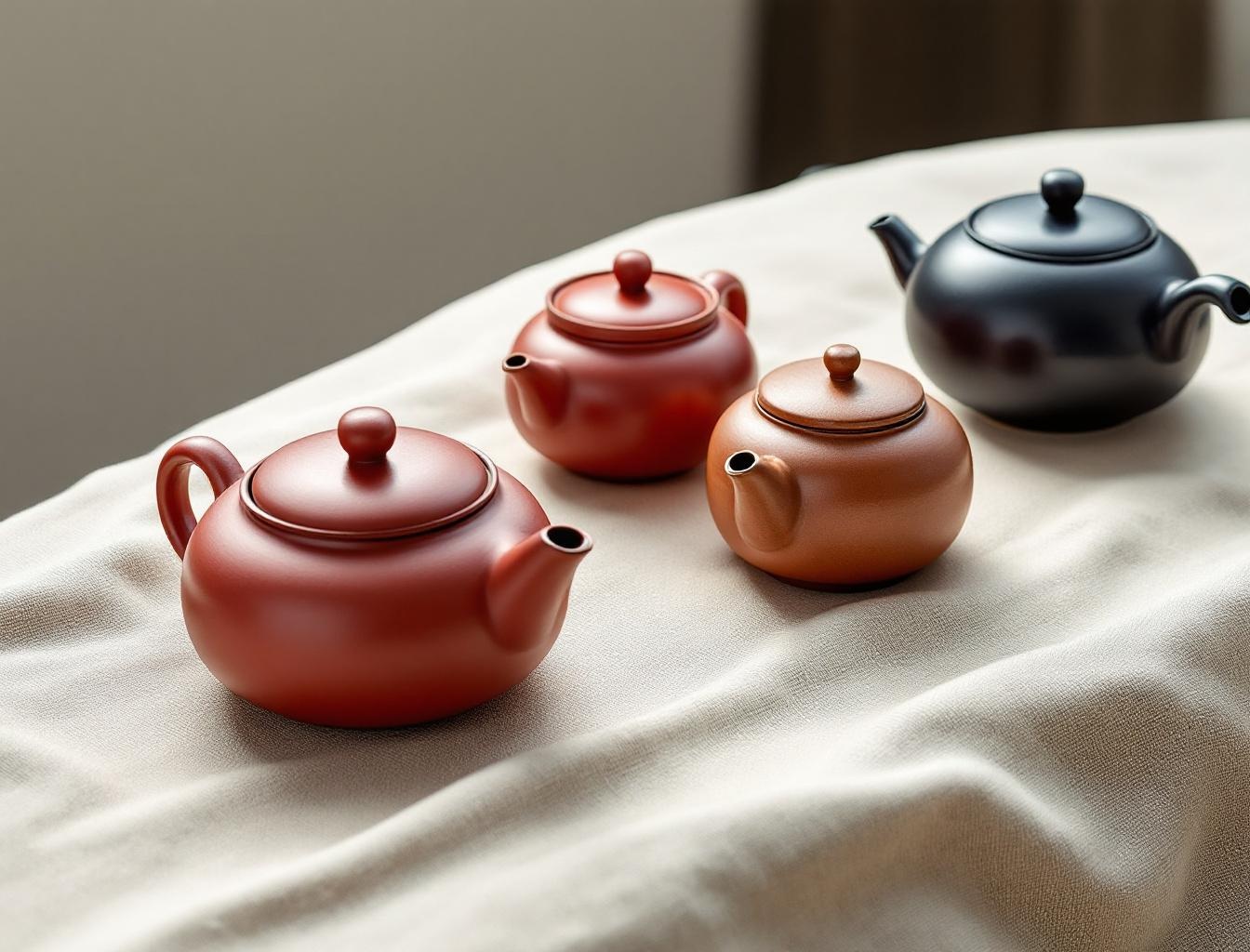
- Red Tokoname Ware Kikkuri Kyusu Teapot — Classic shudei clay in the traditional round kyusu form. The deep brick-red body is achieved through oxidation firing of authentic Chita Peninsula clay. Built-in ceramic strainer keeps tea leaves out of the pour. Best for: Sencha, gyokuro, and light-to-medium oolongs; the ideal first Tokoname teapot for Japanese green tea drinkers.
- Tokoname Smoke Black Teapot (Larger) — Kokudei-style black clay in a larger capacity format, ideal if you brew multiple cups per session. The smoke-black finish develops a subtle sheen with use. Best for: Houjicha, dark oolongs, and households brewing two or more cups at once.
- Tokoname Smoke Black Kikkiri Teapot — A refined everyday-use kyusu in smoke black clay, sized for single or paired servings. Clean lines and consistent wall thickness make this one of our most practical options. Best for: Daily single or two-person servings of houjicha or roasted teas; those wanting a compact, versatile kokudei kyusu.
- Tokoname Rakurakusai Kyusu (Black) — The Rakurakusai (楽楽斎, “effortlessly enjoyable”) design prioritizes ease of use: an ergonomic handle angle, balanced spout, and a lid that doesn't shift during pouring. Best for: Everyday houjicha or dark oolong drinkers who prioritize ergonomics and effortless pouring over a more austere aesthetic.
For a broader look at Tokoname craftsmanship and how to evaluate specific pieces, read our detailed companion guide: The Art of Tokoname: A Guide to Japanese Teapots.
How to Identify Authentic Tokoname Yaki
Authentic Tokoname Yaki is identified by the individual potter's seal (hanko) impressed on the base, the official GI certification mark on packaging (in place since 2007), fine-grained and slightly irregular clay texture, notably light wheel-thrown walls, and a price point starting at $80–120 USD for genuine handcrafted pieces. With Tokoname's international reputation comes the inevitable presence of imitations — mass-produced ceramic teapots from other regions marketed under the Tokoname name. Here's what to look for:
- Potter's seal — Authentic pieces carry the individual artisan's seal (hanko) impressed or painted on the base, along with the kiln name. Document the potter and look up their work before buying.
- Geographical indication label — Since 2007, certified producers display the official Tokoname Yaki GI mark. This appears on the packaging or a hang tag, not typically on the piece itself.
- Clay texture — Authentic shudei clay has a fine, almost smooth texture when fired, with subtle irregularities visible under close examination. Mass-produced pieces often have a perfectly uniform, slightly plasticky surface — the telltale of slip-cast production using non-Tokoname clay bodies.
- Weight and wall thickness — Wheel-thrown Tokoname kyusu are impressively light for their volume, with thin walls that cool quickly. Heavy pieces with thick walls may be press-molded imitations.
- Interior surface — The interior of an authentic unglazed Tokoname kyusu should feel slightly textured — not glassy smooth. Run a clean finger along the interior bottom. If it feels completely glazed-smooth, it's likely not traditional Tokoname production.
- Price — Authentic handcrafted pieces from named potters start around $80–120 USD for everyday kyusu and rise to several hundred for master-level work. Sub-$40 “Tokoname” teapots are almost certainly not the real thing.
How Do You Season and Care for a Tokoname Teapot?
Season a new Tokoname teapot by simmering it gently in cold water with loose tea leaves before first use; thereafter, rinse with hot water after each brew and air dry completely with the lid off — never using soap, detergents, or a dishwasher. Unglazed Tokoname clay is porous and reactive, which is what makes it valuable, but also what requires some initial care.
Initial seasoning (mandatory for unglazed pieces):
- Rinse the teapot with cold water, inside and out.
- Fill a pot with enough cold water to submerge the teapot. Add the teapot and 1–2 tablespoons of your intended tea (loose leaf works better than bags).
- Bring slowly to a simmer over 20–30 minutes. Do not boil rapidly — thermal shock can crack the clay.
- Remove from heat and let cool in the water for 30–60 minutes.
- Remove, rinse gently, and air dry completely with the lid off before first use.
Daily care:
- After each use, remove spent tea leaves immediately. Rinse thoroughly with hot water — no soap, ever. Soap molecules penetrate the unglazed clay and will flavor your tea for weeks.
- Air dry completely, lid off, in a well-ventilated spot. Storing while even slightly damp leads to musty odors that are difficult to remove.
- Never put a traditional unglazed Tokoname teapot in a dishwasher.
- If mold appears from inadequate drying, boil the teapot in water with a handful of used tea leaves for 20 minutes. This typically resolves the issue.
- Over months and years of correct use, the interior will darken and develop a subtle sheen from absorbed tea compounds. This is the patina (yobi, 余味) — protect it.
Frequently Asked Questions
What is Tokoname Yaki?
Tokoname Yaki (常滑焼) is a traditional Japanese pottery from Tokoname City in Aichi Prefecture — one of Japan's Six Ancient Kilns (Rokkoyo), with over 900 years of continuous production. It is best known for shudei (red clay) teapots made from iron-rich deposits on the Chita Peninsula. The high iron content interacts with tea during brewing, reducing astringency and enhancing the umami character of Japanese green teas.
Why is Tokoname clay red?
The brick-red color comes from high iron oxide (Fe₂O₃) content — typically 7–12%, compared to 2–4% in standard stoneware. Fired in an oxidizing atmosphere, the iron turns vivid red. The same clay fired in reduction (less oxygen) produces darker grey-brown tones, which is how kokudei (black clay) is created from essentially the same source material.
Does the clay actually affect how tea tastes?
Yes. Iron ions from unglazed shudei clay leach into hot brewing water, binding to catechins and tannins and reducing perceived astringency, while allowing theanine (the umami amino acid) to become more prominent. The effect is subtle at first and becomes more pronounced as the teapot seasons over months of use. Many serious tea drinkers find shudei-brewed sencha noticeably rounder and sweeter than the same tea brewed in glass or glazed porcelain.
What teas should I brew in a Tokoname teapot?
Shudei (red) teapots work best with Japanese green teas — sencha, gyokuro, kabusecha — and medium-oxidized oolongs. Kokudei (black clay) suits houjicha and darker teas. Dedicate each unglazed pot to one tea type; the clay absorbs compounds from whatever you brew and will create off-flavors if you alternate between very different teas.
How do I season a new Tokoname teapot?
Place the teapot in a pot of cold water with 1–2 tablespoons of your intended tea. Bring slowly to a gentle simmer over 20–30 minutes. Let cool in the water for 30–60 minutes, then rinse gently and air dry completely with the lid off before first use. This opens the clay's pores and begins the seasoning process.
How do I tell real Tokoname Yaki from imitations?
Look for the individual potter's seal on the base and, since 2007, the official geographical indication (GI) certification on packaging. The clay texture should feel fine and slightly irregular — not glassy smooth. Wheel-thrown pieces are notably light for their volume. Authentic handcrafted kyusu start around $80–120 USD; sub-$40 pieces are almost certainly mass-produced imitations.
Can I use soap to clean my Tokoname teapot?
Never use soap or detergents on unglazed Tokoname ware. The porous clay will absorb soap molecules, which will then flavor every subsequent brew for weeks or longer. Hot water rinses immediately after use are all you need. For deeper cleaning when needed, use plain boiled water or a mild baking soda paste applied with a soft brush.