The “Next Matcha” Trend You Need to Try Before It Hits Mainstream
You’re about to see hojicha dominate coffee shops as looming matcha shortages drive the market toward this sustainable, roasted tea. Unlike matcha’s grassy umami, hojicha features a deep, nutty roast flavor comparable to cocoa. With its low caffeine and mellow character, it’s an easy, comforting cup to add to your routine. Mastering barista-level lattes and sourcing authentic powder is easier than you might expect.
Why Hojicha Is Replacing Matcha as the New “IT” Drink
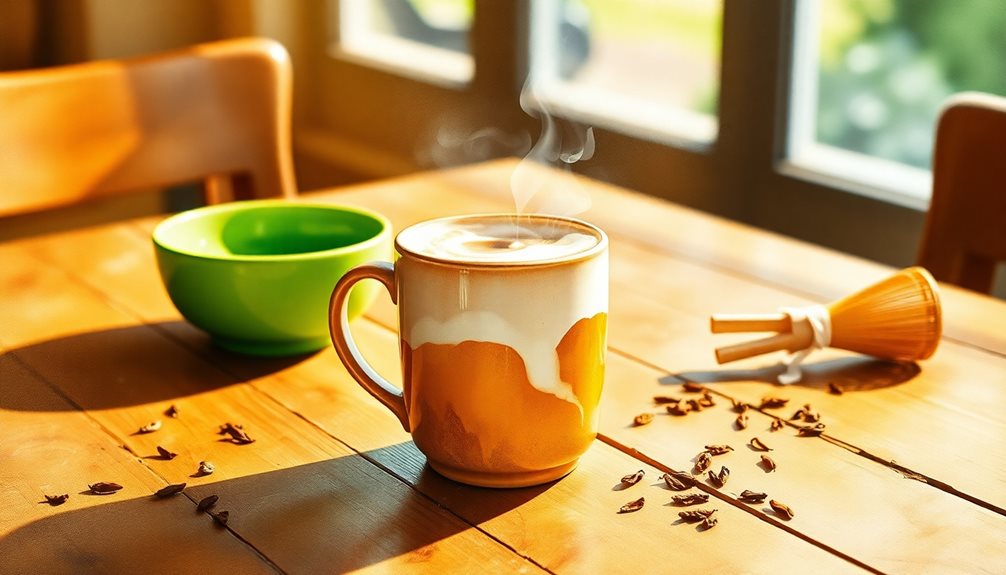
Although matcha faces supply constraints over the next three years, hojicha is seizing the opportunity with a sustainable model utilizing tea plant byproducts.
You don't have to tolerate the price volatility plaguing matcha; you can leverage hojicha’s reliance on processing leftovers, ensuring production never competes with scarce premium harvests. Research indicates that brands that adapt early to this shift are likely to succeed in foodservice and retail.
As global demand soars, you’ll find its availability remains steady and affordable. You’re witnessing a rapid ascent in North America and Europe, where hojicha is gaining aggressive traction in specialized shops and Michelin-starred establishments. Its aesthetic presentation combined with storytelling helps you engage younger demographics seeking Instagrammable and trendy drink options.
By adopting it now, you can stay ahead of 2026 projections. It’s not merely a substitute; it’s a strategic asset for your menu, offering a low-caffeine, mellow cup that suits late-afternoon and evening service. Because of the roasting process, this tea has a low caffeine content, making it a natural fit for sipping later in the day.
You dictate the terms of your menu. While others wait for matcha restocking, you can exploit this rising trend to diversify your selection and maintain your absolute edge in a rapidly shifting market. This momentum is quantified by recent reports showing green tea exports rose 25% in 2024.
Flavor Profile: Nutty Roast vs. Grassy Umami
Since specific genetics and firing techniques dictate aromatic composition, the divide between nutty warmth and grassy umami relies on precision processing. Different tea cultivars yield distinct flavours, similar to wine grapes, establishing the baseline for these notes.
You maintain command over your palate by understanding how heat triggers the Maillard reaction. This transforms the amino acids and sugars found in shaded leaves into pyrazines, replacing certain vegetal aldehydes with deep, roasted notes. Specialized processing methods, like roasting, can bring out nutty characteristics that define this unique style.
If you're demanding a creamy, chestnut-like finish, seek out Yame varieties like Okumidori or Saemidori rather than generic blends. While gentle firing preserves the “green” umami profile, higher firing temperatures reveal a sophisticated complexity akin to rich cocoa. To support this quality, growers ensure shading blocks sunlight for several weeks to develop the amino acids behind the leaf's savory depth.
Lipid oxidation during the drying process further releases aromatic lactones, ensuring you'll experience a smooth, pistachio-like depth rather than a sharp grassy bite. This careful refinement eliminates the grainy texture found in Hojicha, resulting in a noticeably smoother mouthfeel.
Master these variables to distinguish between standard ceremonial grades and a premium roast. This knowledge guarantees you select a tea delivering calculated, savory richness without the vegetative edge you'd otherwise expect. Proper stone-grinding minimizes heat friction to preserve fatty acids, ensuring the powder retains its characteristic creamy and nutty sensations.
The Low-Caffeine Advantage of Roasted Green Tea
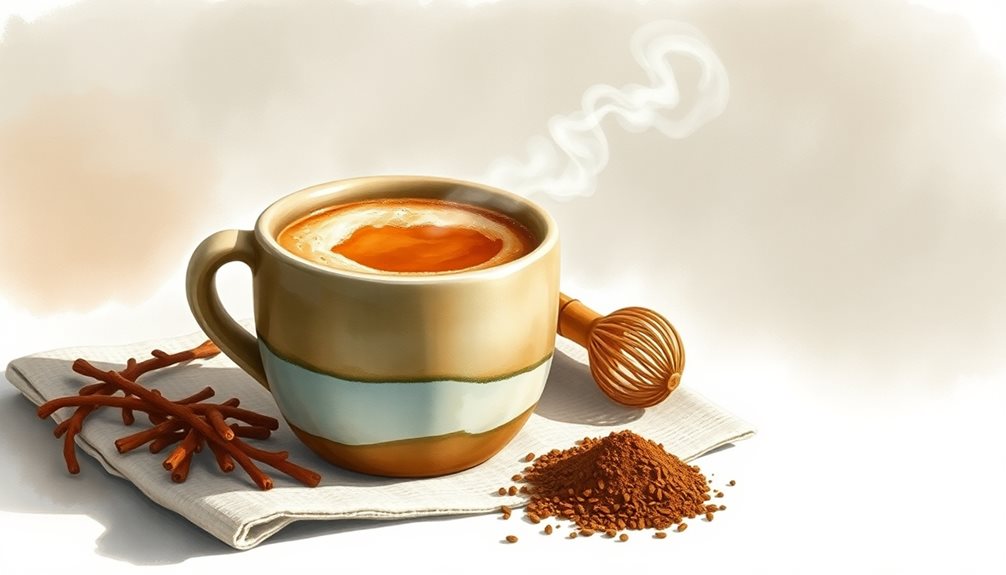
When you push roasting temperatures toward 200°C, you force caffeine to sublimate because the heat exceeds the compound's 178°C boiling point. This thermal extraction grants you mastery over your intake, slashing caffeine levels quite markedly. This method defines the character of hojicha, a roasted green tea originating in Kyoto, Japan.
Unlike standard sencha varieties which carry 30-50 mg of caffeine, hojicha delivers a negligible 5-8 mg per serving. This is a substantial deviation from coffee, known to contain an average 95 mg per cup. You determine the precise level by selecting roast origin; sourcing tea made from mature bancha leaves or twig-rich kukicha gives you the gentlest, lightest cup.
That low caffeine, paired with hojicha's distinct aromatic pyrazines, is what makes it such a soothing, easygoing brew. By comparison, a standard bowl of matcha contains about 60-80 mg of caffeine.
You can pour this tea in the evening without overloading your cup with caffeine. It’s a calculated flavor experience built around balance and mellow warmth, which is exactly why so many drinkers reach for it after dinner.
Steps for Making a Barista-Level Hojicha Latte

Unless you pass the powder through a fine-mesh strainer, the roasting process leaves behind micro-clumps that inevitably ruin the latte's texture. Demand precision by weighing 10g of powder into a beaker. Pour 80-85°C filtered water directly over the grounds; anything hotter produces bitterness, while cooler temps won't dissolve tannins.
Whisk rigorously in an “M” motion to release aromatics. You want a silky, lump-free suspension, not a gritty, chalky mess. To properly balance the tea's roasted character, dissolve 15 g muscovado sugar into the mixture while it remains warm.
Next, steam your milk—oat is the premium standard—to specifically 60-65°C. Stop before the boiling point to preserve the creamy mouthfeel and avoid scalded notes. Create microfoam, not soap bubbles. A dense foam structure is essential to stand up to the deep, full-bodied flavor of the concentrate.
For a layered presentation, shock-chill the concentrate with a single ice cube, then deflect the pour over a spoon onto your milk base. This maximizes the visual impact and preserves the temperature gradient.
You’ll achieve the perfect balance of roasted depth and velvety sweetness that defines a masterfully crafted drink. Thanks to its naturally low caffeine content, this beverage is an easy choice for an afternoon cup.
Creative Culinary Uses for Hojicha Powder
Take your appreciation for hojicha beyond the cup and apply that roasted profile to culinary creations. Hojicha powder dissolves seamlessly into batter or liquids without clumping. You aren't limited to beverages; command the flavor profile to transform standard dishes into sophisticated indulgences.
- Master savory glazes: Combine tea leaves with soy, honey, and garlic to coat grilled salmon, delivering a complex umami finish that complements fatty fish.
- Elevate frozen desserts: Temper egg yolks with warm hojicha milk mixture to churn ice cream boasting cocoa-like texture and mellow, malty characteristics tailored to your palate.
- Refine creamy classics: Blend the powder into heavy cream for a smooth hojicha panna cotta, yielding a rich, smoky dessert you can prepare three days in advance.
Craft compound hojicha butter simply by chilling mixed leaves.
Whether you’re baking pumpkin tea cakes or enhancing diverse flour blends, you dictate the intensity. Implement these bold techniques today.
How to Source Authentic High-Quality Hojicha
The search for authentic hojicha must begin in Kyoto, where merchants first roasted green tea over charcoal in the 1920s. To command a superior experience, you shouldn't settle for anything less than this heritage.
Demand producers who strictly utilize artisanal porcelain pot roasting methods, a technique that effectively eliminates bitterness. You’ll verify quality by scanning for a distinct reddish-brown color and an additive-free ingredient list.
Take charge of your supply chain by selecting established retailers like Hojicha Co., which crafts tea exclusively in Kyoto.
Whether you target specific small batches or bulk powder, prioritize vendors who distinguish clearly between varieties. Select sencha for roasting characteristics, bancha for robust flavor, or kukicha stems for sweetness.
Frequently Asked Questions
What Is the Proper Way to Store Hojicha Powder?
You’ll master preservation by sealing hojicha in an opaque, airtight container. Keep it cool, but bring it to room temperature before opening. You’ve now eliminated condensation risks and secured the roast's bold intensity for weeks.
How Do You Correctly Pronounce the Word Hojicha?
You pronounce hojicha as “ho-jee-cha,” ensuring you lengthen the initial “O” sound. You’ll articulate the “cha” suffix just like matcha. It’s a consistent phonetic pattern you can easily command by using standard Hepburn romanization rules.
Is Hojicha Typically Cheaper Than Ceremonial Grade Matcha?
You’ll pay considerably less for hojicha. It utilizes mature leaves and efficient roasting, so you don't absorb the labor premiums of shade-grown ceremonial matcha. You command better value and maximize your purchasing power.
Does Drinking Hojicha Stain Teeth Like Coffee Does?
Unlike coffee, hojicha is far less likely to stain. You’ll keep a brighter smile because the roasting process removes heavy tannins, sidestepping the discoloration you’d typically fight with daily coffee consumption.
What Does the Japanese Name Hojicha Literally Mean?
You'll translate hojicha literally as “roasted tea.” It's “hoji” for roast combined with “cha” for tea. This name precisely defines the secondary roasting technique you apply to green tea leaves to alter their flavor profile.