The Japanese Tea That Tastes Like Coffee But Won’t Wreck Your Sleep
You can enjoy coffee’s rich intensity in a completely different cup. Matcha delivers a velvety, umami-packed flavor with the bold satisfaction you crave, while expert shading techniques keep bitterness in check. Whisking it is a slow, deliberate ritual that gives the morning a moment of pause. Discover how this daily ritual reshapes your mornings around a single, satisfying drink.
A Smooth Cup Without Coffee’s Sharp Edge

Where coffee can arrive sharp and astringent, a well-made bowl of matcha lands smooth and rounded. The difference begins in the field: shade-grown leaves develop a softer, sweeter character than sun-grown tea, and stone-milling them into a fine powder preserves that texture in the cup.
You’ll find a similar smoothness across the Japanese green tea family. Gyokuro, also shade-grown, leans deeply savory; sencha is brighter and more grassy; bancha is mellow and everyday. Matcha sits at the rich, creamy end of that spectrum — a single whisked bowl rather than a steeped infusion.
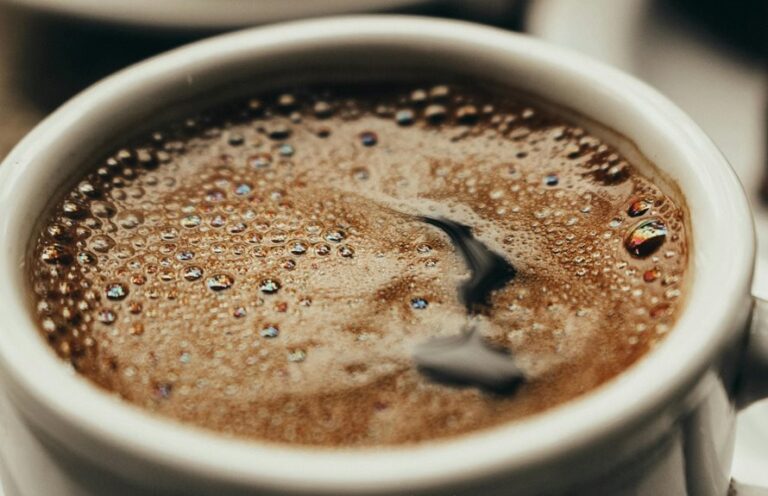
Coffee and matcha simply taste like different things. Coffee is roasted, bitter, and dark; matcha is vegetal, brothy, and bright green. If you want the morning ritual of a hot drink with a flavor profile that is the opposite of a dark roast, matcha is the natural place to look.
Quality matters more here than with most teas, because there is nowhere for a poor leaf to hide in a powder you drink whole. A vibrant green color, a fine grind, and a fresh harvest date are the markers worth chasing when you choose a tin.
Savor the Rich Umami Flavor of Matcha
The defining quality of good matcha is its deep, savory profile known as umami. This distinct flavor classification serves as the fifth basic taste alongside sweet, sour, bitter, and salty. You taste this “pleasant savory taste” thanks to the plant’s amino acid content, which builds up when farmers shade the tea before harvest, slowing photosynthesis to maximize flavor. Growers use long shading periods of 20 to 40 days, keeping sunlight from converting those amino acids into more bitter compounds.
You’ll detect a rich, satisfying, brothy intensity that feels velvety and coats your palate. Don't ever settle for culinary grades, which often taste overly bitter or astringent. Demanding ceremonial-grade matcha guarantees you experience the intended smooth, creamy texture. This premium grade is made from the youngest tea leaves, ensuring minimal bitterness. You should look for a vibrant, neon green color, as dull hues typically indicate low quality.
You must also keep your water temperature between 160–175°F. Excess heat scorches the powder, ruining the delicate balance you seek. Many tea drinkers enjoy matcha without sugar or milk to fully appreciate this unique profile.
Practice the Whisking Ritual
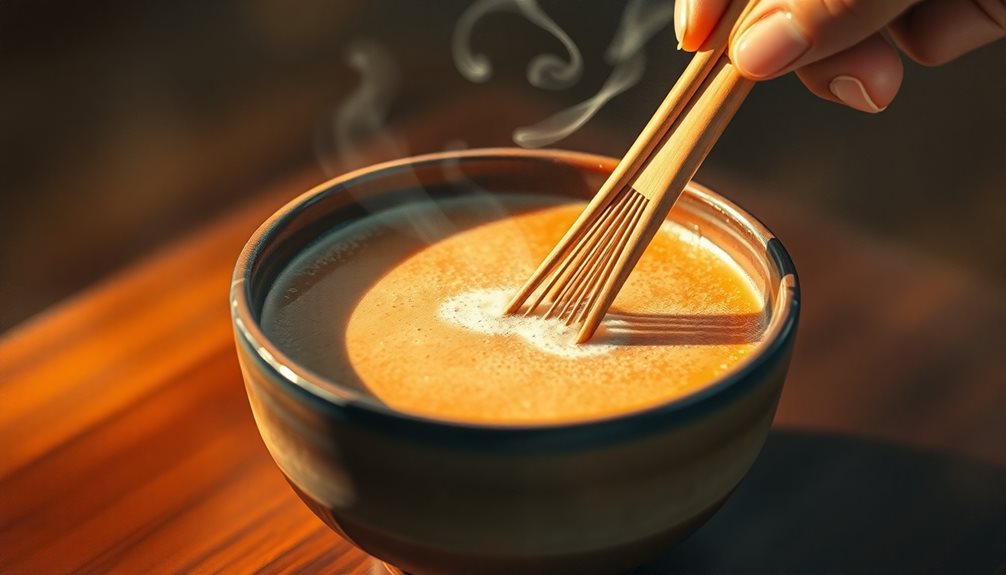
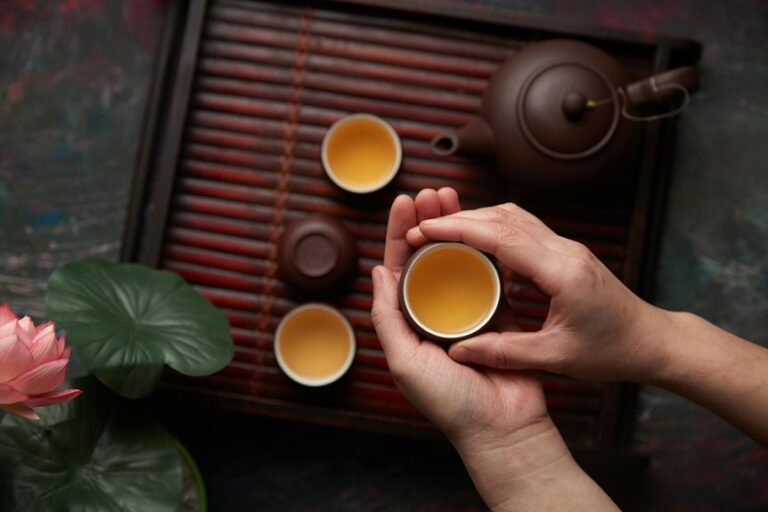
Beyond simply preparing a beverage, the act of rhythmic whisking turns matcha into a small daily ceremony. You watch vivid green powder become a luscious, frothy bowl. The experience is heightened because the leaves are stone-milled slowly, preserving their smooth texture and rich aroma. This echoes the historical origins of the practice, where Zen monasteries made whisked tea part of daily life.
The ritual is tactile and unhurried. As you handle the bamboo whisk, you settle into a few minutes away from screens — a small pause built into a busy day. Making it a habit creates a daily ritual with its own quiet rhythm.
The motion itself is simple. Hold the bowl steady, whisk briskly in an M or W shape until a fine, even foam forms on the surface, then lift the whisk gently to leave the froth intact. You don't need an elaborate setup — even a brief, three-minute session is enough to make a proper bowl.
Frequently Asked Questions
What Does Matcha Taste Like?
Matcha tastes vegetal, brothy, and savory, with a creamy texture and a vivid green color. Good ceremonial grade leans sweet and smooth; culinary grade is more bitter and astringent. It is closer to a rich vegetable broth than to coffee’s roasted, dark profile.
Is Matcha Acidic Like Coffee?
Matcha brews to a gentler, less acidic cup than coffee, which is one reason many people find it an easy everyday switch. It has a smooth, rounded flavor rather than coffee’s sharp edge.
How Should I Store Matcha?
Keep matcha sealed in an opaque, airtight tin away from heat, light, and moisture. Because it is a fine powder, it loses its vivid color and fresh flavor faster than leaf tea, so use it within a few weeks of opening.
Can I Drink Matcha on an Empty Stomach?
Many tea drinkers prefer matcha alongside food, especially something sweet like a small Japanese confection (wagashi), which balances its savory intensity. Pairing it with a bite to eat is the traditional way to enjoy a bowl.