Why Bancha Tastes Different Every Season: The Harvest Science Explained
Bancha literally means “common tea” in Japanese — and that name tells you everything about its role in daily life. This is the tea that sits on every kitchen counter, gets poured at every restaurant, and fills the thermos for every family outing. It is not precious. It is not ceremonial. It is the tea Japan actually drinks, every single day.
But here is what makes bancha genuinely interesting: it tastes different depending on when it was harvested, how old the leaves were, and what the farmer did after picking. The same plant that produces delicate first-flush sencha also produces earthy, mineral-rich bancha — and the science of why they taste so different is worth understanding.
What Makes Bancha Different from Sencha
Bancha and sencha come from the exact same Camellia sinensis tea plants. The difference is timing.
Sencha is harvested from the first and second flushes — the tender young shoots that emerge in spring, packed with amino acids, caffeine, and complex flavor compounds.
Bancha is harvested later, from the third and fourth flushes between summer and autumn. By this point, the leaves are larger, thicker, and have a fundamentally different chemical profile.
| Characteristic | Sencha (First Flush) | Bancha (Late Season) |
|---|---|---|
| Harvest timing | Spring (April-May) | Summer-Autumn (June-October) |
| Leaf age | Young, tender shoots | Mature, thick leaves |
| L-Theanine | High (sweet, umami) | Low (mild, earthy) |
| Caffeine | 20-30 mg/cup | 10-20 mg/cup |
| Catechins | High (astringent) | Lower (smoother) |
| Minerals | Moderate | High (calcium, magnesium) |
| Flavor | Grassy, sweet, complex | Earthy, warm, cereal-like |
| Price | $$-$$$ | $ |
Why Mature Leaves Have a Completely Different Character
As tea leaves remain on the plant through spring and into summer, several changes happen:
Thicker Cell Walls
Young spring leaves are delicate and thin. By the third or fourth flush, the leaves have developed robust, thick cell walls. This structural difference affects how the tea brews — bancha releases its compounds more slowly and steadily, producing a smooth, even cup without the sharp flavor peaks of young-leaf teas.
Lower Caffeine
The tea plant produces caffeine primarily as an insect deterrent. Young, vulnerable leaves at the top of the plant need the most protection, so they contain the most caffeine. By the time mature lower leaves are harvested for bancha, they naturally contain far less — making bancha one of the lowest-caffeine true teas available.
Higher Mineral Content
Because bancha leaves spend more time on the plant, they accumulate higher concentrations of minerals from the soil and water — particularly calcium and magnesium. This mineral richness contributes to bancha's characteristic earthy, grounding flavor profile.
Distinctive Flavor Notes
Where sencha is grassy and bright, bancha offers notes of warm wood, cereal, toasted nuts, and a gentle smokiness. The flavor is comforting rather than complex — which is exactly why it works so well as an everyday, all-day tea.
Bancha Through the Seasons
Because bancha can be harvested across multiple flushes, the season of harvest creates noticeable flavor differences:
- Nibancha (second flush, June) — Slightly more body and astringency than later harvests, still affordable
- Sanbancha (third flush, July-August) — The classic bancha. Mild, clean, earthy. This is what most “bancha” on store shelves actually is.
- Yonbancha (fourth flush, September-October) — The mildest and most mineral-forward. Very low caffeine.
- Aki-bancha (autumn bancha) — Sometimes called “winter bancha,” harvested late for a deeply earthy, robust character.
Each flush produces a tea with slightly less amino acid sweetness and slightly more mineral earthiness than the last. The progression is gentle but real — tasting them side by side reveals the plant's seasonal rhythm.
The Japanese Household Tea
In Japan, bancha is not a specialty — it is infrastructure. It is the tea that is always there, always affordable, always appropriate. Restaurants serve it automatically with meals. Families keep it in the kitchen for all-day sipping. It is poured for children, grandparents, and everyone in between.
This universal acceptance comes from bancha's gentle profile: mild flavor that never overwhelms food, low caffeine that does not disrupt sleep, and a smooth character that does not irritate sensitive stomachs. It is the tea equivalent of a warm blanket — unremarkable until you realize how much you rely on it.
In macrobiotic dietary traditions, bancha holds a special place. Its mature, lower leaves are considered to have a balanced “yin and yang” quality, unlike the highly “yin” (cooling) character of young first-flush leaves. This philosophical dimension gives bancha a significance that goes beyond its humble price point.
Sannenbancha: The Three-Year Aged Bancha
If standard bancha is the everyday tea, sannenbancha is its meditative older sibling.
Sannenbancha is made by harvesting the oldest, coarsest leaves and stems from the very bottom of the tea plant — material that is often at least three years old. These are chopped, roasted, and then left to mature and ferment for a full three years.
The result is extraordinary: a dark brown tea with a soft, sweet, earthy flavor and umami-rich depth. The three-year aging process drops caffeine content to nearly zero, making it the ultimate evening or anytime tea. It is highly prized in macrobiotic communities as a “yang” (warming) tea that balances the body.
Sannenbancha is rare outside Japan and specialty tea shops. If you find it, it is worth trying — it tastes like no other tea you have had.
Goishicha: Japan's Rare Post-Fermented Tea
Most people associate fermented tea with Chinese pu-erh, but Japan has its own tradition. Goishicha is a post-fermented bancha produced in Kochi Prefecture on the island of Shikoku. The leaves undergo two stages of fermentation — first aerobic (mold-based), then anaerobic (lactic acid) — creating a dark, tangy tea unlike anything else in the Japanese tea world.
Goishicha production is limited to a handful of families, making it one of Japan's rarest teas. The flavor is sour, funky, and deeply complex — closer to kombucha than to green tea. It is a fascinating outlier that shows just how diverse the world of bancha can be.
How to Brew Bancha
Bancha is the most forgiving Japanese tea to brew. Because its mature leaves contain fewer delicate amino acids and less caffeine than young-leaf teas, it handles high temperatures without turning bitter.
- Use 4-5g of bancha leaves per cup (200-300ml)
- Heat water to 90-100°C (195-212°F) — near boiling is fine
- Steep for 30 seconds to 2 minutes
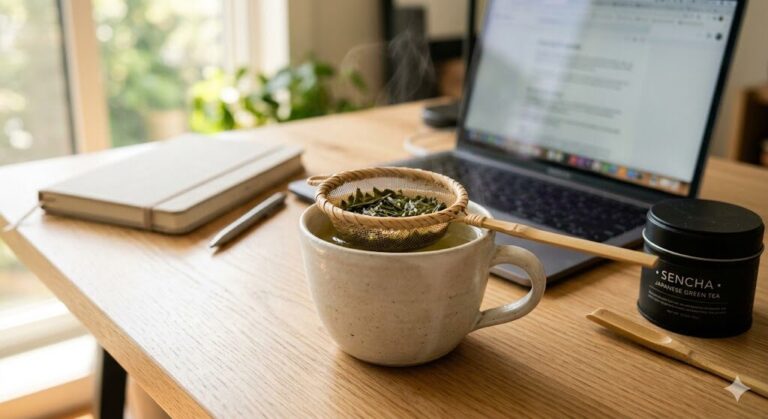
- Strain and serve
For a mellower cup, steep for just 30 seconds. For a more robust, mineral-forward cup, go a full 2 minutes. Either way, bancha will not punish you the way an overbrewed sencha or gyokuro would.
Cold brewing bancha produces an exceptionally smooth, sweet cup that is perfect for summer. Add leaves to cold water and refrigerate for 4-8 hours.
To understand how temperature affects every type of Japanese tea, see our complete brewing temperature guide.
Bancha vs. Hojicha: What Is the Difference?
Hojicha is actually roasted bancha in many cases. The base leaf is the same mature, late-harvest material, but hojicha goes through an additional high-temperature roasting step that creates pyrazines and gives it that distinctive toasty, caramel character.
| Feature | Bancha | Hojicha |
|---|---|---|
| Processing | Steamed, rolled, dried | Steamed, rolled, dried, then roasted |
| Color | Pale yellow-green | Reddish brown |
| Flavor | Earthy, mild, cereal | Toasted, caramel, nutty |
| Caffeine | 10-20 mg | 7-15 mg (roasting reduces further) |
If you enjoy bancha's mildness but want something warmer and richer, hojicha is the natural next step. Read our guide to hojicha's gentle character for the full comparison.
For a comprehensive overview of where bancha fits in the Japanese tea family, explore our complete Japanese green tea guide.
Frequently Asked Questions
Is bancha lower quality than sencha?
Bancha is a different grade, not an inferior tea. It is harvested later from mature leaves, which gives it a milder flavor and lower caffeine — qualities that make it ideal as an everyday, all-day tea. Many Japanese tea drinkers prefer bancha precisely because it is gentle, affordable, and never overwhelming.
Does bancha have caffeine?
Yes, but significantly less than most other true teas. Bancha typically contains 10-20 mg of caffeine per cup, compared to 20-30 mg for sencha and 60-85 mg for matcha. Sannenbancha (three-year aged) has almost no caffeine at all.
What does bancha taste like?
Bancha has a mild, earthy flavor with notes of warm wood, cereal, toasted grain, and a gentle smokiness. It lacks the grassy brightness of sencha and the intense umami of gyokuro. The flavor is comforting, clean, and pairs well with meals.
Can I drink bancha in the evening?
Bancha is one of the best evening teas because of its low caffeine content. In Japan, it is commonly served with dinner and throughout the evening. For an even lower-caffeine option, look for kukicha (stem tea) or sannenbancha.
What is the difference between bancha and kukicha?
Kukicha is made from the stems and twigs of the tea plant, while bancha uses the mature leaves. Both are low in caffeine and mild in flavor, but kukicha has a slightly sweeter, more delicate character. They are often produced from the same harvest — the leaves become bancha, the stems become kukicha.