I Swapped My Afternoon Coffee for This Roasted Tea — Here’s What Happened
Swapping your afternoon coffee for roasted tea is an easy way to change up your daily ritual. Tea generally carries less caffeine than coffee, so it makes for a lighter, more sippable afternoon cup. You can even customize the strength of your brew, because specific steeping tricks extract markedly more caffeine from your leaves.
How Much Caffeine Is in Coffee vs. Tea?
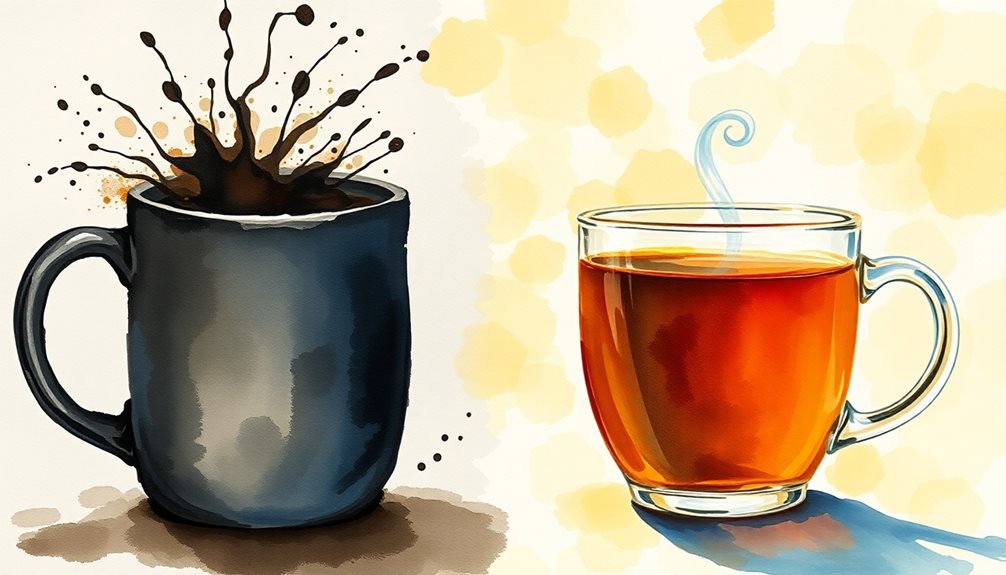
Why does brewed coffee deliver a considerably stronger jolt than tea? If you like to know what's in your cup, the numbers are worth a look.
Surprisingly, dry tea leaves actually hold 3.5–4% caffeine by weight, outpacing raw coffee beans which contain only 0.9–2.6%. In the plant, the compound acts as a natural pesticide against insects. However, the final brew flips this dynamic.
When you brew coffee, you extract from a denser mass of grounds, resulting in a cup containing 95–200 mg of caffeine. If you prefer a concentrated format, a single 1-ounce shot of Espresso delivers 63 mg. Compare that to black tea, which usually yields just 25–48 mg per 8-ounce serving, or green tea’s milder 24–45 mg. Even strong Yerba Mate peaks at roughly 80 mg.
While steeping time and temperature influence extraction, coffee typically provides double the total caffeine load of tea. You’re effectively brewing a much milder cup. Cold brew coffee, by contrast, often carries a higher caffeine content because of the increased amount of ground coffee used.
If you want a big, immediate jolt, coffee remains the heavy lifter, but the sheer volume difference shows up in every poured cup. Tea simply gives you a gentler, lower-caffeine alternative.
Caffeine Levels Across Black, Green, and Oolong Varieties
Because oxidation directly impacts chemical extraction, choosing the right tea variety lets you dial in the strength of your cup. Tea masters control oxidation through specific processing techniques.
For the strongest cup, target fully oxidized black teas like English Breakfast. These leaves deliver the highest potency, typically averaging 47 mg but reaching 90 mg per cup. You can maximize this extraction by extending the steeping time beyond the initial three minutes.
When you want a customized middle ground, leverage oolong. Since processors partially oxidize oolong, it bridges the gap with a flexible 30 to 102 mg range. You can dial this in precisely: darker oolongs mimic black tea’s strength, while lighter ones mirror green tea’s profile. This variety also offers a flavor complexity that surpasses that of green tea.
For a milder, subtler cup, reach for unfermented green tea, which keeps caffeine between 25 and 50 mg. This lack of fermentation also keeps the tea high in amino acids and catechins, which shape its fresh, savory flavor.
While coffee forces a heavy 80 to 192 mg load into your cup, these varieties let you tune the strength. You’ll stop guessing and start choosing your ideal cup based solely on the leaf’s oxidation. This works because all three varieties originate from the same Camellia sinensis plant.
Brewing Tactics That Increase Caffeine Extraction
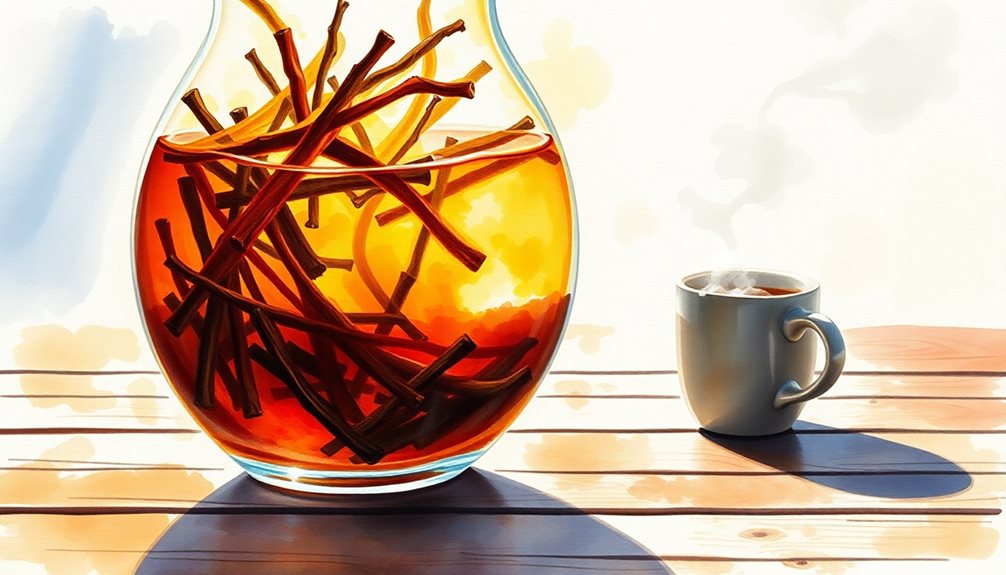
Once you’ve picked your tea, you can manipulate specific brewing variables to engineer a markedly stronger cup. Even though tea leaves contain more caffeine per dry weight than coffee beans, you must brew aggressively to release it. Start by maximizing temperature. Water close to boiling (203–212°F) acts as the primary driver for extraction efficiency, releasing caffeine much faster than cooler water settings.
If you’re brewing black or roasted varieties, demand that 212°F heat to force out all the stimulating compounds. Next, control the clock. A five-minute steep extracts approximately three times more caffeine than a quick standard one-minute dip. Don’t rush; extended contact time is essential. Applying this method lets you easily surpass the average 40–70 mg of caffeine usually found in black tea.
To brew the boldest cup, adjust the leaf-to-water ratio. Doubling the amount of leaves creates a highly concentrated infusion comparable to strong espresso. You should also consider breaking up the leaves before brewing, as smaller leaf particles can lead to higher caffeine content. Because the plant produces this compound as a natural pesticide to protect fresh growth, choosing younger leaves will further ensure a potent extraction. Remember that the first steep holds the vast majority of the caffeine, so prioritize a bold, high-heat, heavy-leaf initial pour.
Frequently Asked Questions
What Does Roasted Tea Actually Taste Like?
You’ll find a flavor spectrum defined by roast magnitude. Light roasts offer vegetal creaminess, while medium levels deliver honeyed nuts. Choose dark roasts, and you’ll get robust dark chocolate, caramelized sugar, and lingering wood-fire intensity.
Can I Drink Roasted Tea With Milk and Sugar?
You certainly can. You'll achieve ideal creaminess by combining strong tea with steaming whole milk. You dictate the final profile, so tweak the sugar or sweetened condensed milk to balance the roast’s rich, buttery body.
Is Roasted Tea Acidic Like Coffee Is?
Roasted tea isn't as sharp on the palate as coffee. Green tea registers between pH 7 and 10, so it tends to taste rounder and gentler in the cup.
Will I Save Money by Switching to Roasted Tea?
You’ll instantly reduce expenses. Tea costs mere pennies per cup, whereas coffee reaches nearly 50 cents. You’ll secure over $300 in annual savings, putting you directly in charge of your finances while eliminating unnecessary waste.
Do I Need Special Equipment to Brew This Tea?
Imagine using a standard metal sieve over your favorite mug. You won't require specialized gear to command this brew. While digital kettles maximize precision, you'll extract robust flavor using the simple tools you already own.