Sencha vs. Coffee: Steady Energy That Lasts All Morning
While coffee delivers a quick jolt with 80–110 mg of caffeine, Sencha offers a completely different kind of cup — moderate in caffeine, bright and grassy in flavor, and easy to fine-tune through how you brew it. Mastering a few simple brewing tweaks reveals how much character a single tea leaf can hold.
Sencha vs. Coffee: The Caffeine Content Breakdown
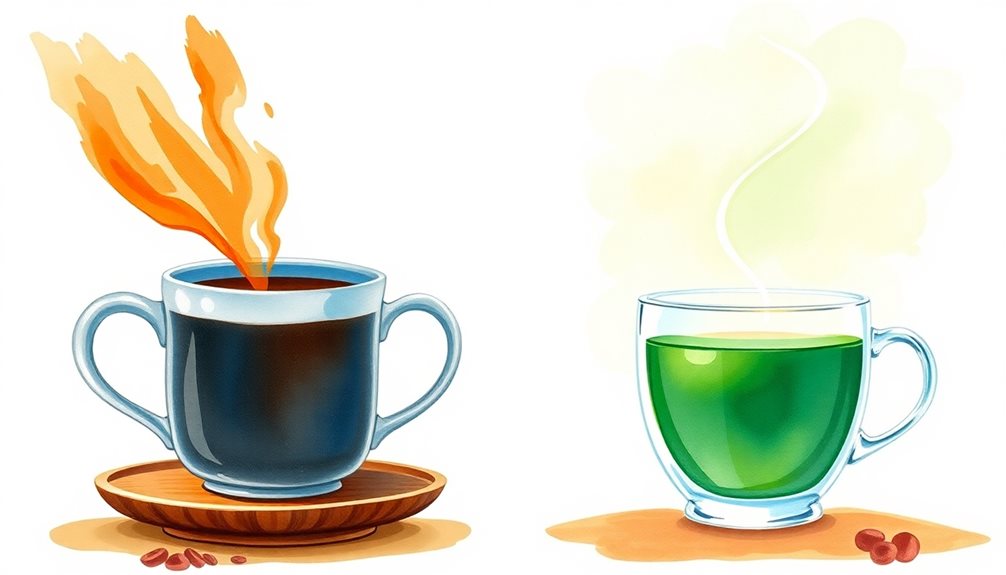
While you likely turn to coffee for a heavy hit, sencha brews to a strikingly lighter cup. Loose-leaf sencha usually yields roughly 20 to 40 milligrams of caffeine per cup. This balance is part of why sencha remains Japan’s most popular tea, accounting for the vast majority of domestic production.
Contrast this against coffee’s 80 to 110 milligrams — sometimes spiking to 200 mg — and the difference is clear. You can also vary the cup by selecting specific tea types. Younger leaves and buds tend to carry more caffeine, while a roasted or stem-based tea carries less.
Choose shaded Kabuse sencha for a richer, more savory cup, or pick Genmaicha for a lighter, toastier brew. Stem-based teas like Kukicha contain only ⅓ the caffeine of standard leaves. Water temperature and steeping duration also shift how much caffeine ends up in the cup — for instance, cold brewing extracts noticeably less caffeine than a hot infusion.
Where coffee is a single, blunt note, sencha is a tea you can tune. It’s a matter of how you brew rather than how much you drink — pick the right leaf and the right method and you get exactly the cup you were after. The pairing of caffeine and the amino acid L-theanine in green tea leaves is one reason sencha tastes so smooth and well-rounded rather than harsh.
L-Theanine: The Savory Amino Acid Behind Sencha’s Flavor
Sencha offers more than caffeine; it carries L-theanine, the amino acid most responsible for green tea’s savory, umami character. This compound is naturally found in tea leaves, and shade-grown teas like gyokuro or kabuse sencha develop more of it, which is why those cups taste sweeter and brothier. It is the flavor counterpart to the bright, grassy notes you also taste in a good sencha.
Different teas balance these flavor components in different ways. A first-flush spring sencha is fresh and vegetal; a deep-steamed fukamushi sencha is fuller and more rounded; a shaded sencha leans deep and savory. None of this is about chasing an effect — it is simply the range of flavor a single plant can produce depending on harvest and processing.
That range is the real appeal of sencha. You avoid the single dark note of coffee and instead get a tea you can choose by mood: bright and clean one morning, deep and savory the next. The leaf does the work; you just decide which character you want in the cup.
The Character of a Good Sencha
If you’re used to coffee, a well-made sencha is a different experience entirely.
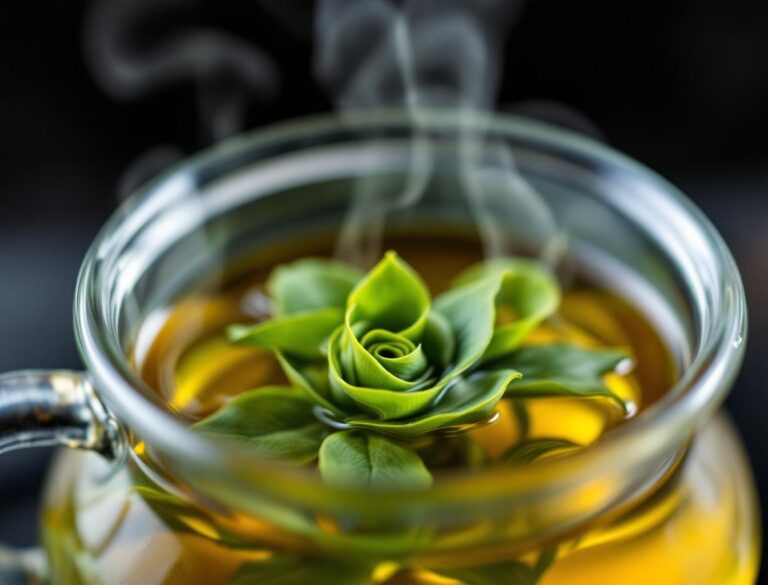
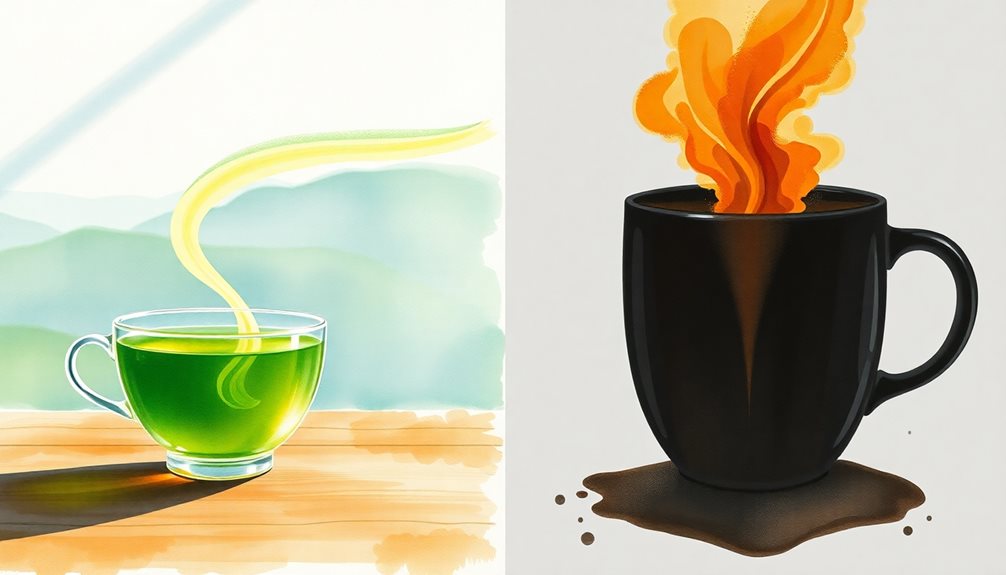
Instead of a dark roasted cup, sencha gives you a bright green infusion with grassy, sweet, and faintly marine notes. A moderate 20–60 mg of caffeine sits behind a clean, vegetal flavor rather than a bitter edge.
Sencha also carries a fresh, almost spinach-like aroma and a vivid chlorophyll-green liquor — visual and aromatic cues that set it apart from any coffee in the cup. Brewed well, it finishes sweet rather than astringent.
Compared with coffee, sencha simply tastes lighter and greener — a refreshing change of pace rather than a substitute trying to imitate a dark roast.
For tea drinkers, that contrast is the point: a cup that tastes nothing like coffee, with its own clean, grassy character.
Brewing Techniques for a Stronger or Lighter Cup
Because water temperature directly affects solubility, hotter water draws more flavor — and more caffeine — out of the leaves. Standard sencha brews between 70-90°C to keep the cup sweet and balanced, but you can push that threshold for a bolder infusion. Brewed gently, sencha yields a light cup; caffeine content per 100g is modest compared with coffee.
Don't settle for the standard 1-minute steep if you want more intensity; extending your brew time toward five minutes pulls a stronger, more robust cup. The leaf-to-water ratio matters too — doubling your dry leaf roughly doubles the strength of the brew. For context, standard Japanese green tea contains about 1/3rd the caffeine of coffee.
Younger, tender leaves naturally hold more flavor compounds, so premium shade-grown varieties like gyokuro brew an especially rich, savory cup. Tea plants grown with less sunlight develop a deeper, sweeter profile, which is why these shaded teas taste so intense.
Whether you reach for a finer-ground tea for surface exposure or a more concentrated sencha ratio, you control the strength of the cup. Customize these key variables to brew exactly the cup of tea you want. When you do want a coffee comparison, remember that Robusta beans can hold nearly double the caffeine of Arabica.
Sencha Flavor Pairings and the Japanese Table
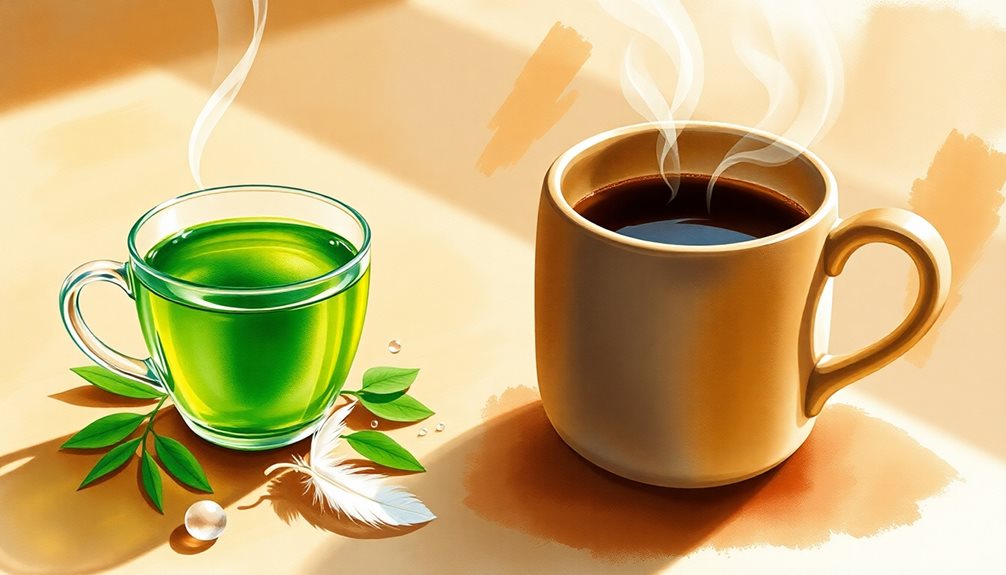
Sencha’s bright, grassy character makes it one of the most versatile teas at the table. Its clean, vegetal flavor cuts through richness, which is why it sits so naturally alongside Japanese food.
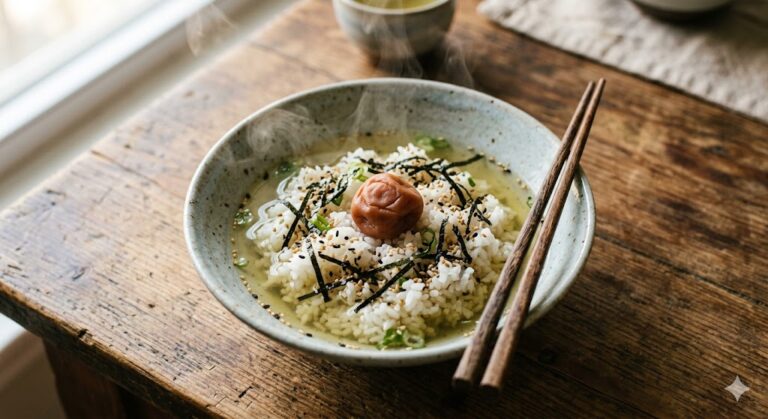
Pair a fresh spring sencha with delicate dishes — sushi, sashimi, or a simple bowl of rice — and the tea’s sweet, marine notes echo the meal. A deeper fukamushi sencha holds up better against grilled fish or savory simmered dishes.
Sencha is also a classic match for wagashi, the small Japanese confections served with tea. The tea’s faint astringency balances their sweetness, a contrast that has shaped Japanese tea-and-sweets culture for centuries.
Brewed cold in summer, sencha turns sweeter and more refreshing — a pitcher of mizudashi sencha is a staple of the Japanese warm season. Brewed hot, it is the everyday cup poured after meals across the country.
Whichever way you serve it, sencha rewards attention to flavor. It is a tea built around pairing, season, and the simple pleasure of a well-matched cup.
Morning vs. Afternoon: When to Brew a Cup
Sencha fits naturally into the rhythm of a Japanese day, and the time you brew it can shape the cup you choose. A brisk morning sencha is bright and grassy; a relaxed afternoon cup can be steeped a touch lighter. Below is a simple guide to brewing sencha across the day.
| Time Window | A Good Cup For… |
|---|---|
| 7-9 AM | A bright, fresh first-flush sencha to start the day |
| 9-10 AM | A mid-morning re-steep of the same leaves |
| 1 PM Post-Lunch | A cup to pair with or follow a meal |
| 3 PM | An afternoon cup alongside a small sweet |
| Evening | A lighter, cooler-water steep, or a cold brew |
A post-lunch cup of sencha is a long-standing Japanese habit — the tea’s clean, grassy flavor is a refreshing finish to a meal. Later in the day, a gentler steep at lower water temperature gives you a softer, sweeter cup. Sencha is flexible enough to suit almost any hour, so brew it to match the moment.
Frequently Asked Questions
What Does Sencha Tea Taste Like Compared to Coffee?
You’ll taste grassy, sweet, and vegetal notes with Sencha, without coffee’s bitter, roasted edge. It’s a smoother, more delicate profile — closer to a fresh green note than to a dark, intense brew.
Can I Add Milk or Sugar to My Sencha?
Most tea drinkers enjoy sencha plain. Milk and sugar mute its bright, grassy flavor and delicate sweetness, so brewing it straight lets the tea’s natural character come through.
Is Sencha Less Acidic Than Coffee?
Sencha brews to a gentler, less acidic cup than coffee. Brewing it at lower temperatures and enjoying it alongside food keeps the flavor smooth and balanced rather than sharp.
How Should I Store Sencha to Keep It Fresh?
Keep sencha in an opaque, airtight canister, stored cool, dry, and away from light and strong odors. Green tea fades quickly, so good storage preserves its fresh, grassy character.
Can I Brew Sencha Using a Standard Coffee Maker?
A coffee maker isn’t ideal for sencha because it gives you no control over water temperature and tends to scorch the leaves, yielding a bitter cup. A kyusu teapot or simple infuser produces a far better brew.