Gyokuro: Japan’s Finest Shaded Green Tea — Complete Guide
Gyokuro is the highest grade of Japanese loose-leaf green tea, and by a significant margin. Not just a marketing claim — the production process is objectively more intensive, the biochemical profile more concentrated, and the flavor more demanding and rewarding than anything else in the Japanese tea canon. Learn more in our guide on kukicha twig tea. If sencha is the everyday expression of Japanese tea culture, gyokuro is the ceremonial statement.
Understanding what makes gyokuro different — and why that difference matters — requires looking at the science behind shading and why a tea plant under stress produces something that tastes like liquid umami. This guide covers all of it: the history, the chemistry, the production regions, how to brew it correctly, and what to expect in the cup.
What Is Gyokuro?
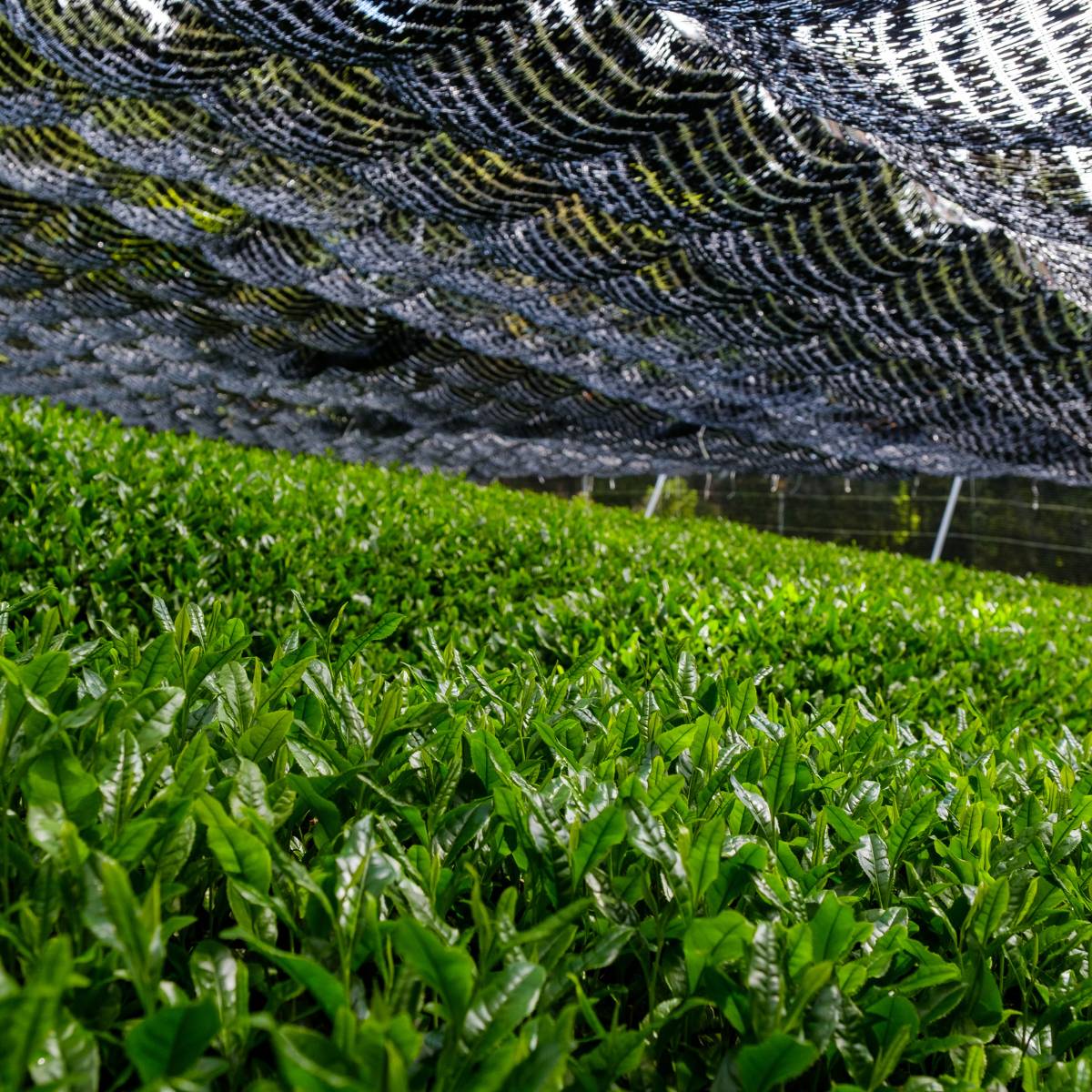
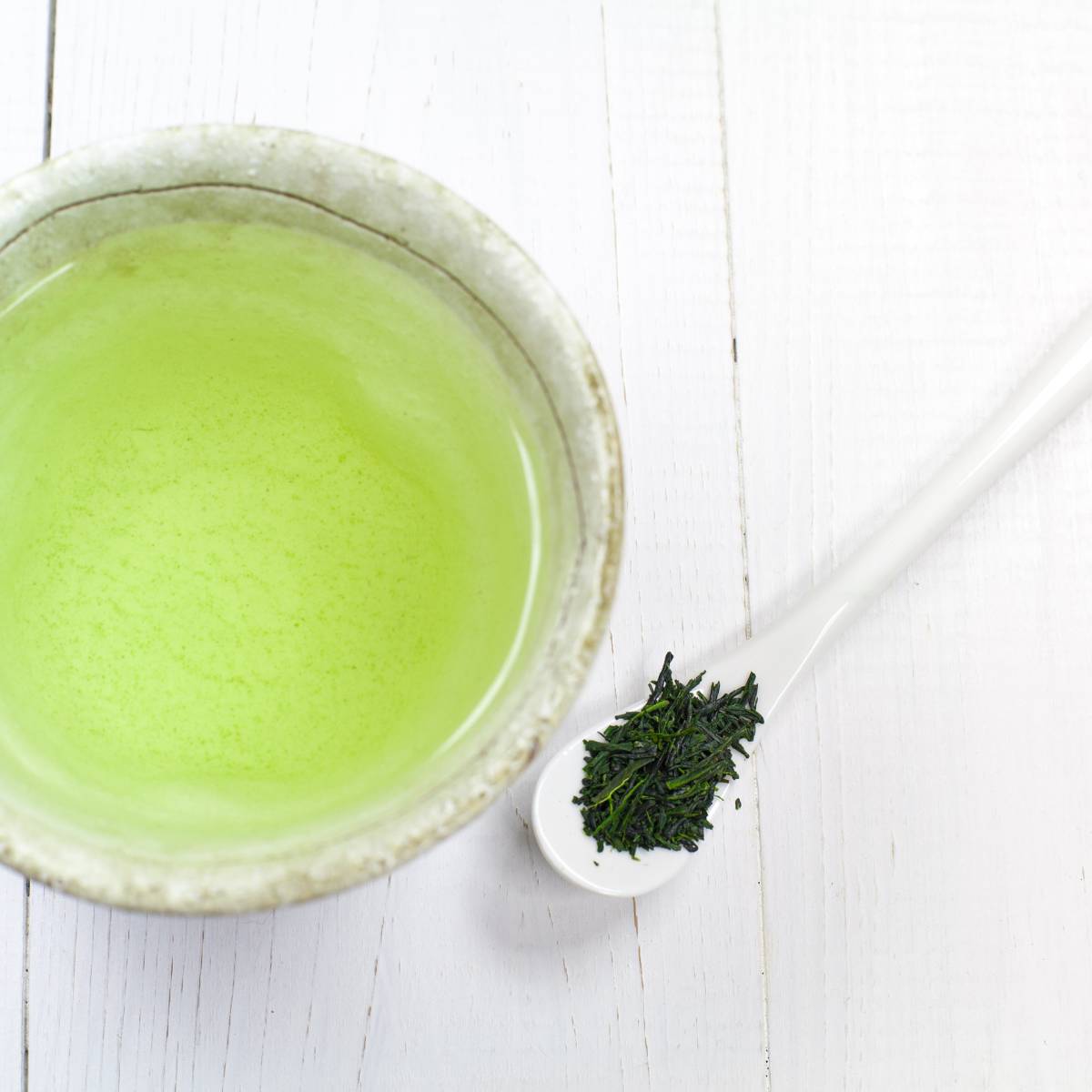
Gyokuro (玉露) translates to “jade dew” or “jewel dew” — a reference to the vibrant, almost luminescent green color of freshly picked shaded leaves. It is a premium Japanese green tea produced by shading the tea plants for 20 to 30 days before harvest, blocking 70 to 90% of sunlight. This extended shade exposure produces a tea with dramatically elevated L-theanine (the amino acid responsible for umami and sweetness), suppressed catechins (the bitter astringent compounds), and higher caffeine levels than any other loose-leaf green tea.
The result is a cup that tastes unlike any other green tea: thick, brothy, deeply savory, almost oceanic — with a sweetness that coats the palate rather than fading quickly. The first time many people taste proper gyokuro, they describe it as “not what I expected from tea at all.” That's accurate.
The Science of Why Gyokuro Tastes the Way It Does
The distinctive character of gyokuro is the direct result of a controlled biological stress response. This is worth understanding properly — not just “shading makes it sweeter” but what actually happens inside the plant when you deny it sunlight for nearly a month.
The Biochemical Cascade Under Shade
When tea plants are covered with shade cloth blocking 70–90% of sunlight, four major changes occur simultaneously:
- Chlorophyll production surges up to 3x. The plant compensates for reduced photosynthesis by overproducing chlorophyll to capture whatever light remains. This is why gyokuro leaves are a striking, deep neon green — the chlorophyll density is extraordinary. Specifically, chlorophyll b concentrations jump up to 1.4 times higher under 85–95% shade conditions compared to unshaded plants.
- L-theanine accumulates substantially. In full sunlight, the amino acid L-theanine is continuously converted into catechins — bitter, astringent compounds that act as the plant's natural UV sunscreen. Shade removes the UV stimulus, so this conversion stops. L-theanine builds up significantly in the leaf. L-theanine is directly responsible for gyokuro's signature sweet, savory, broth-like umami flavor.
- Catechins are suppressed. Fewer catechins = lower bitterness and astringency. A well-brewed gyokuro should have virtually no bitterness — a remarkable quality for a caffeinated beverage.
- Caffeine increases as a defense response. Shade stress signals the plant to produce more caffeine, which functions as a natural insect deterrent. This is why gyokuro has the highest caffeine content of any Japanese loose-leaf green tea — the stress of shading triggers this defense mechanism.
The Ooika: Gyokuro's Signature Oceanic Aroma
Gyokuro has a pronounced ooika (覆い香) — “covered aroma” — that is one of its defining characteristics. This marine, seaweed-like fragrance is the result of dimethyl sulfide (DMS) accumulation. Here's the mechanism:
The shading process causes catechins to break down. This breakdown chain produces aromatic compounds including benzaldehyde (almond/fruit notes) and increases a compound called methylmethionine sulfonium chloride (MMSC). When gyokuro leaves are heated during processing (steaming, rolling, drying), MMSC converts to DMS — the exact chemical compound responsible for the smell of marine seaweed.
This is not a flaw. In Japanese tea culture, the ooika is a prized quality indicator. When you open a tin of good gyokuro and get that wave of oceanic, sweetly green aroma, you're detecting the biochemical signature of proper shading.
The CE/TA Ratio: Why Gyokuro Produces Calm Focus
Researchers have developed a quantifiable measure of a tea's stress-relieving versus stimulating properties: the CE/TA ratio (the molar sum of Caffeine + EGCG divided by Theanine + Arginine). A ratio below 3.0 means the tea's calming amino acids effectively counterbalance the stimulating compounds.
Because gyokuro's shading dramatically boosts L-theanine while suppressing bitter catechins (including EGCG), gyokuro consistently achieves some of the lowest CE/TA ratios of any tea — as low as 0.70 when brewed optimally at 50–60°C. This is the biological explanation for why gyokuro feels calming and focused rather than jittery despite its high caffeine content.
Two important caveats: First, brewing temperature matters enormously. At 90°C, caffeine extraction increases 2.3x and EGCG extraction increases 3x versus 50°C — which would push the ratio past 3.0 and negate the calming effect. Second, L-theanine and arginine exhaust quickly across multiple steeps, while caffeine persists longer. By the third infusion, the CE/TA ratio often exceeds 3.0, meaning the stress-relieving benefit is largely gone even if the liquor still tastes green.
Gyokuro vs. Kabusecha vs. Sencha vs. Matcha: How They Compare
| Tea | Shade Duration | Light Blocked | L-Theanine | Bitterness | Caffeine | Flavor | Price Tier |
|---|---|---|---|---|---|---|---|
| Sencha | None | 0% | Low | Medium | Medium (~25–40mg/cup) | Grassy, bright, vegetal | $ |
| Kabusecha | 7–14 days | ~50% | Medium-High | Low | Medium-High (~30–50mg) | Sweet, umami-tinged, fresh | $$ |
| Gyokuro | 20–30 days | 70–90% | Very High | Near Zero | High (~35–60mg/3oz cup) | Deep umami, marine, brothy | $$$ |
| Matcha (tencha) | 20–60 days | 70–95%+ | Very High | Grade-dependent | High (~70mg/8oz) | Rich, creamy, savory (powder) | $$–$$$$ |
The key distinction between gyokuro and matcha: both are intensively shade-grown, but gyokuro is processed as a rolled needle-shaped loose-leaf tea and brewed conventionally, while matcha is produced from tencha leaves that are destemmed, deveined, and stone-ground into a fine powder. Gyokuro you infuse; matcha you whisk into suspension. The shading science is similar; the processing and brewing are completely different.
Production Regions: Where the Best Gyokuro Comes From
Gyokuro is not made everywhere. Its labor-intensive, precision-dependent production is concentrated in a few regions that have developed deep institutional knowledge of shading cultivation.
Yame (Fukuoka Prefecture)
Yame produces approximately 45% of Japan's total gyokuro output — by far the largest producer. Yame gyokuro is known for its particularly intense, “liquid umami” character — sometimes described as almost soup-like in its savory depth. The region's climate, with misty valleys and moderate humidity, supports the pronounced ooika that defines Yame style.
When serious tea people talk about gyokuro, they're often talking about Yame. It's the gold standard for the style.
Uji (Kyoto Prefecture)
Uji is Japan's most prestigious tea region historically — the birthplace of shaded tea cultivation dating back to the 15th century. Uji gyokuro tends toward more structural, balanced flavor compared to Yame — slightly more refinement, slightly less broth-forward intensity. The traditional honzu shading method (reed and straw mat structures rather than synthetic cloth) is still practiced by some Uji producers, yielding the most complex and expensive gyokuro available.
Note: The 2025 spring frost devastated Uji's tencha production (cutting it by 40% and driving prices up 116%), which has pushed some Uji producers into even more exclusive, premium territory. Uji gyokuro sourced from 2025 or later is increasingly rare and expensive.
Asahina (Shizuoka Prefecture)
Asahina is a rising name in gyokuro circles — a region known for a more delicate, sweet, and modern-style gyokuro profile that competes directly with Uji and Yame but offers a somewhat more accessible price point. Worth seeking out if you encounter it.
The Shading Methods: What Matters for Quality
Gyokuro shading methods divide into three main categories, each producing different quality levels:
- Jikakabuse (direct shading): Synthetic black cloth draped directly over the bushes. Most common method, least expensive. Effective at blocking 70–90% of light. Plants must be trimmed flat for even coverage, which means machine harvesting. Good gyokuro can come from this method, but the top tier rarely does.
- Kanreisha (shelf-style synthetic cloth): A fabric canopy built over the plants that allows natural growth forms and better air/moisture circulation. Enables hand-picking and naturally-shaped (shizen-shitate) bushes, which produce more complex tea. Higher cost, higher ceiling for quality.
- Honzu (traditional reed/straw shading): The most labor-intensive and expensive method, dating back 400+ years. Reed mats and straw structures provide the finest climate control, allowing even light management and superior air circulation. Produces the most complex, expensive gyokuro. The difference in cup quality between honzu and jikakabuse shading is real and significant — honzu gyokuro is worth the premium if you can find it.
Key Gyokuro Cultivars
The tea plant variety (cultivar) significantly shapes gyokuro's flavor. Gyokuro is not a single cultivar — it's a production method applied to various Camellia sinensis varieties:
- Saemidori: The most prized gyokuro cultivar — a cross between Yabukita and Asatsuyu. Produces an intensely sweet, vivid neon-green gyokuro with brilliant color. High frost sensitivity (it buds early), making it vulnerable during spring frost events. When you taste a gyokuro that makes you stop mid-sip, it's often Saemidori.
- Asatsuyu: Sometimes called “natural gyokuro” because even without shading it produces a deeply sweet, umami-forward brew. When properly shaded, Asatsuyu gyokuro is exceptionally concentrated — very low bitterness, maximum savory depth.
- Okumidori: Late-budding (7–8 days later than Yabukita), which means it avoids spring frosts that devastate early-budding cultivars. Produces a creamy, velvety gyokuro with near-zero bitterness. Increasingly important as producers seek frost resilience after 2025.
- Yabukita: The workhorse cultivar (roughly 75% of all Japanese tea). Balanced and reliable for gyokuro — good umami, clean flavor, less frost risk than Saemidori. The dependable baseline rather than the ceiling.
Flavor Profile: What Gyokuro Actually Tastes Like
Gyokuro tastes like concentrated sweet seaweed broth cut with fresh green vegetables — except that description undersells it. The defining character is umami: a thick, coating savory sweetness with depth and length that you don't expect from a beverage.
Good gyokuro has virtually no bitterness or astringency when brewed correctly. The mouthfeel is thick and rounded. The oceanic note is present and characteristic — not overpowering, but unmistakable. There should be a sweetness that persists in the aftertaste for 30+ seconds.
Less good gyokuro (or properly good gyokuro brewed incorrectly with too-hot water) tastes sharp, marine-heavy, and bitter. The seaweed quality can become off-putting when the catechins are over-extracted. This is why brewing temperature is non-negotiable for gyokuro.
How to Brew Gyokuro: The Non-Negotiable Parameters
Gyokuro is the most temperature-sensitive commonly available tea. Getting the temperature wrong is the difference between a transcendent cup and an unpleasant one. The good news: the rules are clear and the technique isn't difficult once you've done it a few times.
| Parameter | Recommended | Why It Matters |
|---|---|---|
| Water temperature | 140–160°F (60–70°C) | L-theanine extracts freely at low temps; catechins and caffeine stay suppressed, preserving the umami-sweet balance |
| Leaf amount | 2–3 tsp (4–5g) per 3–4 oz water | Higher leaf-to-water ratio than sencha — this is a concentrated, small-volume tea |
| Water volume | 3–4 oz (90–120ml) | Traditional gyokuro is brewed in small quantities — more like espresso volume than a full mug |
| Steep time (1st) | 90–120 seconds | Long enough to extract the thick umami character; short enough to avoid catechin extraction |
| Steep time (2nd) | 30–45 seconds | Most amino acids have already eluted; shorter time preserves the remaining sweetness |
| Steep time (3rd) | 60 seconds | Brighter, grassier; useful for a contrast cup |
| Infusions | 2–3 | Amino acids exhaust faster than caffeine; the stress-relieving quality of gyokuro is primarily in infusions 1–2 |
Step-by-Step Brewing Method
- Cool your water to 140–160°F. Boil water, then pour into a secondary vessel (a kyusu or even a mug) and wait 3–5 minutes, or measure with a thermometer. Don't guess — guessing high ruins gyokuro.
- Warm your vessels. Pour the cooling water from your secondary vessel into your teapot and cup to warm them, then discard. This stabilizes temperature during the steep.
- Add leaf. Use more than you'd use for sencha: 4–5g per 90–120ml of water. Gyokuro is small-volume, concentrated brewing.
- Pour and steep. Pour the 140–160°F water slowly over the leaves. Steep 90–120 seconds.
- Drain completely. Pour every last drop from the teapot — leaving tea sitting on leaves causes over-extraction for the second steep.
- Second steep: Use slightly hotter water (160°F), steep 30–45 seconds.
Cold Brew Gyokuro: A Different Experience
Cold brewing gyokuro produces a completely different cup — and an extreme one. With cold or room-temperature water, caffeine and EGCG extract poorly while L-theanine elutes freely. The result is essentially pure umami-sweet amino acid extraction with minimal caffeine or bitterness. The CE/TA ratio drops to its lowest possible point — some cold brews achieve 1.1 or below.
Method: Pack a small teapot or glass container with 5–6g of gyokuro per 120ml of water. Add cold water, seal, and refrigerate for 6–8 hours (or up to 24 hours for maximum concentration). The result is syrupy-sweet, almost savorily rich, with very little caffeine effect. Strain and drink straight.
This is one of the most dramatic demonstrations of how brewing temperature changes the cup — compare hot-brewed and cold-brewed gyokuro side by side once to understand what temperature actually does.
Grades and Quality Indicators
Japan doesn't have a single standardized gyokuro grading system, but quality signals are consistent across producers:
Visual Quality Indicators
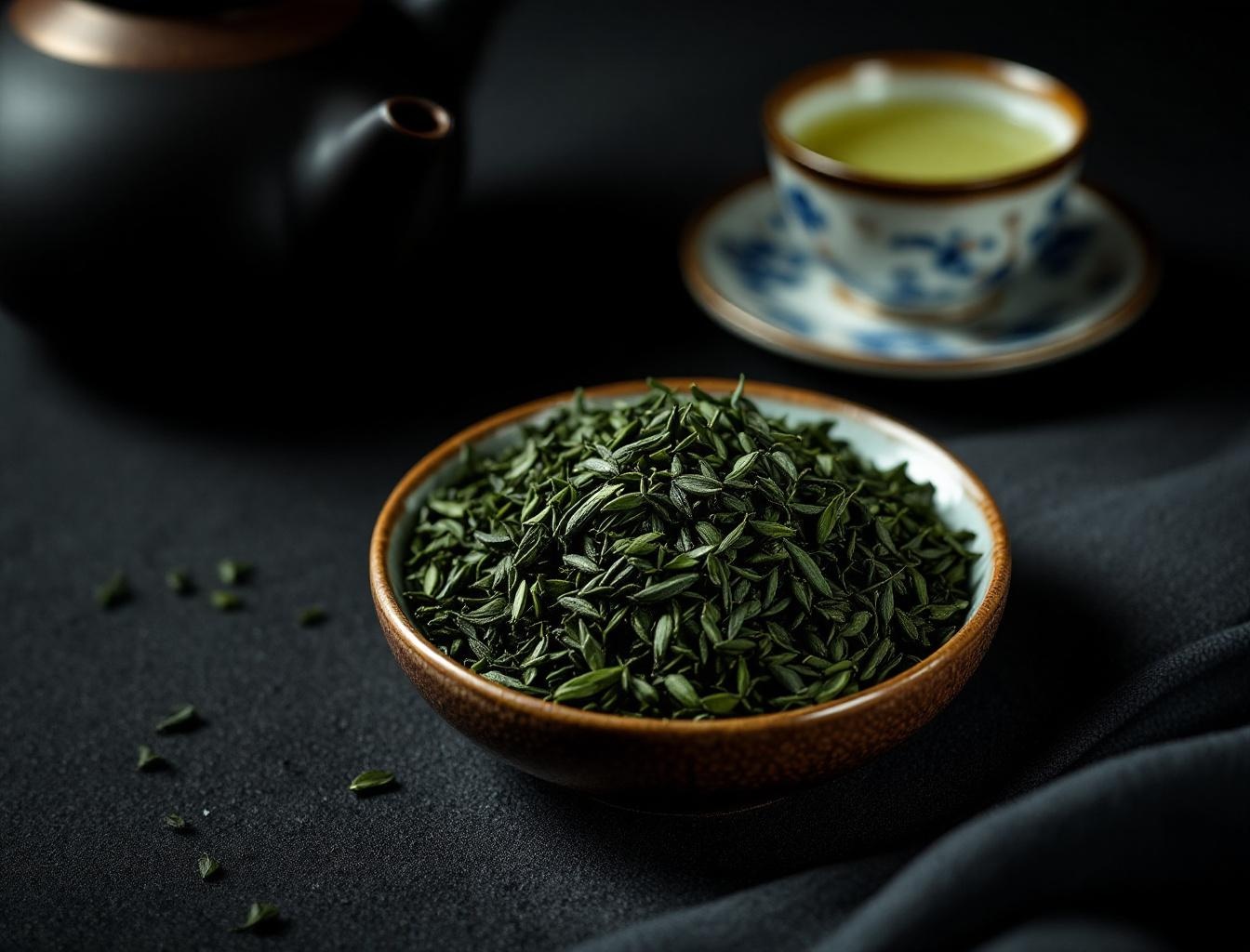
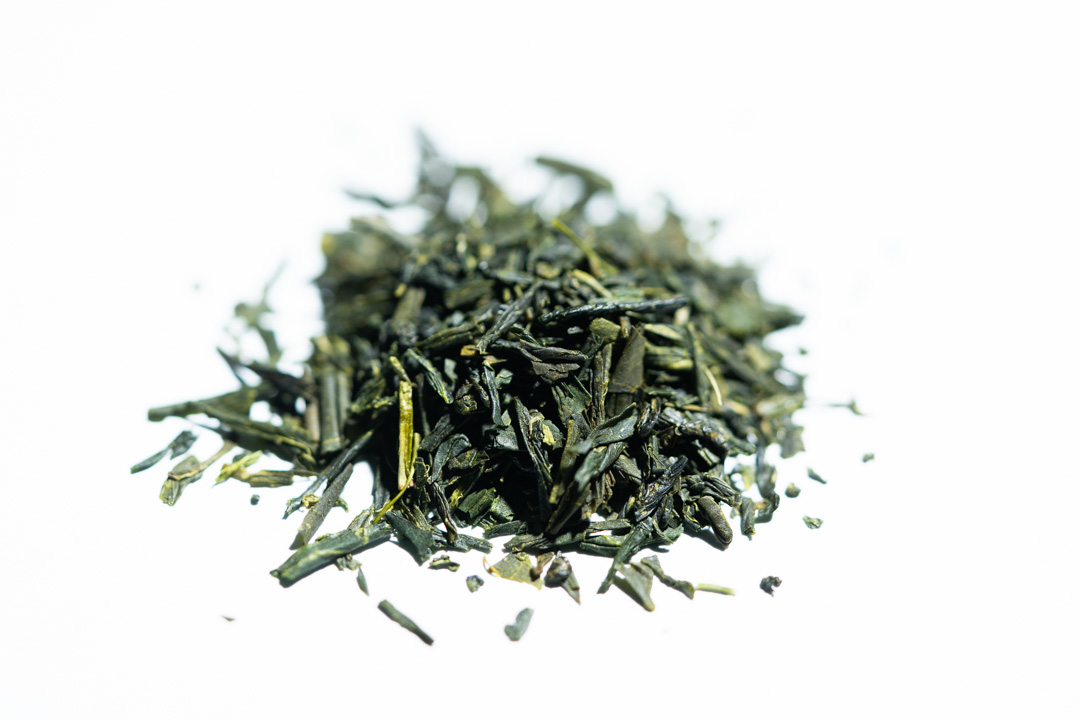
- Color: Premium gyokuro leaves are a very dark, deep emerald-to-jade green — dramatically darker than sencha. Any yellowish, brownish, or pale green cast indicates degradation or inferior shading.
- Needle shape: Gyokuro leaves should be tightly rolled into flat, uniform needles. Broken or irregular leaf suggests lower grade or rough handling.
- Lustre: Good gyokuro leaves have a slight sheen — not matte. This indicates proper moisture content and processing.
Aroma Quality Indicators
- Fresh gyokuro should smell of sweet seaweed and fresh green vegetables with a pronounced marine quality (ooika). This is not subtle in good gyokuro.
- A flat, dusty, or hay-like aroma means the tea has oxidized. Walk away.
- Overly sharp or chemical aroma can indicate storage near other strong-smelling items (tea absorbs odors).
What Price Signals for Gyokuro
Genuine premium gyokuro from Yame, Uji, or Asahina costs meaningfully more than standard sencha — typically $30–80 per 100g for quality single-origin loose leaf. Very cheap “gyokuro” (under $15/100g) is almost certainly blended with lower-grade leaf or produced with inadequate shading duration. The production cost of proper 20–30 day shading with skilled hand-harvesting is real — the price reflects it.
How to Store Gyokuro
Gyokuro is particularly perishable among Japanese teas because its elevated L-theanine and chlorophyll content are sensitive to oxidation. The same compounds that make it taste extraordinary make it degrade faster than sencha.
- Container: Sealed, opaque tin or vacuum-sealed pouch. Never glass (UV exposure), never zip-top bag (not airtight).
- Temperature: Cool and dark. Refrigeration (not freezer) is acceptable for unopened stock. Once opened, use within 2–3 weeks for peak flavor — the amino acid profile that makes gyokuro worth the price begins degrading once exposed to oxygen.
- Away from odors: Tea, especially shade-grown tea with its complex aromatic profile, absorbs ambient smells aggressively. Don't store near coffee, spices, or perfumed items.
- Harvest date matters: First flush (shincha) gyokuro from May is peak. Buy close to the harvest date and drink within the season.
Frequently Asked Questions About Gyokuro
Why does gyokuro cost so much more than other green teas?
Three compounding factors: 20–30 days of shade structure maintenance (labor + materials), hand-picking (shading makes the plants grow irregularly, making machine harvesting difficult for premium grades), and dramatically lower per-acre yield compared to sencha. The shading process stresses the plant in ways that reduce total leaf output while increasing the quality of the leaves that do grow. You're paying for time, labor, and scarcity.
How much caffeine does gyokuro have?
Typically 35–60mg per 3–4oz serving — notably higher than sencha because shading stress triggers increased caffeine production as a pest deterrent. However, the high L-theanine content significantly modulates the caffeine effect. Most gyokuro drinkers report calm focus rather than jitteriness even at these caffeine levels, which is exactly what the CE/TA ratio science predicts. The ratio between the calming and stimulating compounds explains the experience.
Does gyokuro really taste like seaweed?
There's a pronounced marine, oceanic quality — the ooika — that comes from dimethyl sulfide produced during processing of shaded leaves. “Seaweed” is a fair description for first-timers, but experienced gyokuro drinkers prefer “marine” or “oceanic” since it's more like the crisp smell of the ocean than the specific flavor of nori. The savory, brothy quality tends to dominate the flavor, with the marine note as background. First-timers sometimes need a second cup to appreciate it; the third cup usually converts them.
What's the difference between gyokuro and matcha?
Both are shade-grown for similar durations (20–60 days for matcha, 20–30 for gyokuro) and have similar biochemical profiles — high L-theanine, high caffeine, low catechins. The difference is processing: gyokuro leaves are rolled into needles for infusion; tencha (raw matcha material) is destemmed, deveined, and stone-ground into fine powder that you whisk into suspension in water. Gyokuro you infuse and discard the leaves; matcha you consume the entire leaf as suspended powder. Both are premium products with similar health profiles; the preparation and flavor experience differ significantly.
Can I brew gyokuro with boiling water?
Technically yes; the result is an unpleasant, bitter cup that tastes like nothing you'd want to drink again. At 90°C, catechin extraction increases 3x and caffeine extraction increases 2.3x compared to 60°C — completely overriding the L-theanine-forward sweetness and making the CE/TA ratio spike past 3.0. If you only have access to boiling water and can't cool it properly, it's better to wait 5–7 minutes for the water to cool before attempting gyokuro than to brew with boiling water.
How many times can I reuse gyokuro leaves?
2–3 infusions is the realistic answer. The first and second steeps are where the magic happens — amino acids, ooika aromatic compounds, and the brothy character are concentrated in early infusions. By the third steep, L-theanine and arginine are largely depleted; the tea tastes greener and lighter, more like sencha. Beyond three steeps, you're mostly extracting water-soluble compounds that don't contribute meaningfully. The spent leaves are edible — some Japanese practices involve eating the unfurled gyokuro leaves with a light dressing as a side dish.
What food pairs well with gyokuro?
The umami-forward, savory-sweet character of gyokuro pairs best with foods that complement rather than compete with it. Excellent pairings include light Japanese sweets (wagashi — particularly mochi and yokan), mild cheeses, oysters and seafood, white fish sashimi, and rice crackers. Avoid heavily spiced or sweet foods that will mask the delicate flavor. The brothy quality makes gyokuro work well as an accompaniment to a light Japanese meal in the same way you might pair a fine wine.
Is gyokuro suitable for vegans and people with dietary restrictions?
Gyokuro is pure dried tea leaf — no additives, no animal products, naturally gluten-free. As with any whole food, those with severe cross-contamination sensitivities should verify the processing facility, but the tea itself contains nothing animal-derived or allergenic. It's also naturally low in oxalates compared to black tea, though it should be consumed as a beverage rather than as a treatment for any health condition.
What is the difference between gyokuro and kabusecha?
Duration and intensity of shading, primarily. Kabusecha is shaded for 7–14 days at roughly 50% light reduction; gyokuro is shaded for 20–30 days at 70–90% light reduction. The result: gyokuro has significantly more L-theanine accumulation, more pronounced ooika, deeper umami, higher caffeine, and near-zero bitterness. Kabusecha is a gentler, more accessible intermediate — sweeter and more complex than sencha but approachable in the way gyokuro isn't for most new drinkers. Gyokuro is also substantially more expensive because the longer shading period requires more maintenance and typically demands hand-picking.
Does gyokuro need to be brewed in a kyusu?
No. A kyusu (Japanese side-handle teapot) is optimal because its design allows for complete drainage and its ceramic/clay materials provide good temperature stability. But a small teapot with a built-in strainer, a standard teapot with an infuser basket, or even a glass pitcher work fine. What matters is the water temperature and complete drainage between steeps — not the vessel style. The romantic appeal of a kyusu is real; the functionality is what matters.
Where is the best gyokuro produced?
Yame (Fukuoka Prefecture) produces 45% of Japan's gyokuro and is widely considered the benchmark for the brothy, intense umami style. Uji (Kyoto) produces the most historically prestigious gyokuro with more structural, refined flavor — and, increasingly, at very high prices due to production constraints. Asahina (Shizuoka) is worth exploring for a more delicate, modern-style gyokuro at potentially better value. For a first purchase, a good-quality Yame gyokuro gives you the most unambiguous expression of what the style is.
Want to try some? Organic Gyokuro (Shade Grown Japanese Green Tea) 100g is available in the shop. For a broader introduction to Japanese green tea styles, start with the Japanese tea guide or our beginner's guide to Japanese tea.
Related: Kabusecha — The Midpoint Between Sencha and Gyokuro | 15 Tips to Make the Perfect Cup of Japanese Tea | Do Japanese Drink Green Tea at Night?