What are Noren? A Comprehensive Guide to Japanese Curtains
What are noren? If you've ever wandered through the streets of Kyoto, Tokyo, or any Japanese city, you've seen them — those elegant split fabric curtains hanging in doorways, gently swaying with the breeze. Noren (暖簾) are far more than decorative cloth. They are a living symbol of Japanese culture, blending centuries of tradition with practical design that translates beautifully into modern homes worldwide. You can learn more about Japanese doorway curtains and their cultural significance in our dedicated guide.
KEY TAKEAWAYS:
- Noren are split fabric curtains originating in China and perfected in Japan during the Heian period (794-1185), combining function with artistic cultural expression.
- They serve dual purposes: practical space division with light filtration and airflow, plus symbolic roles communicating business status, welcome, and cultural meaning.
- Five main types exist (Naga-noren, Han-noren, Mizu-hiki, Jiman-noren, Nawa-noren), each suited to different settings from casual izakaya to formal ryokan.
- Modern interiors benefit from noren as flexible room dividers, home office boundaries, and textile art that complement any design style—not limited to Japanese homes.
- Hand-dyed and Made in Japan noren support traditional artisans while offering superior craftsmanship; modern synthetics provide durability for high-traffic and outdoor use.
Last updated: June 2026
As someone deeply immersed in Japanese textiles and home decor, I'm often asked what makes noren so special. The answer lies in the remarkable way these curtains bridge the gap between function and art, between public and private space, and between ancient tradition and contemporary living. Let's explore everything you need to know.
🍵 Building a Japanese home? Take our 60-second quiz: Match Your Perfect Japanese Teaware
Get a personalized recommendation — plus a discount code for your first order.
Table of Contents
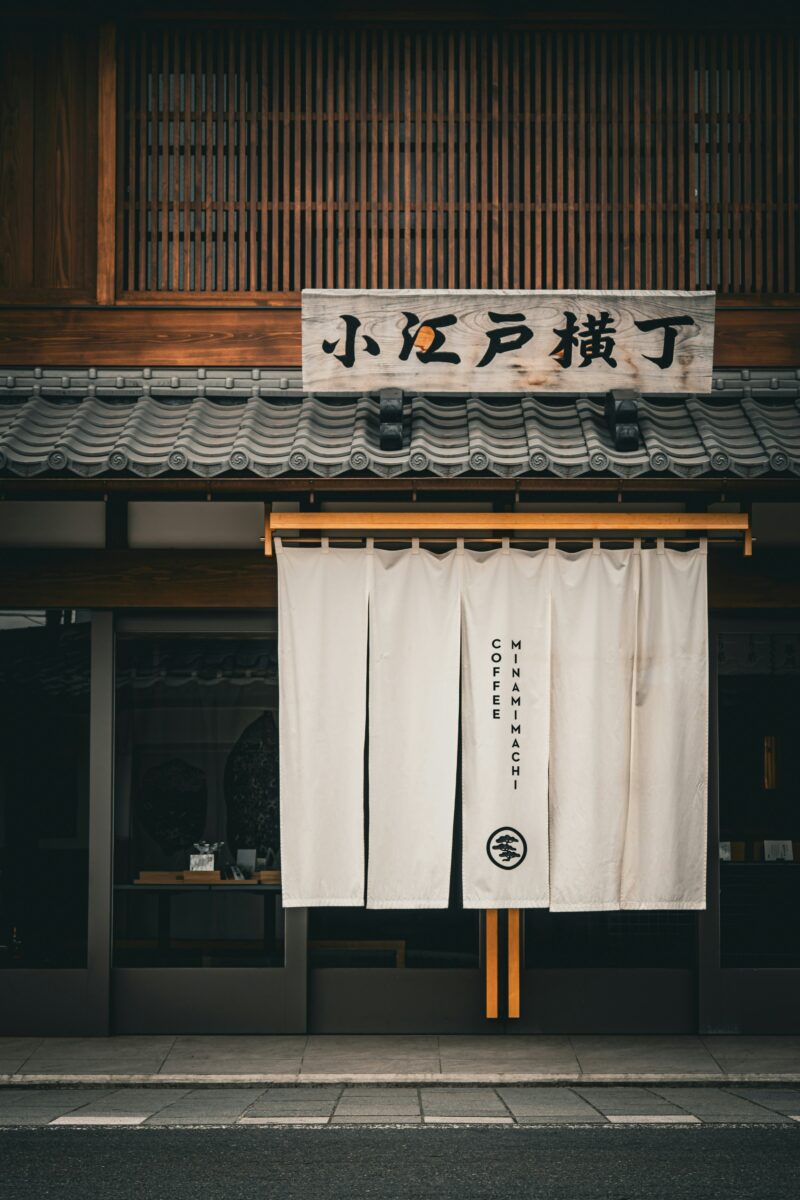
The visual below illustrates a classic indigo-dyed noren curtain hanging in a traditional Japanese storefront, demonstrating the curtain's characteristic split-panel form.
What Is the History of Noren: From China to Japan?
Noren originated in China and arrived in Japan during the Heian period (794-1185), where they evolved into a distinctly Japanese cultural artifact. In their earliest form, they were simple barriers woven from miscanthus (susuki), reeds, rice straw, and bamboo, hung at house entrances to block wind, rain, and dust. The Japanese word “noren” itself comes from the characters 暖 (warmth) and 簾 (bamboo blind), reflecting their original purpose as insulation.
The term became widespread during the Kamakura period (1185-1333), when merchants began hanging noren at their shop entrances. These fabric panels displayed the store's name, family crest (kamon), or specialty, functioning as both advertisement and identity marker.
By the Edo period (1603-1868), noren had become deeply embedded in Japanese commercial culture.[Heiss & Heiss, 2007] A fascinating historical detail: at popular restaurants, a dirtier noren actually indicated success — patrons would wipe their hands on the curtain as they left, so well-worn fabric was a badge of popularity. The expression “noren wo kuguru” (暖簾をくぐる, “to pass through the noren“) came to mean patronizing a business, while “noren wo wakeru” (暖簾を分ける, “to divide the noren“) meant granting a trusted employee the right to open a branch under the same name — essentially the original Japanese franchise system.
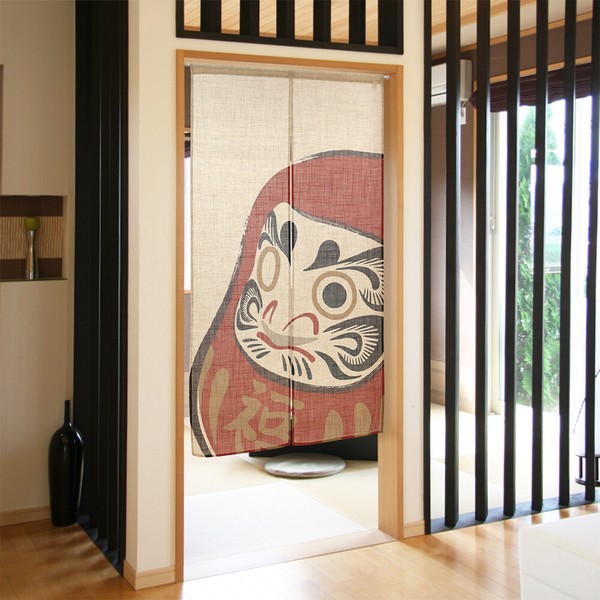
Noren Japanese Curtain – Red Daruma
Best for: Housewarming gifts, entryways, spaces invoking resilience and good fortune
The daruma is one of Japan's most recognized good-luck symbols. This vibrant red noren captures the spirit of perseverance and resilience that has defined Japanese culture for centuries.
Noren Etiquette: The Unwritten Rules
In Japan, noren carry a quiet social language that visitors and residents should understand — a hung noren signals openness and welcome, while its removal or condition communicates important cultural messages about a space's formality and character.
- Noren hung outside means a business is open. When the noren is taken down, the shop is closed. This is why you'll see staff carefully hanging noren each morning and taking them in at closing — it's a daily ritual.
- Passing through a noren is an invitation. In homes, entering through a noren signals that you are welcome in the space beyond. You gently push the panels aside with the back of your hand, ducking slightly as you pass.
- At onsen (hot springs) and sento (public baths), noren mark the entrance and separate the men's and women's bathing areas. The color often signals which is which — blue for men, red for women, though this can vary.
- In tea houses and restaurants, the style and condition of the noren communicates the establishment's character. A pristine, elegant noren suggests formality, while a well-weathered one implies a longstanding, beloved establishment.
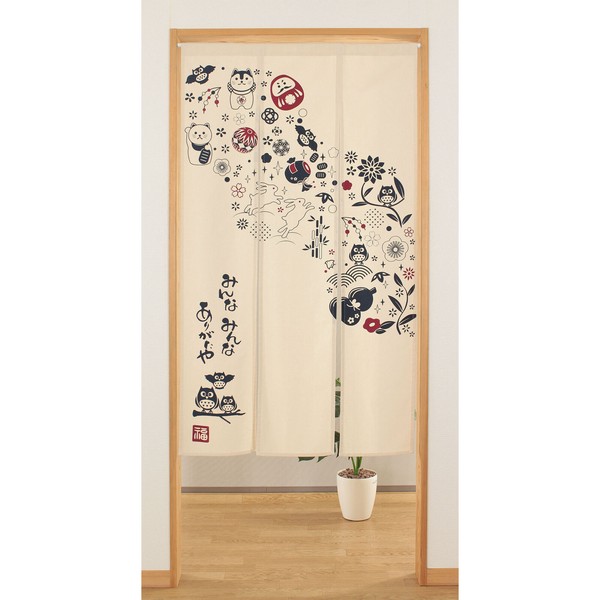
Noren Curtain – Beckoning Cat Daruma – Owl Rabbit
Best for: Retail shops, restaurants, welcoming entryways, prosperity-focused spaces
This noren combines four of Japan's most beloved lucky symbols — the beckoning cat, daruma, owl, and rabbit — each carrying its own cultural significance and traditional meaning.
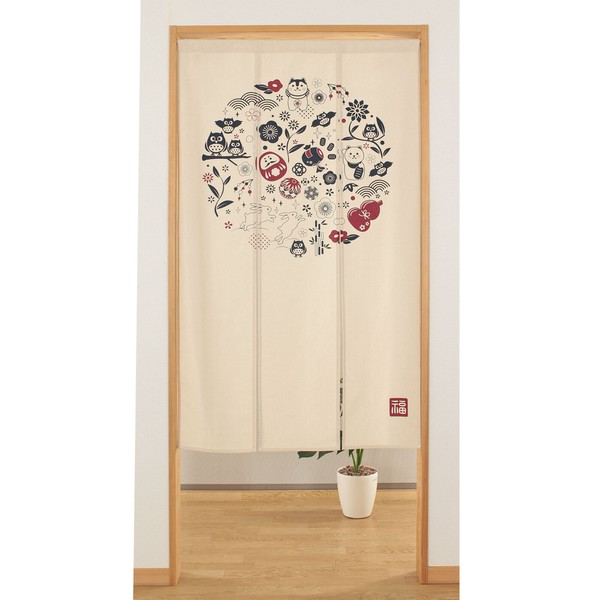
Noren Curtain – Circle Cat Daruma – Owl Rabbit
Best for: Zen interiors, minimalist spaces, symbolic home decor
A companion design featuring the same auspicious motifs arranged in circular medallions, reflecting the Japanese aesthetic of enclosing meaningful symbols within the enso form.
What Are the Types of Noren?
Noren come in five distinct styles, each suited to different purposes, from full-length formal installations to casual rope variants in informal establishments.
| Type | Japanese Name | Description | Best Used In |
|---|---|---|---|
| Long Noren | Naga-noren (長暖簾) | Full-length curtains from ceiling to near floor, offering maximum privacy and concealment | Ryokan, upscale restaurants, formal entries |
| Half Noren | Han-noren (半暖簾) | Most common type; covers roughly half the doorway, allowing foot visibility while screening upper portion | Commercial shops, casual restaurants, homes |
| Water-Flow Noren | Mizu-hiki Noren (水引暖簾) | Narrow, closely-spaced panels resembling water flowing downward, creating visual impressiveness | High-end kaiseki restaurants, formal tea houses |
| Pride Noren | Jiman-noren (自慢暖簾) | Decorative panels showcasing business heritage, founding year, origin story, or awards | Established businesses, restaurants with history |
| Rope Noren | Nawa-noren (縄暖簾) | Made from thick rope rather than fabric; rustic and textural appearance | Izakaya, casual eateries, informal establishments |
Detailed Descriptions
Naga-noren (長暖簾) — Long Noren
These full-length curtains hang from ceiling to near the floor, offering maximum privacy. They're common at ryokan (traditional inns) and upscale restaurants, creating a dramatic entrance that conceals the interior from street view.
Han-noren (半暖簾) — Half Noren
The most common type, hanging roughly halfway down the doorway. They allow you to see the feet of people passing by while screening the upper portion of the room. Most commercial noren fall into this category.
Mizu-hiki Noren (水引暖簾)
These narrow, closely spaced panels resemble water flowing down. They are often used in high-end Japanese restaurants and kaiseki establishments, creating an impression of refinement.
Jiman-noren (自慢暖簾) — Pride Noren
Decorative noren that showcase a business's heritage, sometimes displayed alongside the main noren. They typically feature the shop's founding year, origin story, or awards.
Nawa-noren (縄暖簾) — Rope Noren
Made from thick rope rather than fabric, these are associated with izakaya (Japanese pubs) and casual eateries. The rustic texture signals an informal, welcoming atmosphere.
Browse our collection of authentic Japanese noren:
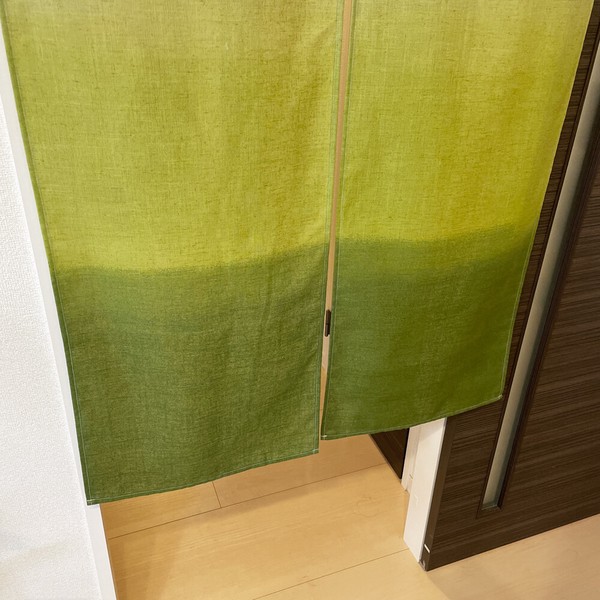
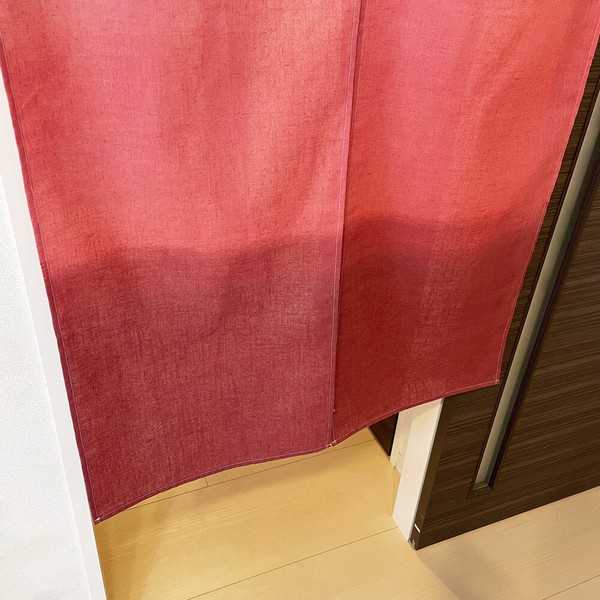
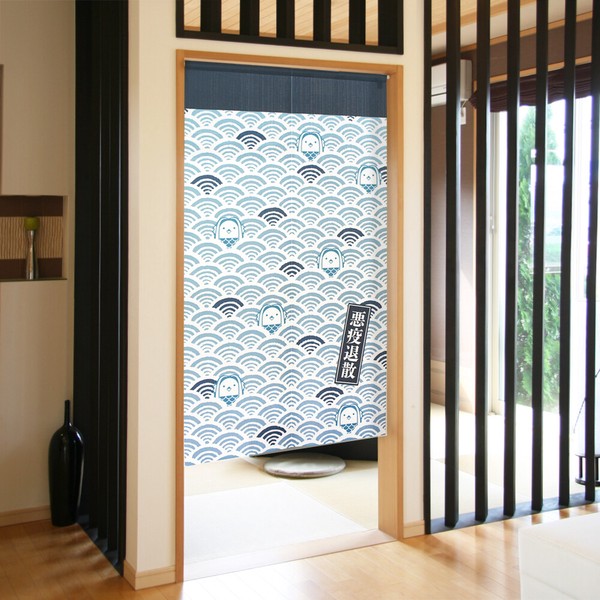
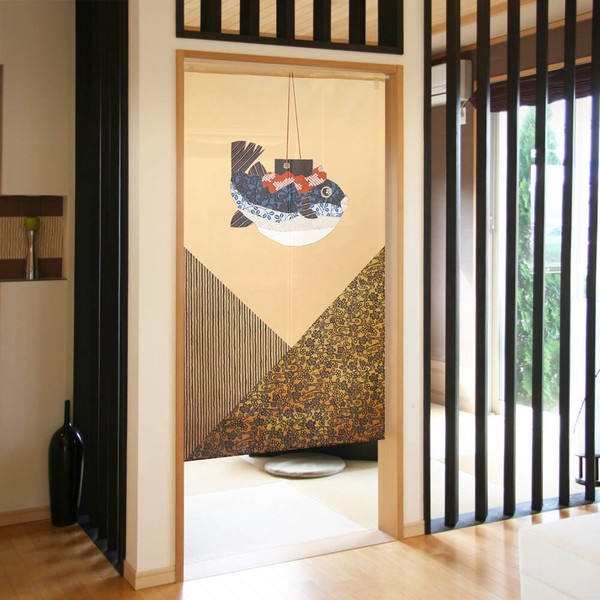
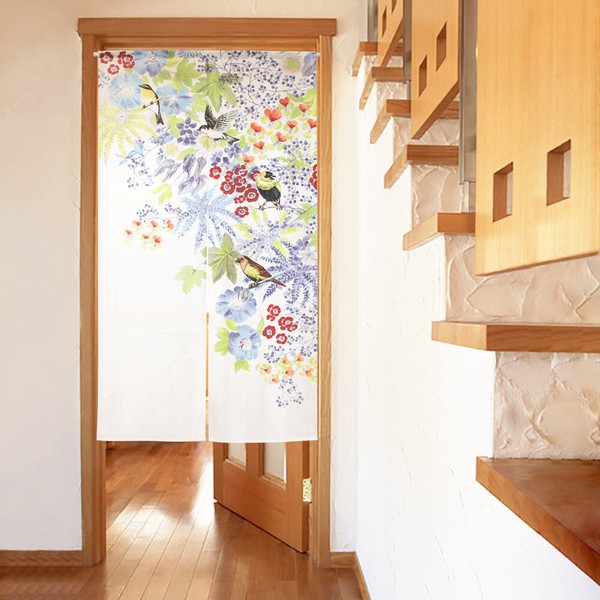
As shown in the following selection of noren styles, these curtains vary widely in color, pattern, and panel arrangement to suit different interiors and occasions.
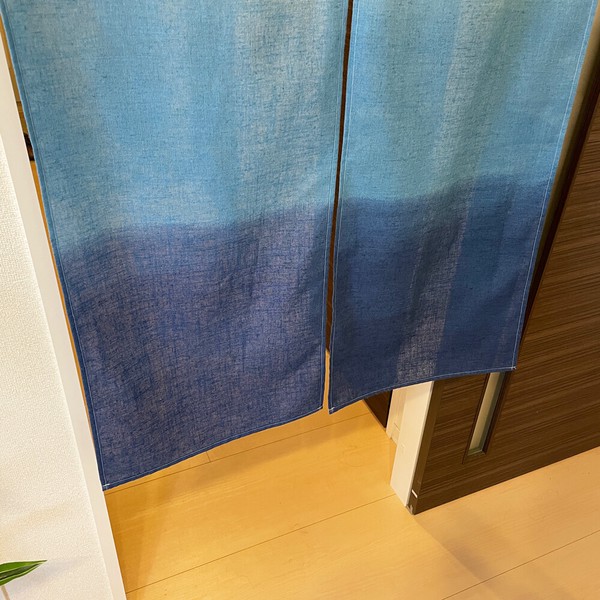
What Materials and Craftsmanship Define Authentic Noren?
The material of a noren defines its character, durability, longevity, and the way light plays through its panels — natural fibers like cotton and linen age beautifully and support traditional craftspeople, while modern synthetics offer practicality for high-traffic environments.
| Material | Characteristics | Best For | Care |
|---|---|---|---|
| Cotton (綿) | Breathable, absorbs dye well, softens with age, traditional choice | Indoor use, natural dye applications, home spaces | Hand wash recommended, develops pleasing patina |
| Linen/Hemp (麻) | Refined texture, natural stiffness, holds shape, formal appearance | Formal spaces, upscale rooms, display pieces | Hand wash, benefits from careful pressing |
| Silk (絹) | Luxurious luster, delicate, high-end aesthetic | Ryokan, tea rooms, formal ceremonies, collectible noren | Hand wash only, professional cleaning for valuables |
| Polyester | Fade-resistant, durable, water-resistant, low maintenance | Outdoor use, high-traffic areas, commercial spaces | Machine washable, no special care needed |
| Cotton-Polyester Blend | Combines aesthetic warmth with synthetic durability | Home use, moderate traffic, budget-conscious buyers | Machine or hand wash, moderate ironing |
Traditional Dyeing Techniques
Authentic Japanese noren are often crafted using centuries-old dyeing methods that create unique, beautiful variations:
- Aizome (藍染) — Indigo dyeing, Japan's most iconic textile art. The deep blue color is antimicrobial and insect-repellent, historically favored for noren.
- Katazome (型染) — Stencil dyeing using rice paste resist. Creates crisp, detailed patterns with precise color blocks.
- Shibori (絞り) — The Japanese tie-dye technique that creates organic, flowing patterns. Particularly beautiful when backlit.
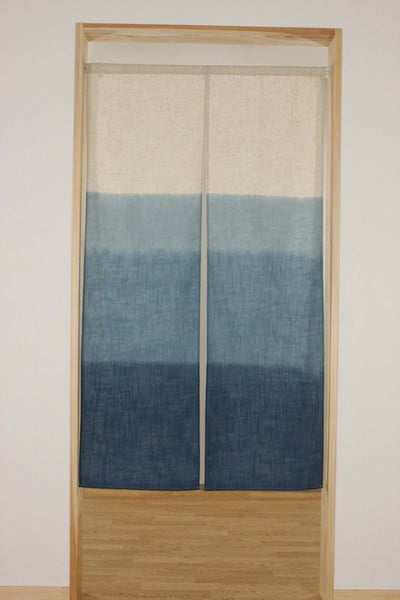
Hand-Printed Linen Noren – Blue Symbol of Serenity
Best for: Minimalist interiors, formal spaces, artisan home decor
Crafted from natural linen with hand-printed motifs, this noren showcases the refined texture and natural stiffness that makes linen a prized material for traditional Japanese curtains.
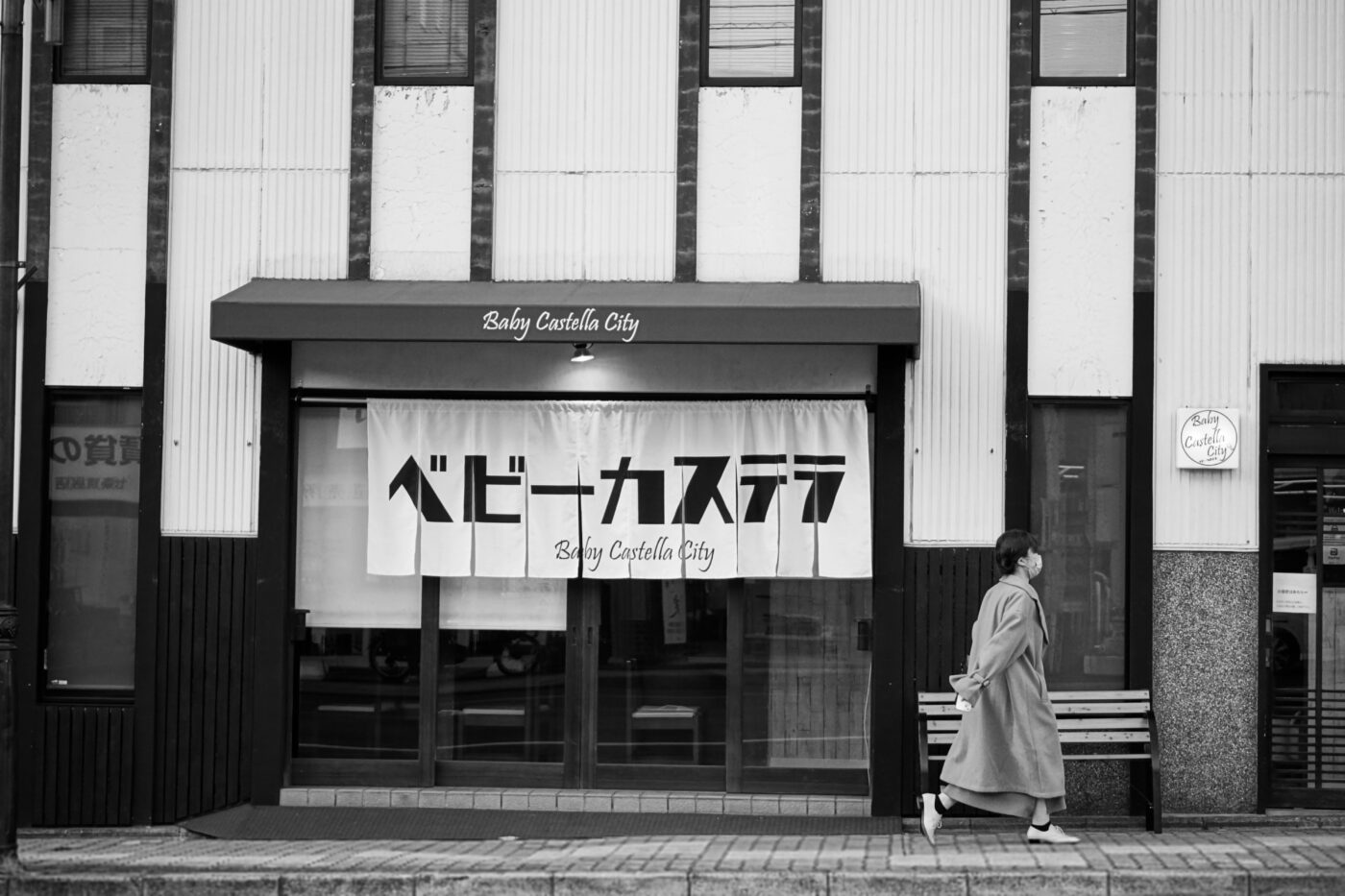
The visual below illustrates multiple colorful noren displayed across a traditional Japanese alleyway, showing how these curtains signal open businesses and reinforce cultural street identity.
Noren Symbolism and Design
The designs on noren carry meaning far beyond decoration, with each motif representing specific cultural values, wishes for prosperity, or seasonal transitions in Japanese tradition.[Heiss & Heiss, 2007]
- Kamon (家紋, family crests) — Businesses display their family crest to signal heritage and lineage.
- Seasonal motifs — Cherry blossoms (spring), waves and goldfish (summer), maple leaves (autumn), pine branches (winter). Our cherry blossom noren is a customer favorite.
- Kanji characters — Public baths display 男 (men) and 女 (women). Restaurants may show 寿司 (sushi), 蕎麦 (soba), or 酒 (sake).
- Enso (円相) — The Zen circle symbolizing enlightenment. Enso noren bring a contemplative aesthetic.
- Daruma — Representing perseverance and good luck. Daruma noren are popular as housewarming gifts.
- Maneki-neko (beckoning cat) — Symbolizes prosperity. Beckoning cat noren are a cheerful choice for entryways.
The number of panels also carries significance. Business noren typically have two or three panels for easy passage, while decorative home noren may have a single panel or many narrow slits.
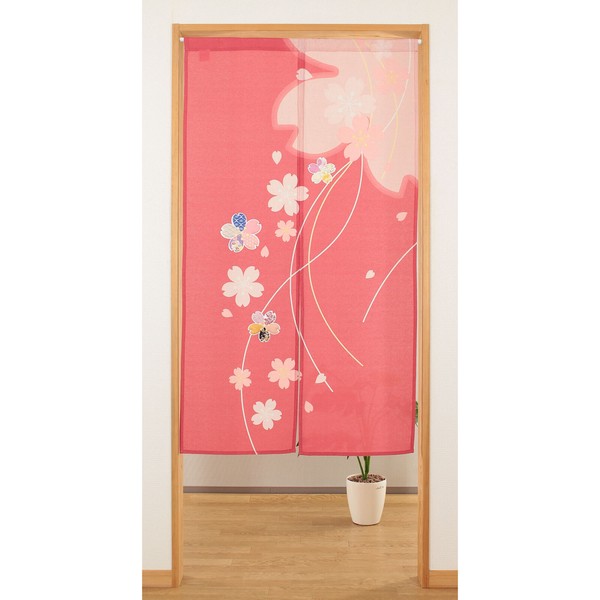
Noren Curtain – Cherry Blossoms Sakura
Best for: Spring decor, meditation spaces, seasonal home updates
Cherry blossoms represent the fleeting beauty of life — a core concept in Japanese philosophy. This sakura noren brings that seasonal elegance into your home year-round.
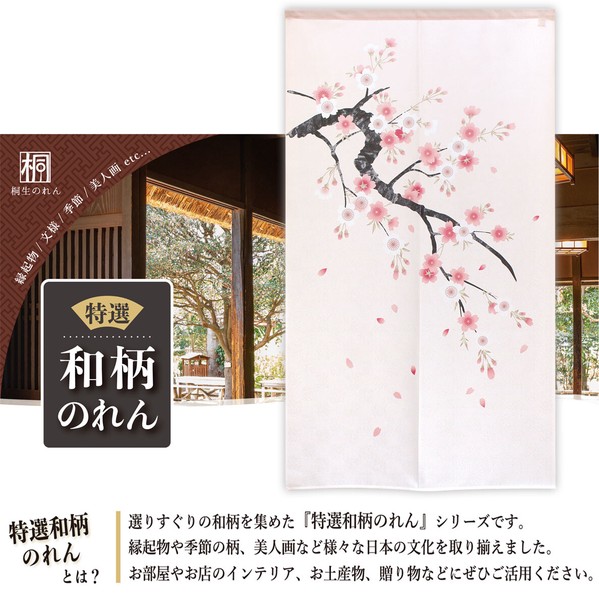
Japanese Cherry Blossoms (Sakura) Noren in Pink
Best for: Warm interiors, contemporary spaces, gift-giving
A softer interpretation of the sakura motif in pink tones, well-suited for spaces where you want to add warmth and a touch of natural Japanese beauty.
What Are the Benefits of Noren for Your Home?
Noren offer a unique combination of practical benefits that modern home design increasingly recognizes as valuable alternatives to rigid walls and heavy doors.
Space Division Without Walls
Noren serve as flexible room dividers that create semi-private spaces while maintaining airflow and visual openness. Unlike solid doors or walls, they define boundaries softly — you can separate your kitchen from your dining area, create a private reading nook, or screen a home office, all without permanent construction.
Light Filtration and Airflow
The split panel design allows natural light to pass through while diffusing it gently. Fabric noren also maintain air circulation — crucial in Japan's humid summers, and equally valuable in modern homes where open floor plans can feel cavernous without some visual separation.
Privacy Without Isolation
A noren screens a doorway while still allowing sound and conversation to flow freely. This is the core Japanese philosophy behind the design: connection and separation coexist.
UV and Dust Protection
Hung in doorways or windows, noren shield interior spaces from direct sunlight and airborne dust. This was one of their original functions, and it remains just as relevant today.
Instant Atmosphere
A single noren can transform a doorway from forgettable to striking. Whether you choose a traditional indigo design or a modern zen-inspired piece, noren add character with minimal effort.
Seasonal Refresh
In Japan, swapping noren with the seasons is a beloved tradition. Lighter fabrics and brighter colors for spring and summer, heavier fabrics and deeper hues for autumn and winter. For more, see our guide on deeper cultural insights.
Cherry Blossom Sakura Noren in Pink — Made in Japan
Best for: Bright entryways, spring and summer refreshes, soft contemplative spaces
A softer companion to a bold doorway piece, this Made-in-Japan sakura noren in pink brings the gentle seasonal feeling of cherry-blossom season indoors — ideal when you want atmosphere without a heavy visual statement.
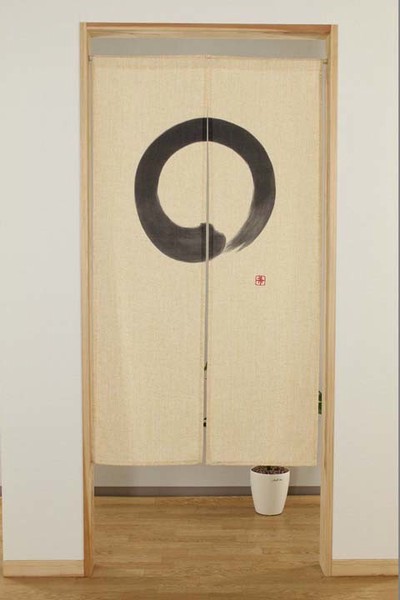
Enso Noren – Japanese Curtain of Togetherness
Best for: Zen practice spaces, minimalist bedrooms, spiritual home decor
This enso noren embodies the Zen concept of mu (emptiness) — the open circle suggesting completeness through what is left unsaid. Ideal for meditation spaces or minimalist interiors.
Noren in Modern Interior Design
While rooted in Japanese tradition, noren have found enthusiastic adoption in contemporary Western interiors, adapting beautifully to Scandinavian minimalism, bohemian spaces, and modern open-plan homes.
Studio Apartment Division
In small living spaces, noren brilliantly separate sleeping areas from living areas, or kitchens from dining spaces, without eating up precious square footage or blocking light.
Kitchen and Dining Separation
A noren between kitchen and dining area screens cooking activity from guests while keeping conversation flowing. The fabric also helps contain cooking odors.
Home Office Privacy
Working from home? A noren creates a psychological boundary between work and personal space — a simple ritual that helps maintain work-life balance.
Closet and Storage Concealment
Replace closet doors with noren for a softer, more accessible storage solution. This works especially well in laundry rooms, pantries, and walk-in closets.
Wall Art
Hung flat against a wall, a beautiful noren doubles as textile art. This is particularly effective with shibori-dyed or hand-painted designs.
Patio and Outdoor Screens
Weather-resistant polyester noren work beautifully on covered patios, balconies, and pergolas.
Pairing with Japanese Decor
For a cohesive Japanese aesthetic, pair your noren with zabuton floor cushions, tatami mats, shoji screens, or Kutani ware ceramics. See our guide on creative ways to display collectibles with noren curtains.
Feng Shui Applications
In feng shui practice, noren can guide the flow of energy (chi) through a space. Placed at the entrance to a long hallway, they slow and redirect energy that would otherwise rush through too quickly.
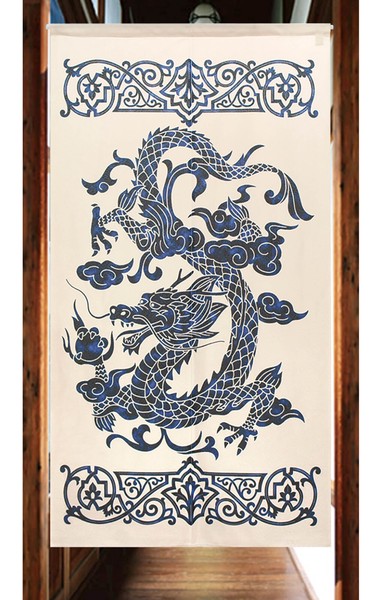
Noren Japanese Curtains: Blue Dragon Elegance
Best for: Creating focal points, traditional Japanese spaces, protection-focused interiors
In Japanese mythology, the dragon symbolizes strength, wisdom, and protection. This indigo-toned noren brings a powerful yet refined presence to any doorway.
DIY Noren: Crafting Your Own
For the creatively inclined, making your own noren is a rewarding project that requires only basic sewing skills and allows complete personalization to your space and aesthetic.
Materials You'll Need
- Fabric of your choice (cotton or linen recommended for beginners)
- A tension rod, curtain rod, or dedicated noren rod
- Scissors, measuring tape, pins, sewing machine or needle and thread
- Optional: fabric dye, stencils, or fabric paint for decoration

Noren Curtain Rod Extendable 40-105cm
Best for: DIY projects, rentals, easy installation without drilling
This adjustable rod extends from 40 to 105 cm, fitting standard doorways without drilling. A proper noren rod provides the clean, traditional look that tension rods cannot match.
Basic Steps
- Measure your doorway — Width and desired drop length. Standard noren are about 85 cm (33.5 in) wide and 150 cm (59 in) long.
- Cut your panels — A two-panel noren needs two equal-width pieces. Add 2-3 cm seam allowance.
- Hem the edges — Fold and sew a clean hem on the sides and bottom of each panel.
- Create the rod pocket — Fold the top edge over by 5-6 cm and sew to create a channel.
- Decorate — Add your own designs using fabric paint, stencils, or natural dyes.
- Hang and enjoy — Slide the panels onto the rod and install.
The beauty of a DIY noren is personalization. You can match it to your existing decor, create something meaningful with hand-stamped designs, or even use vintage fabric for a one-of-a-kind piece.
Noren Buying Guide
Size and Fit
Standard noren dimensions are approximately 85 cm wide x 150 cm long (33.5 x 59 in). Unlike Western curtains, noren should fit snugly within their frame — they should not bunch or drape to the sides.
Indoor vs. Outdoor
For outdoor use, choose polyester or synthetic blends for fade resistance. For indoor use, cotton or linen offers superior aesthetics.
Purpose
- Room division — Choose opaque fabrics for maximum privacy
- Light filtering — Lighter-weight fabrics diffuse light beautifully
- Decorative/wall hanging — Prioritize design and craftsmanship
- Doorway curtain — Consider traffic level and choose sturdy materials
Made in Japan vs. Mass-Produced
Authentic “Made in Japan” noren support traditional artisans and feature superior craftsmanship. We carry a curated selection of Made in Japan noren that represent genuine Japanese textile craft.
| Factor | Made in Japan | Mass-Produced |
|---|---|---|
| Craftsmanship | Hand-dyed, traditional techniques, artisan-made | Machine printed, standardized production |
| Price Range | Higher (supports artisan wages) | Lower entry cost |
| Longevity | Superior with proper care; develops patina | Consistent but less distinctive over time |
| Cultural Authenticity | Genuine Japanese textile tradition | Decorative; may vary in accuracy |
| Best For | Collectors, gifts, statement pieces | High-traffic, outdoor, budget buyers |
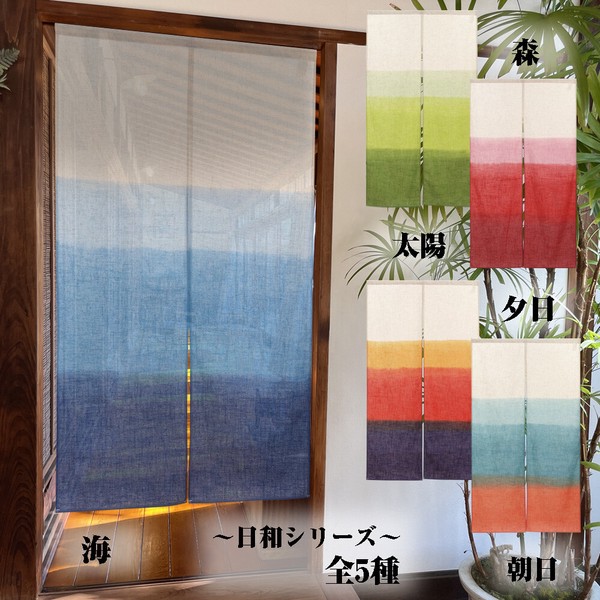
Japanese Noren Curtain 4 Colored – Made in Japan
Best for: Authentic cultural decor, collectors, supporting traditional artisans
Produced by Japanese artisans using traditional techniques, this Made in Japan noren features a four-color design that reflects the quality and attention to detail of authentic Japanese textile craft.
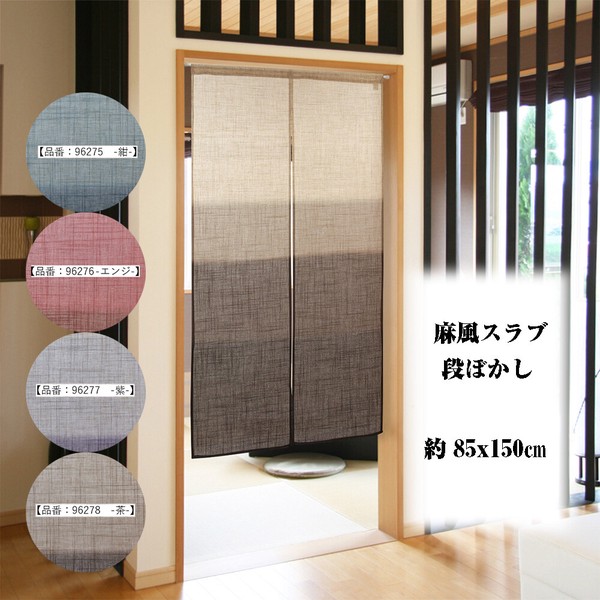
Four Color Noren Curtain – Made in Japan
Best for: Housewarming gifts, traditional spaces, preserving Japanese textile arts
Another Made in Japan option with a distinct four-color palette. Supporting Japanese-made noren means supporting the artisans who keep these traditional textile arts alive.
Gifting
Noren make thoughtful housewarming gifts with cultural significance. A blue dragon noren symbolizes strength and protection, while sakura noren represent renewal and beauty.
How to Choose the Right Size and Hang Your Noren
Beyond fabric and design, the two questions that decide whether a noren looks right in your space are size and how you hang it. Japanese noren come in two main orientations, and matching the format to your doorway is the single most important sizing decision.
Yoko-noren (Wide Format)
Wide and relatively short, yoko-noren hang across the upper portion of a doorway or window. They keep a space open and airy while still marking a threshold. Typical dimensions:
- Width: 85–150 cm, to span a standard doorway with a little overlap
- Height: 55–85 cm, covering the upper third to half of the opening
Tate-noren (Tall Format)
Narrow and tall, tate-noren cover most of a doorway's height while the split panels still let you pass through easily — the better choice when you want more visual privacy. Typical dimensions:
- Width: 85–120 cm
- Height: 130–180 cm, nearly full doorway height
For a standard Western doorway (around 80 cm wide and 200 cm tall), an 85–90 cm wide noren works well in either a shorter 55–85 cm drop for a traditional, breezy look or a taller 130–150 cm drop when you want more screening. Our four-color Made-in-Japan noren follows the classic 85 cm width that fits most home doorways.
Three Ways to Hang a Noren
Traditional noren slide onto a wooden or bamboo rod threaded through the fabric sleeve along the top edge. There are three common mounting methods, from most authentic to most renter-friendly:
- The rod method (most authentic): Fix two small cup hooks or brackets into the doorframe at your chosen height, thread a rod through the top sleeve, and rest the rod on the hooks. This gives the characteristic gentle drape and lifts off easily for washing. An extendable noren rod takes the guesswork out of getting the right length.
- Tension-rod method: For renters or anyone avoiding hardware, an adjustable tension rod inside the doorframe is a no-damage option. Choose a rod rated for the weight of your fabric.
- Curtain-wire method: For a lightweight noren in a window, a taut stainless wire gives a minimal, modern mount that does not compete with the design.
As a rule of thumb for rod diameter, a dowel of 1–2 cm (about 0.4–0.8 in) suits most noren. Bamboo or natural wood looks appropriate in a traditional setting; an adjustable rod that extends to fit your opening is the simplest path for a clean, rod-pocket drape.
Extendable Noren Curtain Rod 40–105 cm
Best for: Standard doorways, renters, a clean traditional rod-pocket drape
This adjustable rod extends from 40 to 105 cm to fit most doorways without drilling, giving the authentic rod-pocket look that a basic tension rod cannot match.
Match the Motif to the Room
Once size and mounting are sorted, let the room guide the design. A few pairings our customers reach for:
- Entryway or genkan: a lucky-symbol motif such as the red daruma noren or the beckoning cat, daruma, owl and rabbit noren sets a welcoming tone.
- Meditation or tea space: a calm, contemplative design like the enso circle noren or the hand-printed linen noren in blue marks the threshold quietly.
- Living room or focal doorway: a statement piece such as the blue dragon noren draws the eye.
- Seasonal refresh: a cherry blossom sakura noren brings spring indoors and is easy to swap out as the seasons change.
Care and Maintenance
Washing
- Hand washing is recommended for natural-fiber and hand-dyed noren. Use lukewarm water with a mild, neutral detergent.
- Machine washing is acceptable for polyester noren — use a laundry net bag on a gentle cycle.
- Never mix colors in the wash, especially with indigo-dyed noren.
- Avoid bleach and harsh detergents.
Drying
- Air dry in shade — Direct sunlight will fade dyes over time.
- Never tumble dry — Heat can shrink natural fibers.
- Iron while slightly damp for the crispest finish.
Installation
- Tension rods are the easiest no-drill option — perfect for renters, though they do not give the clean rod-pocket drape of a dedicated mount.
- Traditional noren rods or extendable noren rods look most authentic.
- Ceiling track systems work well for long noren or heavy fabrics.
Longevity Tips
- Rotate seasonal noren to reduce wear on any single piece.
- Store folded (not crumpled) in a cool, dry place when not in use.
- For valuable or antique noren, consider professional textile cleaning.
Frequently Asked Questions
What is the difference between noren and Western curtains?
Can I use noren as window coverings?
Yes, noren work beautifully as window treatments, especially for smaller windows where you want filtered light. Measure your window width precisely and choose a lighter-weight fabric like cotton or linen for the best light-diffusing effect.
How do I choose the right noren size?
Measure the width of your doorway or window and the desired hanging height. Standard noren are approximately 85 cm wide by 150 cm tall (about 33 x 59 inches), designed to cover roughly two-thirds of a standard doorway height. Custom sizes are common for specific spaces.
Are noren only for Japanese-style homes?
Not at all. Noren complement virtually any interior design style — minimalist modern, Scandinavian, bohemian, and even traditional Western interiors. Their clean lines and textile artistry make them versatile accent pieces that add warmth and cultural depth to any room. For more, see our guide on noren style.
How often should I wash my noren?
Do noren work as blackout curtains?
What rod size should I use to hang a noren?
A rod 1–2 cm in diameter (about 0.4–0.8 in) suits most noren. Bamboo or natural wood looks most authentic, while an extendable noren rod adjusts to fit your doorway without drilling. Match the rod length to your opening so the panels sit snugly within the frame.
Noren are one of those rare objects that become more meaningful the more you understand them. They are practical, beautiful, culturally rich, and endlessly adaptable. Whether you're drawn to the history, the craftsmanship, or simply the way a split curtain looks swaying in your doorway, adding a noren to your space connects you to centuries of Japanese design wisdom.
For deeper reading on noren culture, explore our article on noren as a symbol of Japanese culture, or browse our full collection of authentic Japanese noren.