How to Season a Hinoki Cutting Board and Keep It for Decades
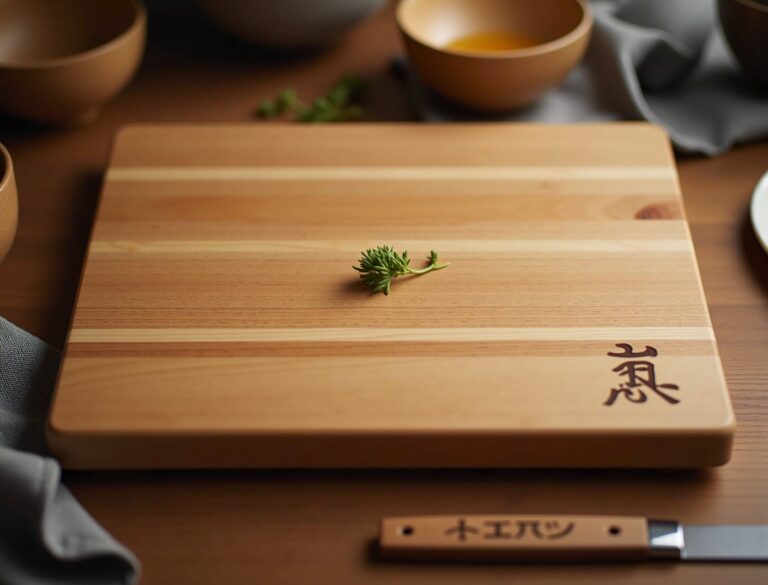
A quality hinoki (Japanese cypress) cutting board is not a disposable kitchen item. Properly cared for, a good hinoki board lasts 20-30 years or longer — some families pass them down across generations. The care routine is simple once you know it, but there are a few specific rules that differ from Western hardwood board care. Follow them and your hinoki board will stay beautiful and functional indefinitely.
Before First Use: The Initial Conditioning
New hinoki boards arrive from the workshop dry, occasionally with the faint smell of sawdust alongside the characteristic cypress aroma. Before using the board for food prep:
- Rinse with cold water: Wipe the entire surface (both sides and all edges) with a clean cloth dampened in cold water. This removes any surface dust from production.
- Allow to fully dry: Stand the board on its edge in a ventilated area for several hours. Do not lay flat — both sides need air circulation to dry evenly.
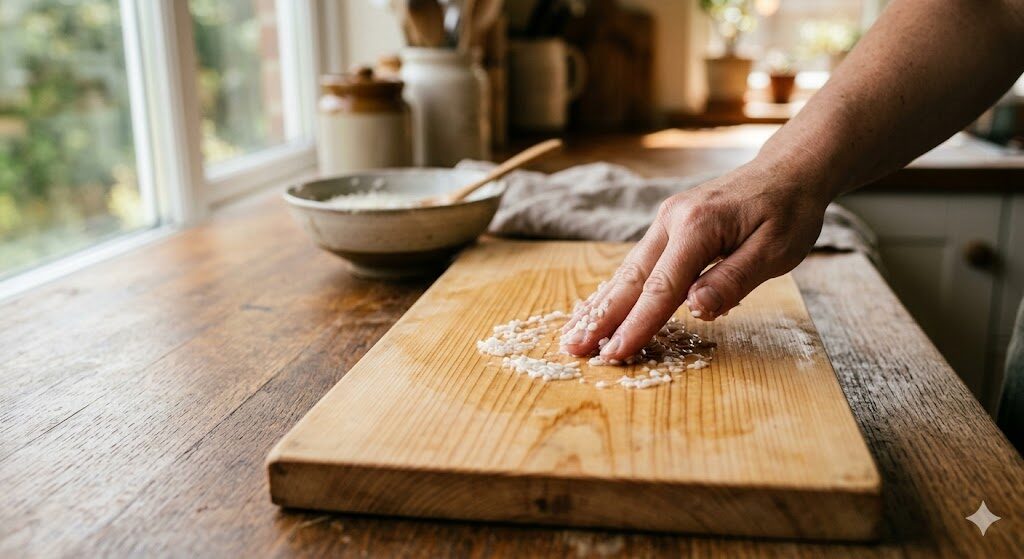
- Optional: light rice-water treatment: Some traditional Japanese kitchen practices involve wiping a new hinoki board with the cloudy water from rinsing rice (rice water contains starch that can slightly close the grain). This is not strictly necessary but is a traditional first-use step.
The board is now ready to use.
Get our hinoki cutting boards in our Japanese kitchen collection.
Do NOT Oil a Hinoki Board
This surprises most people coming from Western hardwood board care. The standard advice for maple or walnut boards — oil regularly with mineral oil, condition with board cream — does not apply to hinoki.
Hinoki wood contains natural essential oils including hinokitiol, a compound with documented antibacterial and antifungal properties. These natural oils are part of what makes hinoki self-protecting. Applying external oils can interfere with this natural protection, clog the grain, and prevent the wood from breathing properly.
Additionally, hinoki's relatively soft, open grain means it can absorb oil unevenly, leading to darker patches and an altered appearance.
The rule: No oil on hinoki. Water maintenance only.
Daily Care Routine
After each use:
- Rinse with cold or lukewarm water. Avoid hot water — the heat can cause the wood to warp or crack over repeated cycles.
- Use a soft brush or sponge with a small amount of mild dish soap if needed. Work with the grain.
- Rinse thoroughly to remove soap.
- Stand on edge immediately to dry. Do not lay flat on a wet counter.
- Store in a dry, ventilated area.
The most important single habit: never let a hinoki board sit in standing water or lay wet on a surface. This is the main cause of warping and premature aging.
Dealing with Odors
Hinoki has natural deodorizing properties, but after extensive use with garlic, onion, or strong fish, odors can persist. Two approaches:
Lemon or citrus rub: Cut a lemon in half and rub the cut face over the board surface. The citric acid neutralizes odors and the lemon oil provides mild cleaning action. Rinse and dry normally afterward.
Salt scrub: Sprinkle coarse salt over the board surface, then rub with the cut face of a lemon or with a damp cloth in circular motions. The salt acts as a mild abrasive and odor absorber. Rinse thoroughly.
Removing Surface Stains and Discoloration
With regular use, hinoki boards will develop some discoloration — slight darkening in the most-used cutting areas, possible staining from beets, turmeric, or soy sauce. This is normal and doesn't affect food safety or function.
To restore the surface:
- Allow the board to dry completely
- Sand lightly with 180-220 grit sandpaper, working with the grain
- Wipe away all sanding dust with a dry cloth
- Rinse lightly with water and allow to dry standing on edge
The fresh wood surface will be slightly lighter and will carry the fresh hinoki aroma again. This resurfacing can be done as many times as needed — a thick hinoki board can tolerate multiple resurfacings over its life, essentially renewing the board.
Preventing and Fixing Warping
Warping is the most common problem with any solid wood cutting board and occurs when one side dries faster than the other. Prevention is simple:
- Always stand the board on edge to dry — never lay flat while wet
- Wet both sides when rinsing, not just the cutting surface
- If the board will be exposed to heat (near the stove), flip it periodically so both sides experience the same conditions
If your board has warped: Wet both sides thoroughly, then place on a flat surface with the concave side down and weight the board evenly with a heavy pot or stack of plates for 24-48 hours while it dries. Mild warps often correct completely with this treatment.
Long-Term Storage
If you're storing a hinoki board for an extended period (weeks or months):
- Clean and dry completely before storage
- Store in a dry, cool area — not in a cabinet that might trap humidity
- Avoid plastic bags or wrapping — hinoki needs to breathe
- Standing on edge rather than stacking flat under other boards prevents warp during storage
When to Replace vs. Resurface
A hinoki board that has developed deep knife grooves throughout the surface should be resurfaced with sandpaper. If the board has worn down significantly over decades of use and resurfacing, it may become thin enough that warping becomes difficult to correct — at that point, replacement is appropriate. With a thick (3cm+) board, this point may take 20-30 years to reach.
Boards that have cracked through or developed mold that hasn't responded to treatment should be replaced. Browse our full Japanese cutting board range for replacement options.
Frequently Asked Questions
Can I use my hinoki board in the dishwasher?
Never. The high heat and water immersion of a dishwasher will warp and crack a hinoki board quickly and permanently.
My hinoki board has a musty smell — what happened?
This indicates the board didn't dry properly and mildew developed. Wash with a dilute vinegar solution (1:3 vinegar to water), rinse thoroughly, and dry completely standing on edge. If the smell persists after drying, sand the surface to expose fresh wood.
Should I sand before or after washing?
Sand dry. Wet wood clogs sandpaper quickly and is harder to work. Let the board dry completely, then sand. Rinse after sanding to remove dust.
How often should I resurface my hinoki board?
Only when needed — when the surface becomes rough, stained in ways that won't rinse out, or develops uneven knife marks. Some cooks resurface once or twice a year; others go years between sandings.
Is hinoki safe for raw meat?
Yes. Hinoki's natural antibacterial properties are documented, and the wood is used in professional Japanese kitchens for fish and meat preparation. Standard food safety practices still apply — thorough washing and complete drying after raw meat use.
What size hinoki board should I buy?
For most home cooks, a board of at least 36x24cm (roughly 14×9 inches) provides adequate working room. Go larger if you regularly break down whole fish or large vegetables.