Matcha Tea Benefits
The matcha tea benefits that have made this vibrant green powder a cornerstone of Japanese wellness culture for over 800 years are now backed by modern science. Matcha (抹茶) is not just another green tea. Because you consume the entire stone-ground leaf rather than steeping and discarding it, every cup delivers a concentrated dose of antioxidants, amino acids, and bioactive compounds that steeped teas simply cannot match.
From the shaded tea gardens of Kagoshima to the mountain slopes of Shizuoka, Japanese tea farmers have perfected the art of producing matcha over centuries. Here, we break down the science-backed health benefits of matcha, compare it to coffee and other teas, and help you understand how to choose the right grade for your goals.
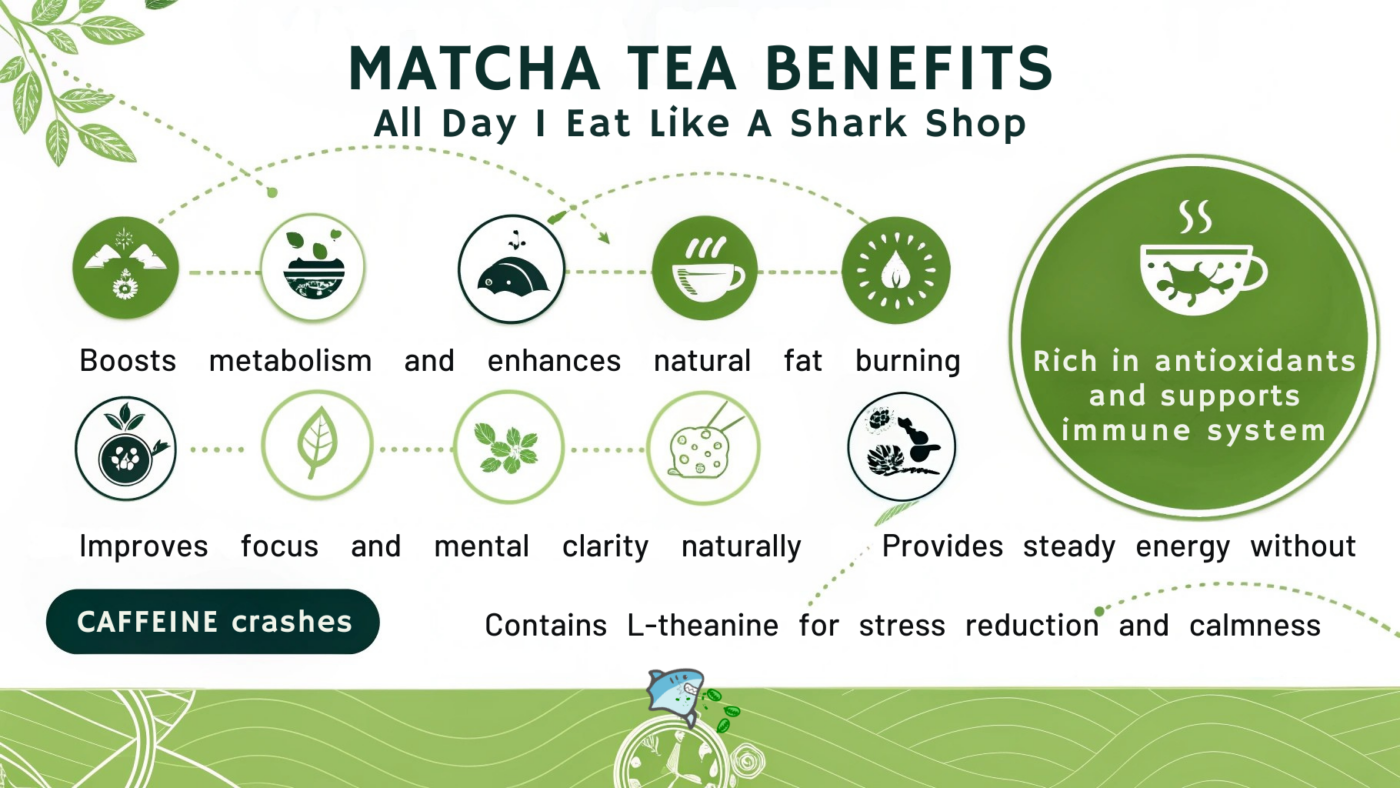
What Makes Matcha Different From Other Teas?
Before diving into the benefits, it helps to understand why matcha stands apart. Most teas are brewed by steeping leaves in water and then removing them. With matcha, you whisk the finely ground powder directly into water using a bamboo chasen (茶筅) and drink the whole leaf.
This difference is significant. A 2003 study from the University of Colorado found that matcha contains up to 137 times the amount of EGCG compared to a standard cup of steeped green tea. The shading process used in cultivation (called kabuse or ooishita) increases chlorophyll and L-theanine content, giving the leaves their deep green color and umami-rich flavor.
The result? A tea that delivers more antioxidants, more amino acids, and more sustained energy than virtually any other natural beverage.
EGCG: Matcha’s Most Powerful Antioxidant
Epigallocatechin gallate (EGCG) is a catechin, a type of polyphenol antioxidant found in tea. EGCG is the most studied and most potent catechin in green tea, and matcha is the richest dietary source of it on the planet.
Why Matcha Has 137x More EGCG Than Green Tea
When you steep a bag of green tea, roughly 80–90% of the catechins remain trapped in the leaf, which you throw away. With matcha, you ingest the entire leaf in powdered form, meaning you absorb all of the EGCG and other catechins. A study published in the Journal of Chromatography measured EGCG content and found matcha contains approximately 137 times more EGCG per gram than China Green Tips green tea.
EGCG has been the subject of thousands of research studies. Its documented biological activities include:
- Powerful antioxidant action that neutralizes free radicals and reduces oxidative stress
- Anti-inflammatory properties that may help reduce chronic inflammation markers
- Thermogenic effects that may increase fat oxidation and energy expenditure
- Neuroprotective potential that may support brain health as we age
For context, a single serving (2g) of ceremonial-grade matcha provides roughly 60–100mg of EGCG, while a cup of brewed green tea typically provides only 25–50mg.
L-Theanine: The Calm Alertness Amino Acid
One of the most unique matcha tea benefits is its high concentration of L-theanine (テアニン), an amino acid found almost exclusively in tea plants (Camellia sinensis). Matcha contains significantly more L-theanine than other green teas because of the shading process. When tea bushes are covered for 20–30 days before harvest, the plants produce more L-theanine as a response to reduced sunlight.
How L-Theanine Works in Your Brain
L-theanine crosses the blood-brain barrier and promotes the production of alpha brain waves, the same brain wave pattern associated with a state of relaxed focus, meditation, and creative flow. A study in the journal Nutritional Neuroscience confirmed that L-theanine significantly increases alpha wave activity within 40 minutes of consumption.
This creates what Japanese monks have understood for centuries: a state of calm alertness that differs fundamentally from the jittery, anxious energy of coffee. While coffee activates your fight-or-flight response, L-theanine gently promotes relaxation without drowsiness.
The Caffeine + L-Theanine Synergy
Matcha’s magic lies in the synergy between caffeine and L-theanine. Research published in Biological Psychology showed that when caffeine and L-theanine are consumed together, the combination improves both speed and accuracy on attention-switching tasks. The L-theanine smooths out caffeine’s rough edges, eliminating the spike-and-crash pattern while preserving the alertness and focus.
A typical serving of matcha provides approximately 64mg of caffeine and 27–53mg of L-theanine, a ratio that naturally produces this balanced effect.
Caffeine Comparison: Matcha vs Coffee vs Other Teas
One of the most common questions about matcha is how its caffeine content stacks up against other beverages. Here is a side-by-side comparison per standard serving:
| Beverage | Serving Size | Caffeine (mg) | L-Theanine (mg) | Energy Profile |
|---|---|---|---|---|
| Matcha | 2g (1 tsp) | 60–70 | 27–53 | Sustained, calm focus (4–6 hrs) |
| Espresso | 30ml (1 shot) | 63 | 0 | Sharp spike, crash (1–3 hrs) |
| Drip Coffee | 240ml (8 oz) | 95–200 | 0 | Rapid onset, jittery (2–4 hrs) |
| Green Tea (sencha) | 240ml (8 oz) | 25–40 | 8–15 | Mild, gentle (2–3 hrs) |
| Black Tea | 240ml (8 oz) | 40–70 | 5–10 | Moderate, steady (2–3 hrs) |
| Yerba Mate | 240ml (8 oz) | 70–85 | 0 | Moderate, sustained (3–5 hrs) |
| Hojicha | 240ml (8 oz) | 7–20 | 5–10 | Very gentle, calming (1–2 hrs) |
The key takeaway: matcha delivers comparable caffeine to espresso, but the presence of L-theanine fundamentally changes how your body processes that energy. Instead of the sharp spike and crash that coffee drinkers know all too well, matcha provides a slow-release energy curve that lasts 4–6 hours.
Weight Loss and Metabolism Boost
Matcha has earned serious attention in weight management research, and the results are promising. The combination of EGCG, caffeine, and catechins creates a natural thermogenic effect that may help your body burn fat more efficiently.
What the Research Shows
A meta-analysis published in the International Journal of Obesity reviewed 11 studies and concluded that catechins and caffeine together significantly increased energy expenditure (calorie burning) and fat oxidation. The effect was modest but consistent: green tea catechins increased daily energy expenditure by approximately 100 calories.
Another study in the American Journal of Clinical Nutrition found that consuming green tea extract rich in EGCG before moderate-intensity exercise increased fat oxidation by 17% compared to a placebo. Since matcha contains far more EGCG than regular green tea, these effects may be even more pronounced.
Key mechanisms at work:
- Increased thermogenesis from the EGCG-caffeine combination
- Enhanced fat oxidation during both rest and exercise
- Reduced fat absorption through inhibition of pancreatic lipase
- Blood sugar regulation that may reduce cravings and energy crashes
Important note: matcha is not a magic weight loss solution. These effects work best when paired with regular physical activity and a balanced diet. Think of it as a natural, gentle metabolic support rather than a shortcut.
Mental Clarity and Focus
The cognitive benefits of matcha go beyond the caffeine-L-theanine synergy already discussed. A landmark 12-month randomized, double-blind, placebo-controlled study published in 2024 followed 99 older adults and found that daily matcha consumption was associated with improvements in social cognition, attention, and memory performance.
Separate research has identified several mechanisms by which matcha may support brain health:
- Increased BDNF production (brain-derived neurotrophic factor), a protein critical for learning and memory
- Improved blood flow to the brain via nitric oxide pathway modulation
- Reduced neuroinflammation through EGCG’s anti-inflammatory action
- Enhanced dopamine and serotonin availability, supporting mood and motivation
This is one reason matcha has been the tea of choice for Zen Buddhist monks during long meditation sessions since the 12th century. The combination of sustained focus without restlessness makes it uniquely suited for deep, concentrated work.
Skin Health and Anti-Aging
Your skin is your body’s largest organ and one of the most vulnerable to oxidative damage from UV radiation, pollution, and environmental stressors. Matcha’s extraordinarily high antioxidant content makes it a powerful ally for skin health.
Antioxidant Protection From the Inside Out
Matcha has one of the highest ORAC (Oxygen Radical Absorbance Capacity) scores of any food, measuring at approximately 1,384 units per gram. For comparison, blueberries measure around 24 units per gram, and pomegranates come in at about 105. This means matcha delivers roughly 13 times more antioxidant power than pomegranates and over 50 times more than blueberries per gram.
These antioxidants combat free radicals that accelerate skin aging. Research suggests that regular consumption of green tea catechins may:
- Reduce UV-induced skin damage and redness
- Support collagen production by reducing the enzymes that break it down
- Improve skin elasticity and hydration over time
- Reduce inflammation associated with acne and redness
The chlorophyll in matcha, which gives it that distinctive bright green color, also has detoxifying properties that may help the body eliminate heavy metals and chemical toxins that contribute to skin problems.
Heart Health: Cholesterol and Blood Pressure
Cardiovascular disease remains the leading cause of death globally, and the research on green tea’s heart-protective effects is among the most robust in all of nutrition science.
Cholesterol Management
A comprehensive meta-analysis in the American Journal of Clinical Nutrition analyzed 14 randomized controlled trials and found that green tea consumption significantly reduced total cholesterol by an average of 7.2 mg/dL and LDL (“bad”) cholesterol by 2.2 mg/dL. The mechanism involves EGCG’s ability to inhibit cholesterol absorption in the intestine and promote the conversion of cholesterol to bile acids for excretion.
Blood Pressure Regulation
Green tea consumption has also been associated with modest but meaningful reductions in blood pressure. A meta-analysis of 13 trials found that green tea reduced systolic blood pressure by an average of 1.94 mmHg. While this may sound small, population-level data suggests that even a 2 mmHg reduction in systolic blood pressure can reduce cardiovascular mortality by approximately 6%.
Since matcha delivers concentrated amounts of these beneficial compounds, regular consumption as part of a heart-healthy lifestyle may provide meaningful cardiovascular support over time.
Cancer Research: What the Science Actually Says
Cancer research involving EGCG and green tea catechins is extensive but requires careful interpretation. It is important to distinguish between what laboratory studies show and what has been confirmed in human clinical trials.
Laboratory and Animal Studies
In cell culture and animal models, EGCG has demonstrated several anti-cancer mechanisms:
- Inhibiting the growth of cancer cells across multiple cancer types
- Inducing apoptosis (programmed cell death) in abnormal cells
- Inhibiting angiogenesis (new blood vessel formation that tumors need to grow)
- Modulating cell signaling pathways involved in tumor development
Human Epidemiological Data
Large population studies from Japan, where green tea consumption is highest, have shown associations between regular green tea drinking and reduced risk of certain cancers. A prospective study of over 40,000 Japanese adults found that women who drank 5 or more cups of green tea daily had a significantly lower risk of stomach cancer mortality.
Important Caveats
While these findings are encouraging, it is essential to note:
- Laboratory results do not always translate directly to human outcomes
- The doses used in many cell studies exceed what you would consume from drinking tea
- Cancer is a complex disease influenced by genetics, environment, and many lifestyle factors
- No single food or beverage can prevent or cure cancer
The honest takeaway: matcha’s EGCG content is one component of an overall healthy lifestyle that may reduce cancer risk. It is not a treatment or a guaranteed preventive measure, but the epidemiological evidence from tea-drinking populations is genuinely encouraging.
Nutritional Profile Per Serving
A standard 2g serving of matcha powder (approximately 1 teaspoon) typically contains:
- 5 calories
- 0.3g protein
- 0.8g carbohydrates
- 0.8g dietary fiber
- Key vitamins and minerals:
- Vitamin A (beta-carotene): approximately 580 mcg
- Vitamin C: about 1mg
- Vitamin K: around 58 mcg (critical for blood clotting and bone health)
- Potassium: about 54mg
- Calcium: approximately 8mg
- Iron: approximately 0.34mg
- EGCG: 60–100mg
- L-theanine: 27–53mg
- Caffeine: 60–70mg
- Chlorophyll: 10–15mg
How to Choose Matcha Grade: Ceremonial vs Culinary
Not all matcha is created equal, and choosing the right grade depends on how you plan to use it and which benefits matter most to you.
Ceremonial Grade (薄茶用)
Ceremonial-grade matcha is made from the youngest, most tender leaves picked during the first harvest (ichibancha, 一番茶). These leaves are stone-ground into an ultrafine powder with a vibrant, bright green color.
Best for:
- Drinking straight as usucha (thin tea) or koicha (thick tea)
- Maximum L-theanine and amino acid content
- Smoothest flavor with natural sweetness and deep umami
- The full traditional matcha experience in a matcha bowl (茶碗)
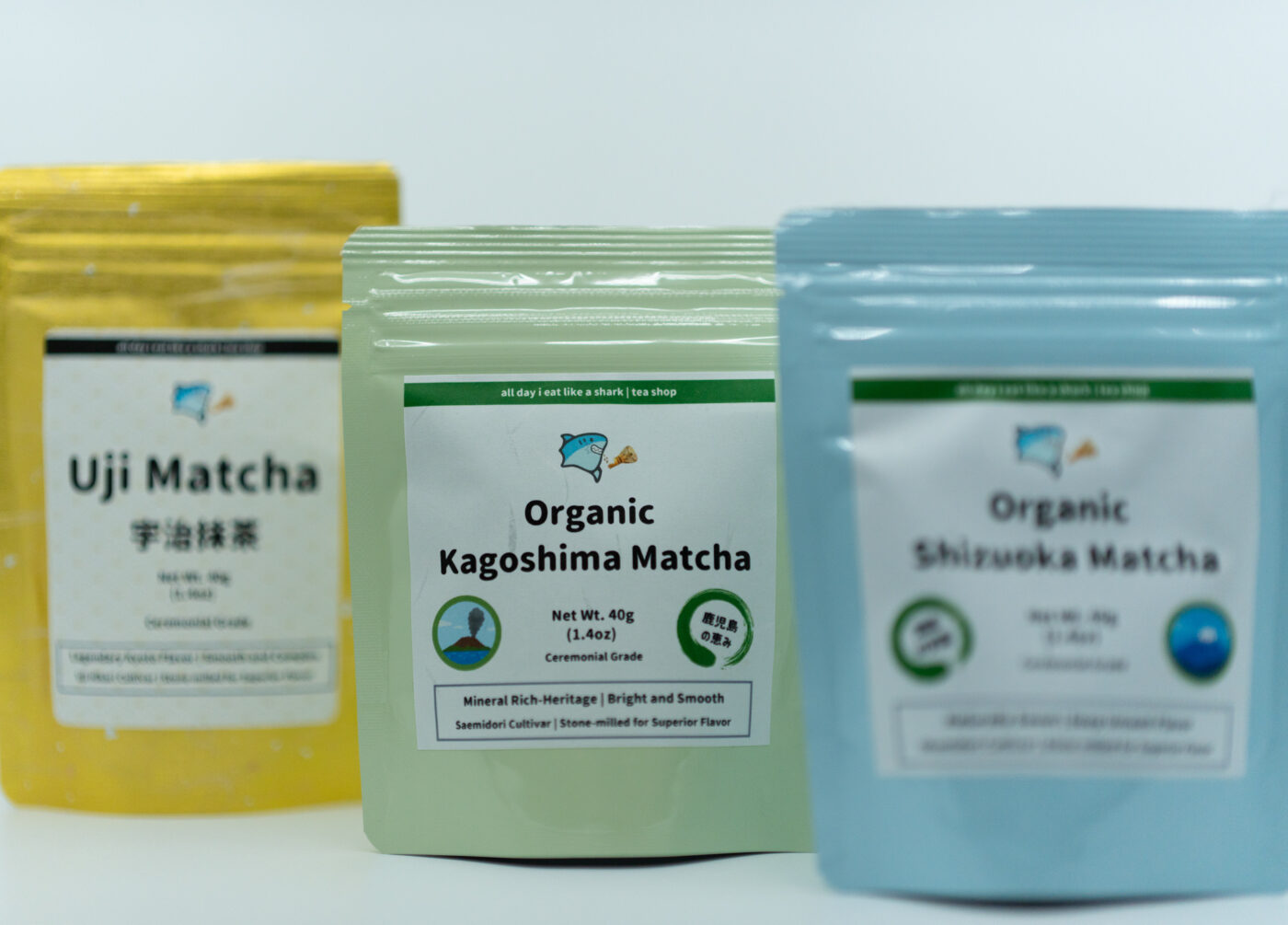
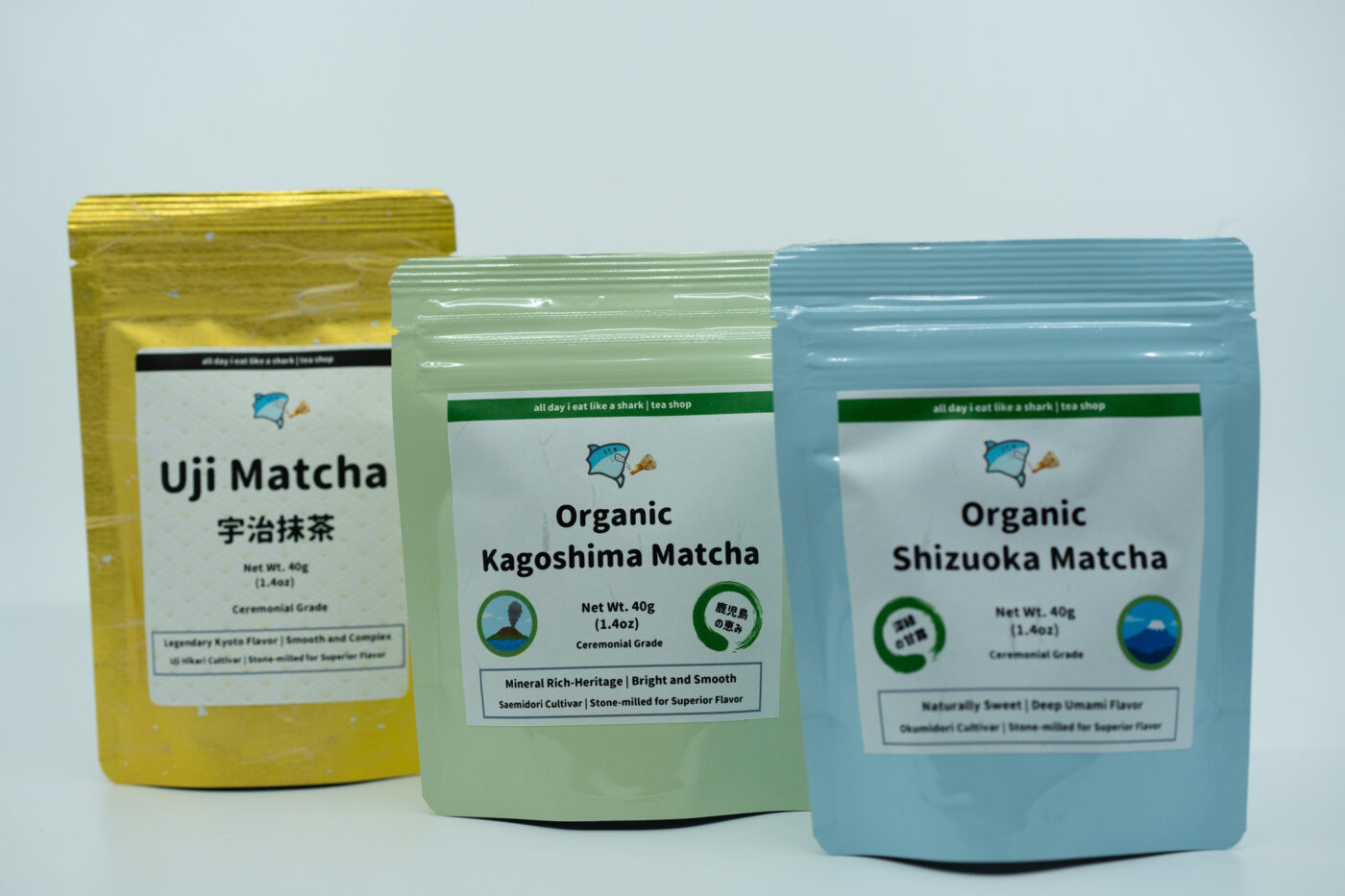
Our Organic Kagoshima Matcha (Saemidori cultivar) and Organic Shizuoka Matcha (Okumidori cultivar) are both ceremonial grade, sourced from single-origin organic farms in Japan.
Culinary Grade (料理用)
Culinary-grade matcha is made from slightly more mature leaves and may include second-harvest leaves. The flavor is bolder and more astringent, which stands up well in recipes.
Best for:
- Matcha lattes, smoothies, and blended drinks
- Baking (cookies, cakes, mochi, ice cream)
- Cooking applications where matcha flavor needs to punch through other ingredients
- Cost-effective daily consumption when mixed with milk or other liquids
Our Kagoshima Organic Cooking Matcha and Shizuoka Organic Cooking Matcha are perfect for recipes and lattes.
Which Grade Has More Health Benefits?
Both grades contain EGCG, caffeine, and L-theanine. However, ceremonial grade typically has higher L-theanine content (because of longer shading periods) and a smoother amino acid profile. Culinary grade often has slightly higher catechin content due to the more mature leaves, which have had more sun exposure. For pure health benefit purposes, both grades are excellent. Choose based on how you plan to consume it.
Matcha Benefits vs Coffee Benefits vs Green Tea Benefits
Each of these beverages has its own strengths. Here is an honest comparison to help you decide what fits your lifestyle:
| Benefit | Matcha | Coffee | Green Tea |
|---|---|---|---|
| Antioxidant content | Very high (EGCG, catechins, chlorophyll) | Moderate (chlorogenic acid) | High (catechins, but less concentrated) |
| Sustained energy | 4–6 hours, smooth | 1–3 hours, spike and crash | 2–3 hours, mild |
| L-theanine | High (27–53mg) | None | Low (8–15mg) |
| Metabolism boost | Strong (EGCG + caffeine synergy) | Moderate (caffeine only) | Moderate (lower EGCG dose) |
| Teeth staining | Minimal | Significant | Mild |
| Stomach friendliness | Generally gentle | Can cause acid reflux | Generally gentle |
| Heart health support | Strong evidence | Mixed evidence | Strong evidence |
| Focus and concentration | Excellent (calm focus) | Good (but may cause anxiety) | Good (milder effect) |
| Skin health | Strong (high ORAC, chlorophyll) | Limited | Good |
| Sleep disruption | Moderate (L-theanine offsets) | High | Low |
The bottom line: if you want maximum health benefits with sustained, jitter-free energy, matcha is hard to beat. Coffee has its place for those who prefer its flavor and higher caffeine content. Regular green tea (like bancha) is a great low-caffeine option for all-day sipping. And if you want the lowest caffeine option with great flavor, consider hojicha or check out the differences between hojicha and genmaicha.
Safety and Consumption Guidelines
Matcha is safe for most adults when consumed in reasonable amounts. Here are some guidelines to keep in mind:
- Recommended daily intake: 1–3 servings (2–6g of matcha powder) per day is considered safe for most adults
- Caffeine sensitivity: With 60–70mg per serving, matcha contains less caffeine than coffee but enough to affect caffeine-sensitive individuals. Avoid consuming after 2pm if it impacts your sleep
- Pregnancy and breastfeeding: Consult your healthcare provider about caffeine intake. Most guidelines suggest limiting caffeine to under 200mg per day during pregnancy
- Medication interactions: EGCG can interact with certain medications, including blood thinners (due to vitamin K content) and some liver-metabolized drugs. If you take prescription medications, check with your doctor
- Lead content: Tea leaves can absorb lead from the environment. Choose organic, Japanese-origin matcha (not Chinese), as Japanese tea fields generally have lower soil lead levels. All of our matcha products are USDA organic and sourced from Japan
Frequently Asked Questions About Matcha Tea Benefits
How much matcha should I drink per day for health benefits?
Most research showing health benefits used 1–3 servings (2–6g) of matcha per day. One to two cups daily is a practical starting point. This provides approximately 120–200mg of EGCG and 54–106mg of L-theanine, which aligns with the doses used in clinical studies.
Is matcha better for you than coffee?
Matcha and coffee have different strengths. Matcha provides more antioxidants, contains L-theanine for calm focus, and delivers sustained energy without the crash. Coffee provides more caffeine per serving and has its own set of well-researched health benefits (reduced risk of type 2 diabetes, Parkinson’s disease). For overall wellness and antioxidant intake, matcha has the edge. For maximum caffeine content, coffee wins.
Can matcha help with weight loss?
Research shows that matcha’s EGCG and caffeine can modestly increase energy expenditure and fat oxidation, especially when combined with exercise. However, matcha alone will not cause significant weight loss. It works best as part of a healthy diet and active lifestyle, providing a gentle metabolic boost of approximately 100 additional calories burned per day.
Does matcha have more caffeine than green tea?
Yes. A serving of matcha contains approximately 60–70mg of caffeine, compared to 25–40mg in a cup of steeped green tea. This is because you consume the entire ground leaf with matcha, rather than just the water-soluble compounds that seep out during steeping.
What is the best time of day to drink matcha?
The best time is in the morning or early afternoon. Many people enjoy matcha first thing as a coffee replacement, or as a mid-morning focus booster. Because of its caffeine content, avoid drinking matcha after 2–3pm if you are sensitive to caffeine. The L-theanine content means it is less likely to cause sleep disruption than coffee at the same caffeine dose.
Is ceremonial grade matcha healthier than culinary grade?
Both grades contain significant health benefits. Ceremonial grade tends to have higher L-theanine content and a smoother amino acid profile due to longer shading. Culinary grade may have slightly higher catechin content from more mature leaves. The difference is modest. The biggest factor for health benefits is consuming matcha regularly, regardless of grade.
Can I drink matcha on an empty stomach?
Most people tolerate matcha on an empty stomach better than coffee, thanks to its lower acidity and the presence of L-theanine. However, if you have a sensitive stomach, try pairing your first cup with a small snack. The catechins in matcha can occasionally cause mild nausea in some people when consumed without food. For more on tea and fasting, see our guide on drinking tea while fasting.
Shop Our Matcha Tea
Ready to experience these matcha tea benefits for yourself? We source all of our matcha directly from organic farms across Japan. Every bag is single-origin, stone-ground, and USDA certified organic.
Ceremonial Grade
- Organic Kagoshima Matcha (Saemidori Cultivar) — Rich umami with a smooth, creamy finish. From Japan’s largest tea-producing prefecture.
- Organic Shizuoka Matcha (Okumidori Cultivar) — Bright green with a sweet, vegetal character. Mountain-grown in Shizuoka.
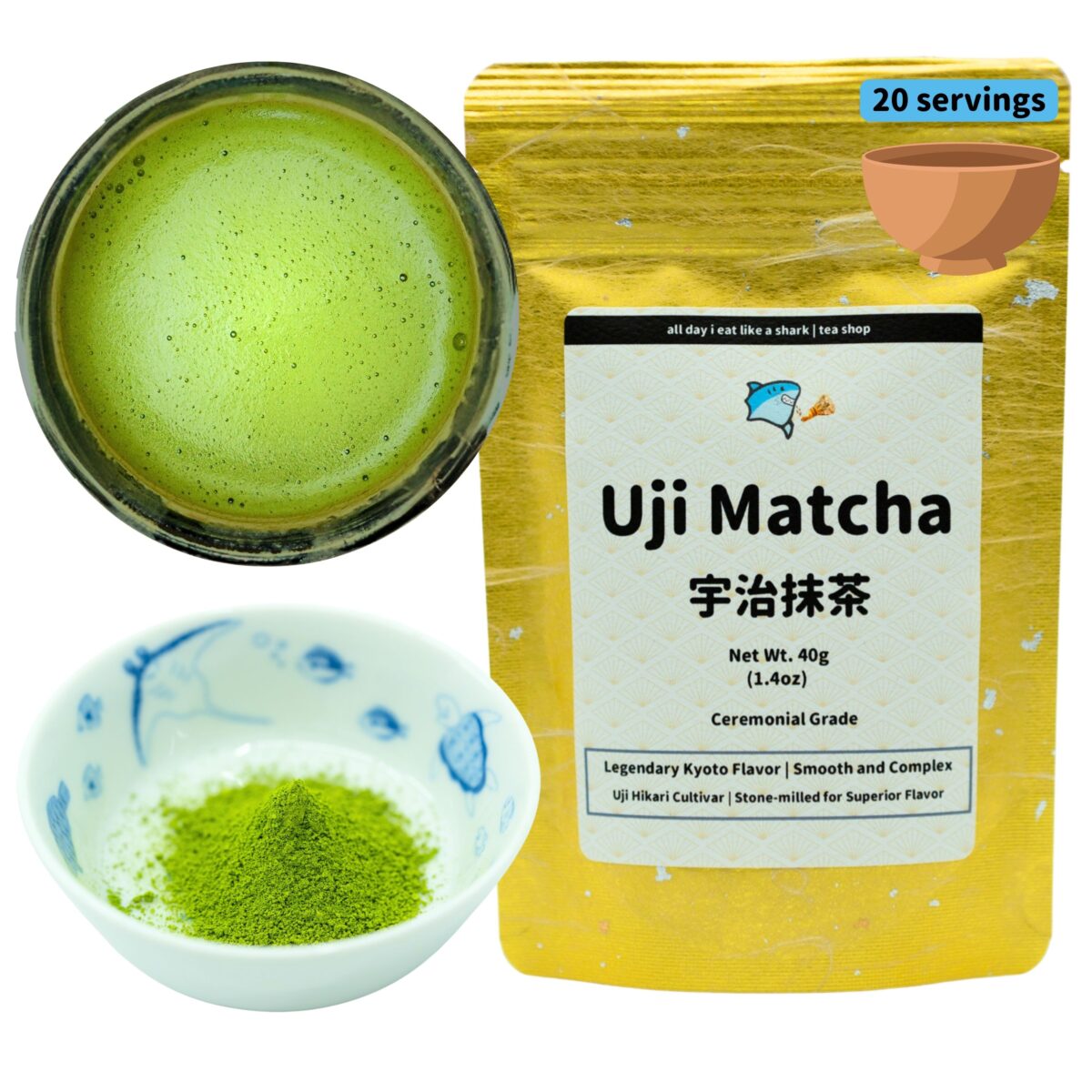
- Uji Hikari Matcha (Ceremonial Grade) — Premium single-origin from the birthplace of Japanese tea culture.
Culinary Grade
- Kagoshima Organic Cooking Matcha (100g) — Vibrant and bold, perfect for lattes, smoothies, and baking.
- Shizuoka Organic Cooking Matcha (100g) — JAS certified culinary matcha, ideal for everyday recipes.
Matcha Preparation Essentials
- Takayama Chasen (Bamboo Matcha Whisk) — Handcrafted in Takayama by master artisans. Essential for proper matcha preparation.
- Matcha Bowls (Chawan) — Browse our collection of handcrafted Japanese matcha bowls.