


Uji Hikari Ceremonial Grade Matcha – Single Origin Kyoto, Japan (40g)
Price range: $29.99 through $59.99
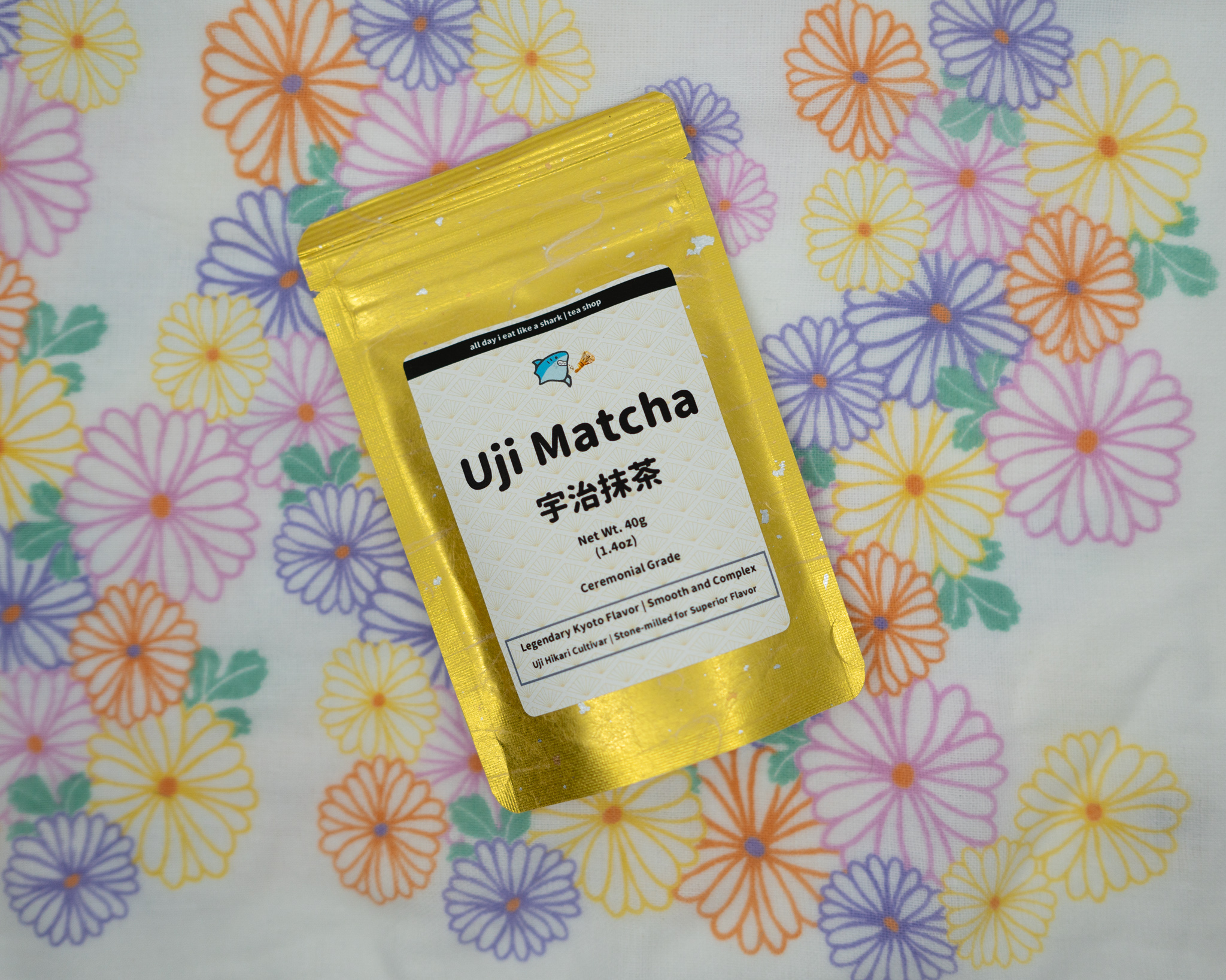
Single origin matcha from Uji, Japan
Uji Hikari cultivar
2 grams per serving; 40g bag = 20 servings, 100g unlabeled bag = 50 servings
Comes in a resealable aluminum lined washi bag to protect from heat, light, oxidation
Free shipping on orders over $50!
- Satisfaction Guaranteed
- No Hassle Refunds
- Secure Payments
Description
Last updated: April 2026
Uji is Japan's most storied tea region, and Uji Hikari (宇治ひかり) — a cultivar developed specifically to thrive in the shaded growing conditions that define Uji's matcha production — is one of its most distinctive varieties. The name means “light of Uji,” reflecting how growers there prize this cultivar for its luminosity in the cup and in flavor. Ceremonial grade, single-cultivar matcha from this region represents the classic Kyoto matcha tradition at its finest.
- Single-origin ceremonial matcha from Uji, Kyoto Prefecture — Japan's benchmark matcha region for centuries.
- Shade-grown 3–4 weeks before first-flush harvest, producing elevated theanine levels and characteristic umami depth.
- Stone-ground from the youngest first-flush leaves; intended for drinking straight, not for culinary use.
- Yields approximately 13–20 bowls per 40g bag depending on serving size preference.
- Best suited for tea ceremony practitioners, cultivar comparisons, and serious single-origin matcha collections.
Product Details
- Origin: Uji, Kyoto Prefecture, Japan
- Cultivar: Uji Hikari (宇治ひかり)
- Grade: Ceremonial
- Net Weight: 40 grams
Why Is Uji Hikari Considered Premium Ceremonial Matcha?
Uji Hikari is considered premium ceremonial matcha because it combines single-cultivar provenance, extended shade cultivation, and first-flush harvest timing — the three factors that define the highest tier of Japanese matcha production. Uji, Kyoto Prefecture has been producing Japan's finest matcha for hundreds of years, and the major tea ceremony schools — Urasenke, Omotesenke, and Mushakoji-senke — all have deep historic roots here.
The Uji Hikari cultivar is shade-grown for three to four weeks before the first flush harvest. Shading suppresses the photosynthetic conversion of theanine to catechins, significantly increasing amino acid content and producing the cultivar's characteristic umami depth and restrained bitterness (Ashihara, 2015, Natural Product Communications). First-flush (ichibancha) leaves — harvested in April and May — contain the highest theanine levels of any seasonal picking, contributing to a smooth, naturally sweet flavor profile (Yamamoto, Kim & Juneja, 1997, Chemistry and Applications of Green Tea). Ceremonial grade means this matcha is stone-ground from those young selected leaves for drinking straight — not for lattes or baking, but for savoring in a bowl.
Ceremonial Grade vs. Culinary Grade Matcha
| Feature | Ceremonial Grade (e.g., Uji Hikari) | Culinary Grade |
|---|---|---|
| Intended Use | Drinking straight in a traditional bowl | Lattes, baking, cooking, blended drinks |
| Leaf Selection | Youngest, most tender leaves; first flush only | Older leaves; later seasonal harvests |
| Flavor Profile | Delicate umami, low bitterness, naturally sweet | Stronger, more bitter, bolder — stands up to milk and sugar |
| Color | Vibrant, vivid green | Duller, olive or yellow-green |
| Theanine Content | Higher — extended shading + first-flush harvest | Lower |
| Price | Higher per gram | Lower per gram |
| Best For | Tea ceremony, cultivar comparison, single-origin tasting | Everyday matcha drinks, recipes, high-volume use |
How Do You Prepare Uji Hikari Ceremonial Matcha?
Sift 2–3 grams into a warmed chawan (茶碗 — a traditional wide ceramic matcha bowl), add approximately 70ml of water at 75°C (165°F), and whisk with a chasen (茶筅 — a bamboo whisk) until frothy. Water temperature is the single most important brewing variable for this cultivar: higher temperatures increase catechin and tannin extraction, producing astringency, while 70–80°C preserves the amino-acid-forward flavor balance that makes Uji Hikari distinctive (Komes et al., 2010, Food Research International).
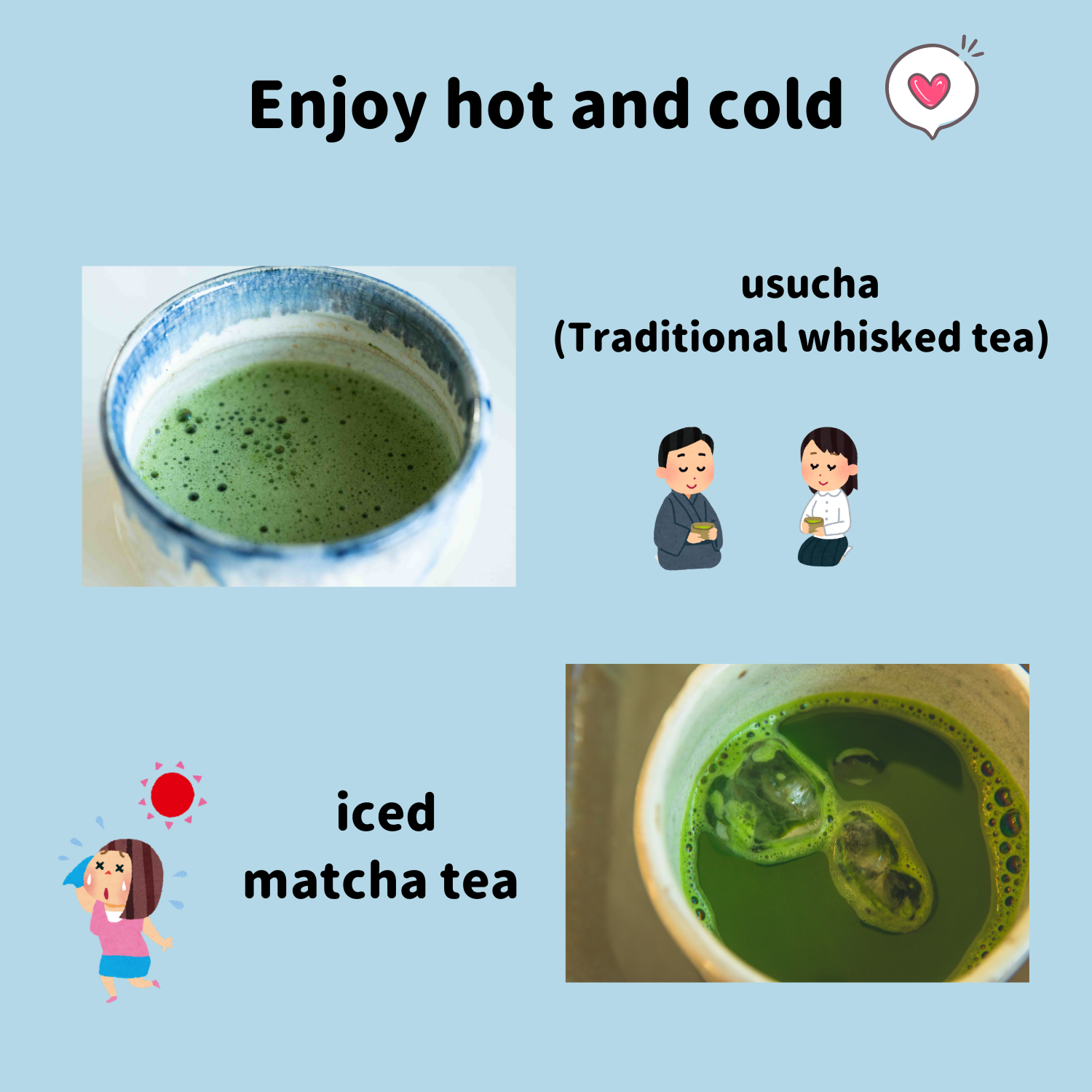
The Uji Hikari cultivar's flavor is delicate enough that keeping the water temperature on the cooler side makes a noticeable difference — this lets the umami come through rather than being masked by bitterness. This 40g bag yields roughly 13–20 bowls depending on your preference: use 2g for a thinner preparation (usucha) or 3–4g for a thicker preparation (koicha).
Best for: Tea ceremony practitioners who want a benchmark Kyoto cultivar; matcha connoisseurs building a single-origin collection and comparing cultivar profiles; anyone who wants to experience why Uji has been Japan's standard for ceremonial matcha for centuries. Not the best choice for those primarily making lattes, blended drinks, or baked goods — culinary-grade matcha is better suited and more cost-effective for those applications.
Frequently Asked Questions
What does “ceremonial grade” actually mean?
Ceremonial grade matcha is produced from the youngest, most tender leaves of the first-flush (ichibancha) harvest, shade-grown and then stone-ground into a fine powder intended for drinking straight in a bowl. It is distinguished from culinary grade by its delicate flavor, vibrant green color, and higher theanine content. First-flush leaves contain the highest amino acid levels of any seasonal harvest, which is what gives ceremonial-grade matcha its smooth, umami-forward character (Yamamoto, Kim & Juneja, 1997, Chemistry and Applications of Green Tea).
What is the Uji Hikari cultivar, and how does it differ from other matcha cultivars?
Uji Hikari (宇治ひかり, “light of Uji”) is a tea cultivar developed specifically for Uji, Kyoto's shaded matcha production environment. It was bred to thrive under the extended shade cultivation that suppresses catechin formation and boosts theanine — the amino acid responsible for umami and smooth sweetness. Compared to more widely grown cultivars such as Yabukita, Uji Hikari is considered a specialty single-origin variety prized by connoisseurs for its refined, nuanced flavor.
Why is Uji, Kyoto considered Japan's top matcha region?
Uji has been the historic center of Japanese matcha culture for centuries and is the home of Japan's three major tea ceremony schools: Urasenke, Omotesenke, and Mushakoji-senke. The region's climate, soil conditions, and generations of cultivar selection and refinement have established it as the benchmark for ceremonial-grade matcha production. Many of Japan's most prized matcha cultivars — including Uji Hikari — were developed expressly for Uji's growing conditions.
What water temperature should I use, and why does it matter?
Use water at approximately 75°C (165°F) — well below boiling. Higher water temperatures extract more catechins and tannins from the matcha, increasing bitterness and astringency. Lower temperatures allow the theanine (amino acid) content to express itself as umami and natural sweetness. This is especially important for a delicate cultivar like Uji Hikari, where the flavor profile depends on that amino acid character coming forward (Komes et al., 2010, Food Research International).
How many servings does a 40g bag provide?
At the standard serving of 2g per bowl (usucha, thin preparation), a 40g bag yields approximately 20 servings. At 3g per bowl, it yields approximately 13 servings. For a thick preparation (koicha), use 3–4g per serving, which will reduce the yield further. Because this is a ceremonial-grade, single-cultivar matcha, smaller servings (2g) are common and allow the subtler flavor nuances to be appreciated more clearly.
Additional information
| Size | 40g, 100g |
|---|
4 reviews for Uji Hikari Ceremonial Grade Matcha – Single Origin Kyoto, Japan (40g)
Only logged in customers who have purchased this product may leave a review.
Related products
-
Sale!

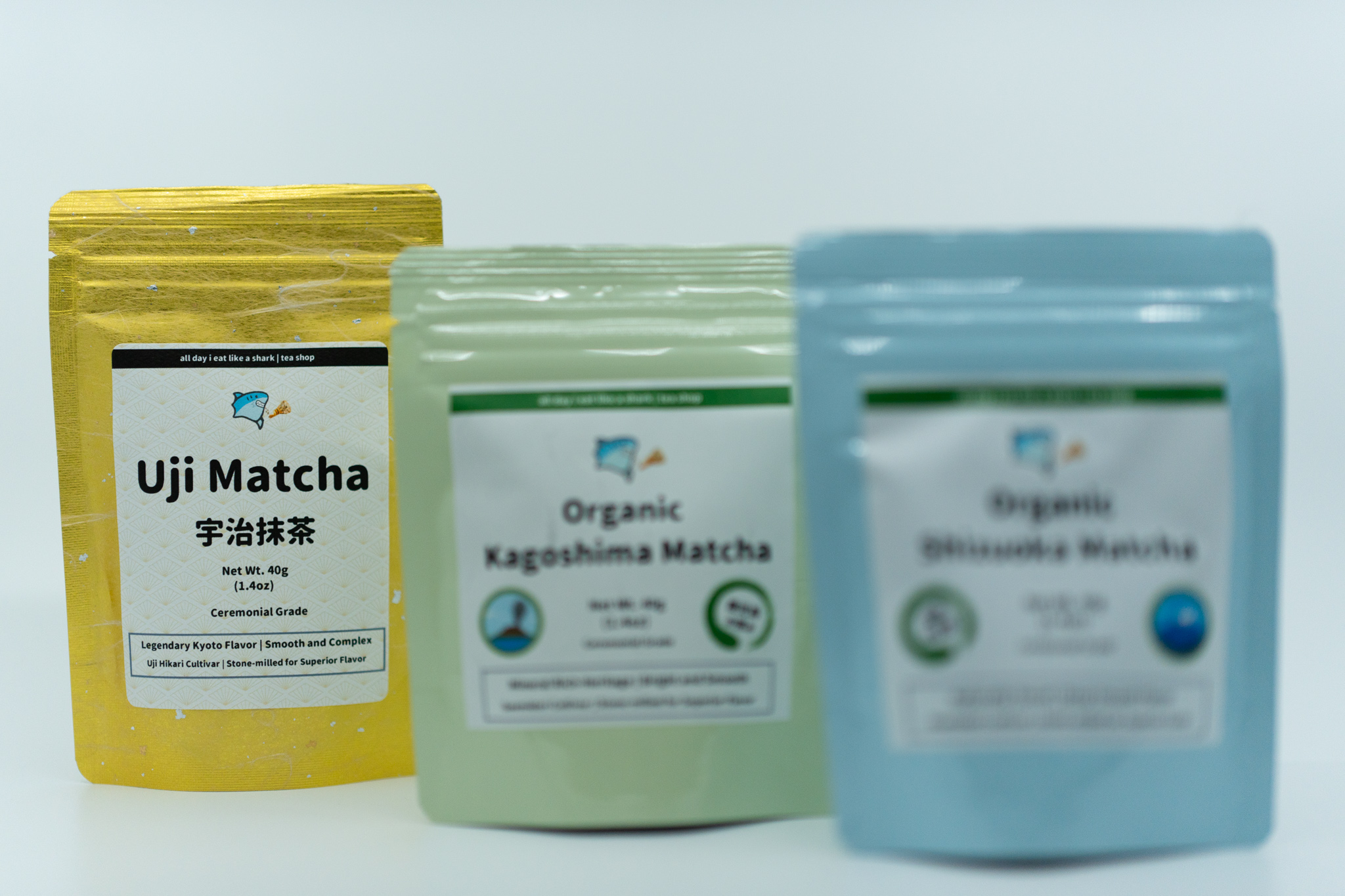
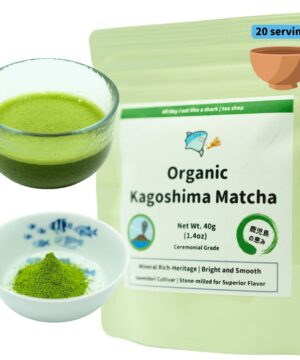
Organic Kagoshima Ceremonial Matcha – Saemidori Cultivar, Japan (40g)
Price range: $24.49 through $38.49Select options This product has multiple variants. The options may be chosen on the product page -
Sale!
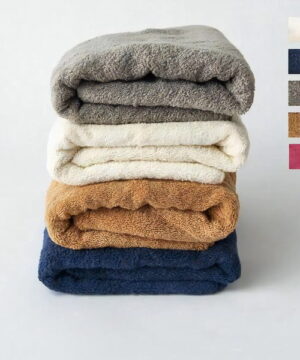
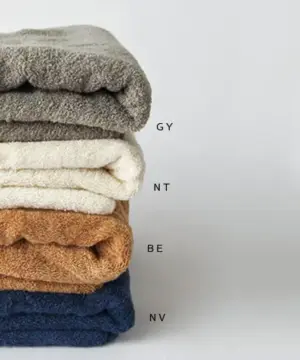
Imabari Certified 100% Cotton Bath Towel – Made in Japan
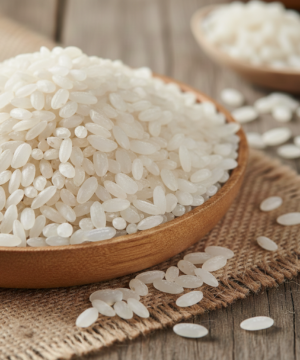
Original price was: $49.99.$29.99Current price is: $29.99.Select options This product has multiple variants. The options may be chosen on the product page The Rice Factory Freshly Milled Japanese Rice – 5 lb Bag
$30.00Select options This product has multiple variants. The options may be chosen on the product page
&url=https://shop.alldayieat.com/product/uji-hikari-matcha-uji-hikari-cultivar-ceremonial-grade-40-gram-bag/&media=https://shop.alldayieat.com/wp-content/uploads/2024/11/uji-hikari-single-origin-matcha-40g-bag-1200x1200.jpg)
&url=https://shop.alldayieat.com/product/organic-kagoshima-matcha-saemidori-cultivar-ceremonial-grade-40-gram-bag/&media=https://shop.alldayieat.com/wp-content/uploads/2024/10/kagoshima-matcha-saemidori-cultivar-40g-main-trio-1200x1200.jpg)


Sci-Fi –
This matcha tastes lovely! It’s a beautiful green color and smells fresh. I accidentally got some on my finger while opening, and was shocked at how delicious it was on its own! The matcha is smooth on the palate and has a soft sweetness that perfectly complements its subtle bitterness.
I usually prefer my matcha simple, perhaps with a touch of honey, but this variety from Uji, Japan, needs absolutely nothing added to experience its full flavor and delight.
I’ll definitely be buying from this shop again when I finish this bag. Highly recommend! (And the packaging is cute – I love the little shark.)
Mr.Camel –
This matcha powder receives high praise from my Japanese family members, who consider it one of the best. My daughters and wife are particularly pleased with its quality. Having experienced issues with other products, including “fake Uji matcha” that caused illness, we can confidently say this is real Uji matcha. It yields great results in oatly matcha lattes, making them very flavorful and creamy. Highly recommended!
Stephanie –
This matcha stands out as much better priced and higher quality than many other products found online. It truly checked all the boxes for me: it’s from Uji, the most established region for matcha production, made with Hikari, one of the best and most versatile cultivars, and boasts a vibrant color. I’m thoroughly enjoying it both as usucha and in lattes, and I will definitely be ordering it again.
Lucas –
This matcha is vibrant green and perfectly balanced—earthy yet subtly sweet. It whisked beautifully for traditional tea preparation and blended seamlessly into lattes.