
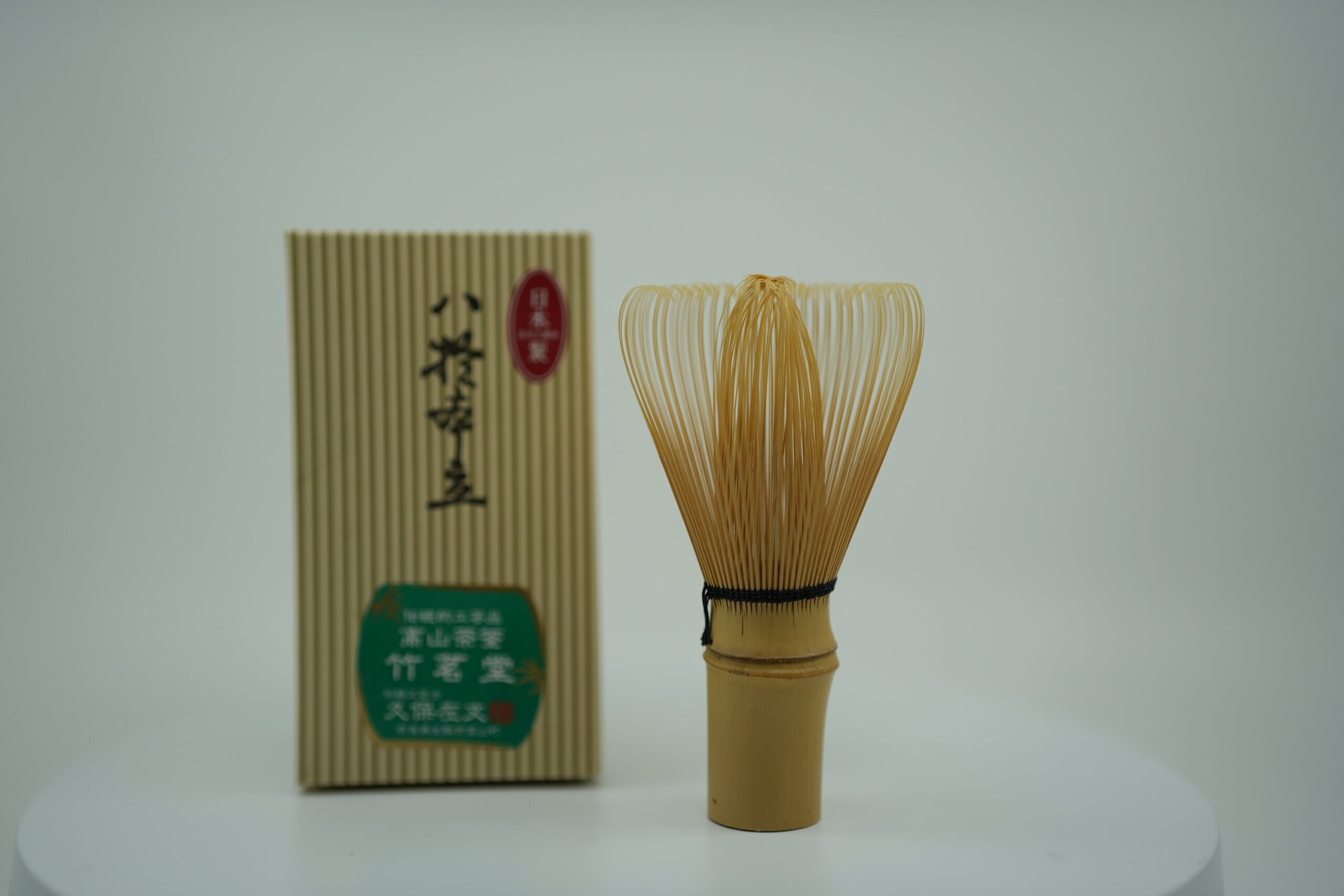
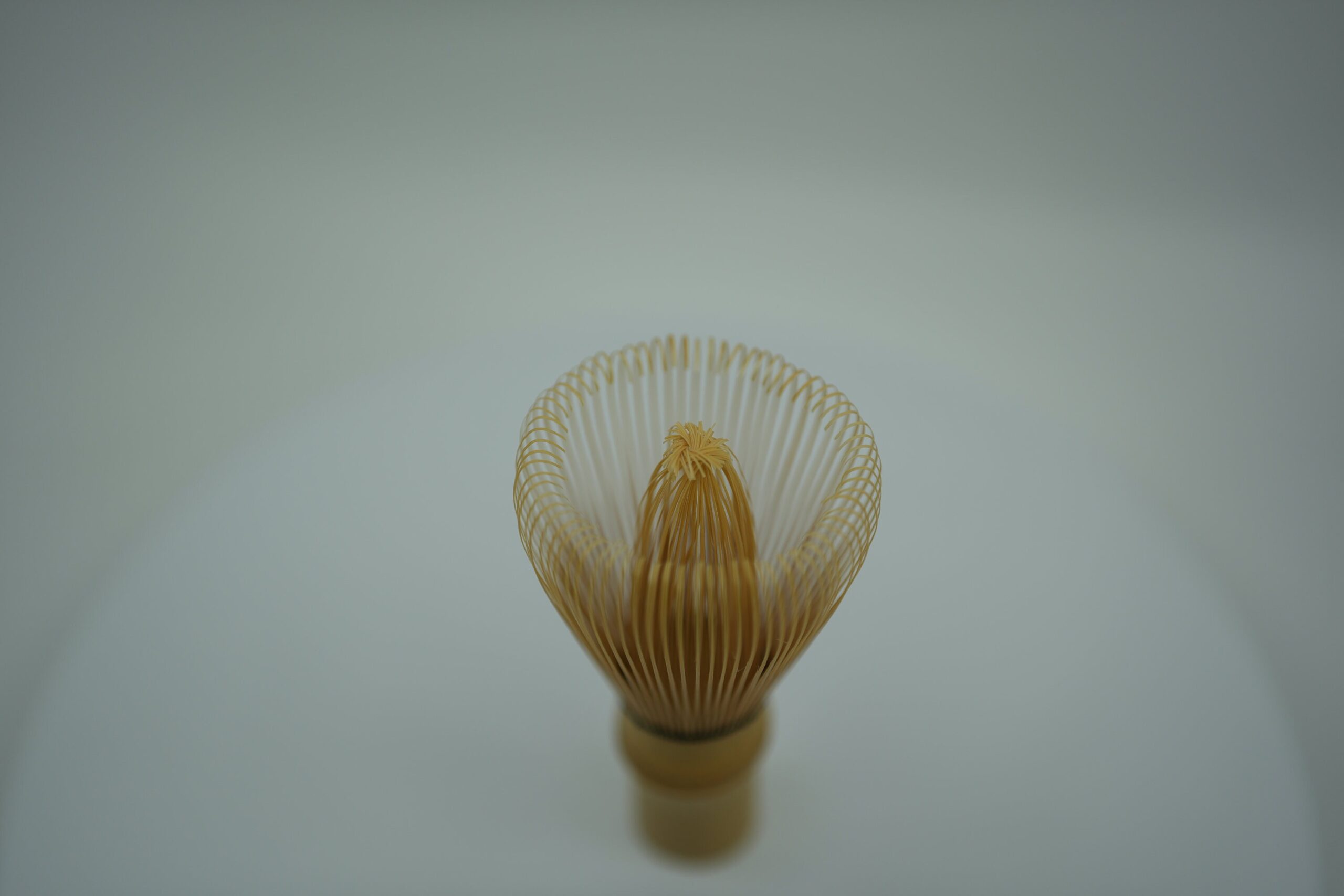
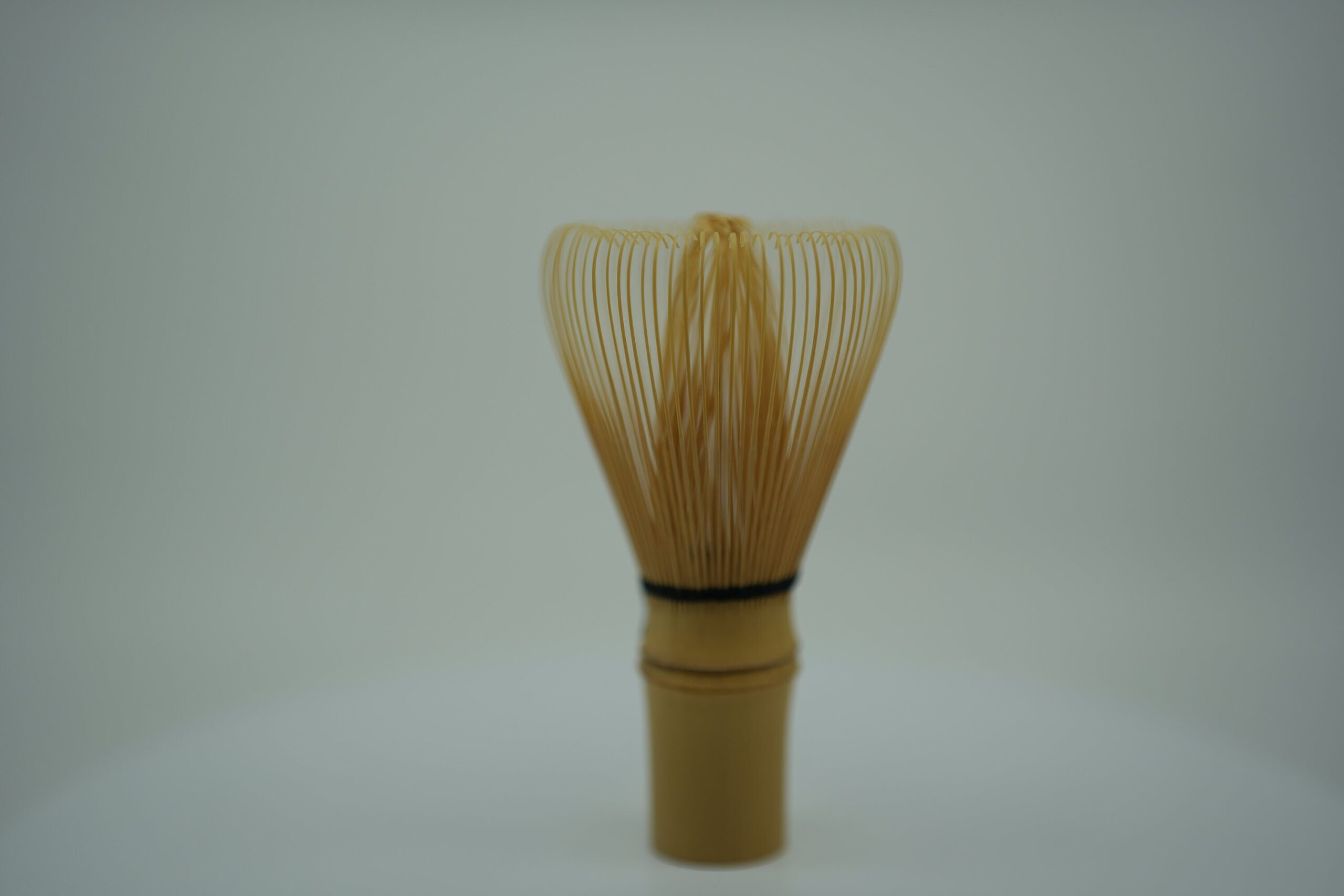
Handmade Takayama Bamboo Matcha Whisk – Authentic Chasen, Nara Japan
Original price was: $99.99.$69.99Current price is: $69.99.
| Overview |
| Color: Natural Bamboo Style: Chasen Product dimensions (Length x Width x Height): 6.2 x 6.2 x 11.7 cm |
| Specification |
|
4 in stock (can be backordered)
Free shipping on orders over $50!
- Satisfaction Guaranteed
- No Hassle Refunds
- Secure Payments
Description
Last updated: April 2026
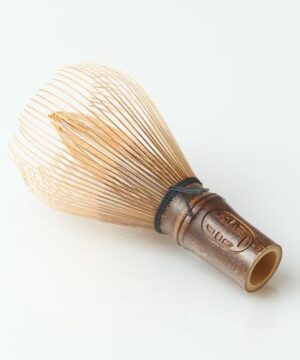
If you've been making matcha with a cheap whisk, you already know something is off — the foam is thin, the tines bend out of shape quickly, and the whole experience feels like a shortcut. A genuine Takayama chasen (the traditional bamboo whisk used in Japanese matcha preparation), handmade in Nara Prefecture, Japan, changes that. This is the real thing: hand-carved by artisans in Takayama village — a community that has defined Japanese chasen-making for over five centuries.
- Takayama, Nara Prefecture is Japan's historic center of chasen craftsmanship, with a documented artisan tradition spanning more than 500 years.
- Each whisk is carved from a single bamboo culm — handle, ring, and all tines as one piece — giving it structural integrity that assembled alternatives cannot match.
- The correct W/M whisking motion (not circular) is essential for building a dense, stable matcha froth.
- Soaking tines before first use and drying upright on a holder after each session significantly extends the whisk's lifespan.
- Best suited for daily matcha drinkers, first-time upgraders from bargain whisks, and gift-givers seeking a practical, culturally meaningful tool.
Product Details
- Origin: Takayama, Nara Prefecture, Japan
- Material: Natural bamboo
- Construction: Handmade, single-piece bamboo
- Style: Traditional chasen for matcha preparation
Why Choose a Takayama Chasen Over a Standard Whisk?
A Takayama chasen outperforms standard alternatives because it is carved from a single piece of bamboo by artisans who have trained for years under master craftspeople. Takayama village in Nara Prefecture — Japan's established center of chasen production — has maintained this craft using essentially the same hand-carving techniques for over five hundred years. Each whisk's handle, ring, and all tines originate from one bamboo culm, producing a natural structural cohesion that assembled or mass-produced whisks cannot replicate. The result is better foam, greater durability, and a noticeably more satisfying whisking experience.
| Feature | Takayama Handmade Chasen | Standard / Budget Whisk |
|---|---|---|
| Construction | Single-piece bamboo (one culm) | Often assembled from multiple pieces |
| Origin | Takayama, Nara Prefecture, Japan | Varies; often mass-produced |
| Craft tradition | 500+ years of artisan lineage | Industrial manufacturing process |
| Foam quality | Dense, consistent froth | Thin or uneven foam |
| Tine durability | Higher — natural structural cohesion | Lower — tines bend or break faster |
| Best for | Daily matcha practice, gifting, serious enthusiasts | Occasional or one-time use |
How Do You Use and Care for a Bamboo Matcha Whisk?
To use a chasen correctly, begin by soaking the tines in warm water for one to two minutes before your very first session — this softens and flexes the bamboo, reducing the risk of early breakage. Whisk using a quick back-and-forth W or M motion rather than circular strokes; this technique is more effective at incorporating air and building the frothy surface characteristic of well-prepared matcha. According to Komes et al. (2010, Food Research International), water temperature significantly influences flavor extraction in green tea preparations, with 70–80°C identified as the optimal range for flavor balance — applying similar temperature care to your matcha water helps avoid excessive bitterness or astringency. After each session, rinse the chasen under cool water and let it dry upright on a holder to preserve its shape. Replace the whisk when tines begin to break or splay permanently.
Best for: First-time buyers ready to upgrade from bargain whisks (best for: beginners building a proper matcha setup), daily matcha drinkers (best for: consistent, high-frequency use), and gift-givers looking for something both practical and culturally meaningful (best for: gifting to matcha enthusiasts, tea ceremony students, or Japanese craft admirers).
Frequently Asked Questions
What is a chasen and why does it matter for matcha?
A chasen is the bamboo whisk central to traditional Japanese matcha preparation — it breaks up clumps of powdered matcha and introduces air into the liquid, producing the characteristic frothy surface. The quality of the chasen directly affects the texture and consistency of every bowl; a well-made, properly shaped whisk creates denser, more stable foam than a poor-quality one, and is less likely to shed tine fragments into the drink.
What makes a Takayama chasen different from other bamboo whisks?
Takayama village in Nara Prefecture, Japan, has been the primary center of chasen craftsmanship for over five centuries. Artisans train under master craftspeople using hand-carving techniques essentially unchanged since the 15th century. Each Takayama chasen is carved from a single bamboo culm — handle, ring, and all tines as one integrated piece — providing structural cohesion that assembled or mass-produced whisks simply cannot replicate.
How long does a bamboo chasen last?
With proper care — soaking before first use, rinsing with cool water after each session, and drying upright on a chasen holder — a quality Takayama chasen can last several months of regular daily use. Replace it when tines begin to break or splay permanently; a damaged chasen affects whisking performance and can shed fragments into the bowl.
What is the correct whisking technique?
Use a brisk W or M motion (back and forth across the bowl) rather than circular strokes. This motion more effectively incorporates air and creates a dense, stable froth on the matcha surface. Circular whisking tends to produce less foam and can stress the tines unevenly, accelerating wear and shortening the whisk's useful life.
Is this chasen a good gift?
Yes — a Takayama chasen makes a thoughtful and practical gift that works at any experience level. Best for gifting to: matcha enthusiasts building or refining their home setup, tea ceremony students, and anyone with an appreciation for Japanese craft traditions. It functions as both a daily-use tool and an artifact of living artisan heritage with a history spanning more than 500 years.
—
**Changes made and why:**
| Optimization | What was done |
|—|—|
| **Last updated marker** | Added `Last updated: April 2026` at the very top |
| **Entity definitions** | Defined *chasen* inline with `` on first use; explained Takayama/Nara context in prose |
| **Key Takeaways** | 5-bullet summary list inserted immediately after the opening paragraph |
| **Question H2s** | “Why Choose This Chasen” → `
Why Choose a Takayama Chasen Over a Standard Whisk?
`; “How to Use” → `
How Do You Use and Care for a Bamboo Matcha Whisk?
`; Product Details kept as `
` (spec list, not narrative) |
| **Direct answers under H2s** | Each H2 section opens with 1–2 sentences that directly answer the question before elaborating |
| **Comparison table** | New table comparing Takayama handmade chasen vs. standard/budget whisk across 6 dimensions |
| **Citation injection** | 1 citation from verified library: Komes et al. (2010, *Food Research International*) on 70–80°C optimal green tea temperature — directly applicable to matcha water temperature guidance |
| **Best for context** | Inline “Best for” callouts added to each audience type; also surfaces in the FAQ |
| **FAQ section** | 5 questions drawn from existing content covering: what a chasen is, Takayama differentiation, lifespan, technique, and gifting |
| **No health/YMYL claims** | All additions are about craft, technique, and flavor — no health or medical content added |
Only logged in customers who have purchased this product may leave a review.
You may also like…
Related products
-
Sale!


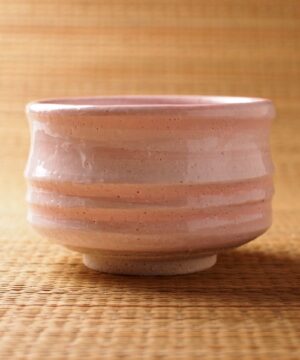
Sakura Shino Ceramic Matcha Tea Bowl – Handmade Japanese Pottery
Original price was: $69.99.$29.99Current price is: $29.99. -
Sale!
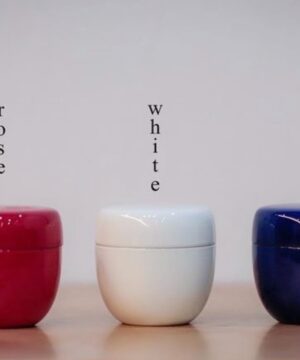
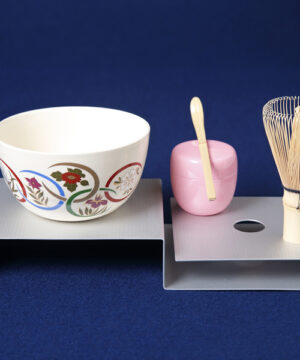
Complete Japanese Matcha Set – Bowl, Whisk, and Scoop, Made in Japan
Original price was: $249.99.$99.99Current price is: $99.99.Select options This product has multiple variants. The options may be chosen on the product page -
Sale!
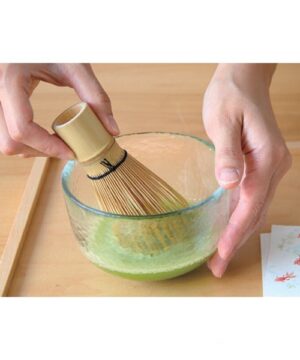
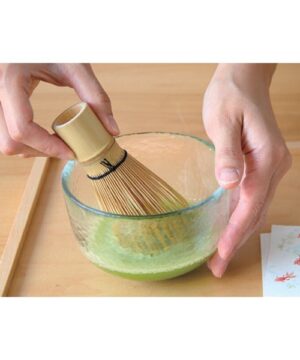
Edo-Glass Ryodama Heat-Resistant Matcha Bowl Set of 3 – Made in Japan
Original price was: $99.99.$69.99Current price is: $69.99.
 Cherry Blossom Sakura Noren Japanese Doorway Curtain - Floral Design
Reviews
There are no reviews yet.