
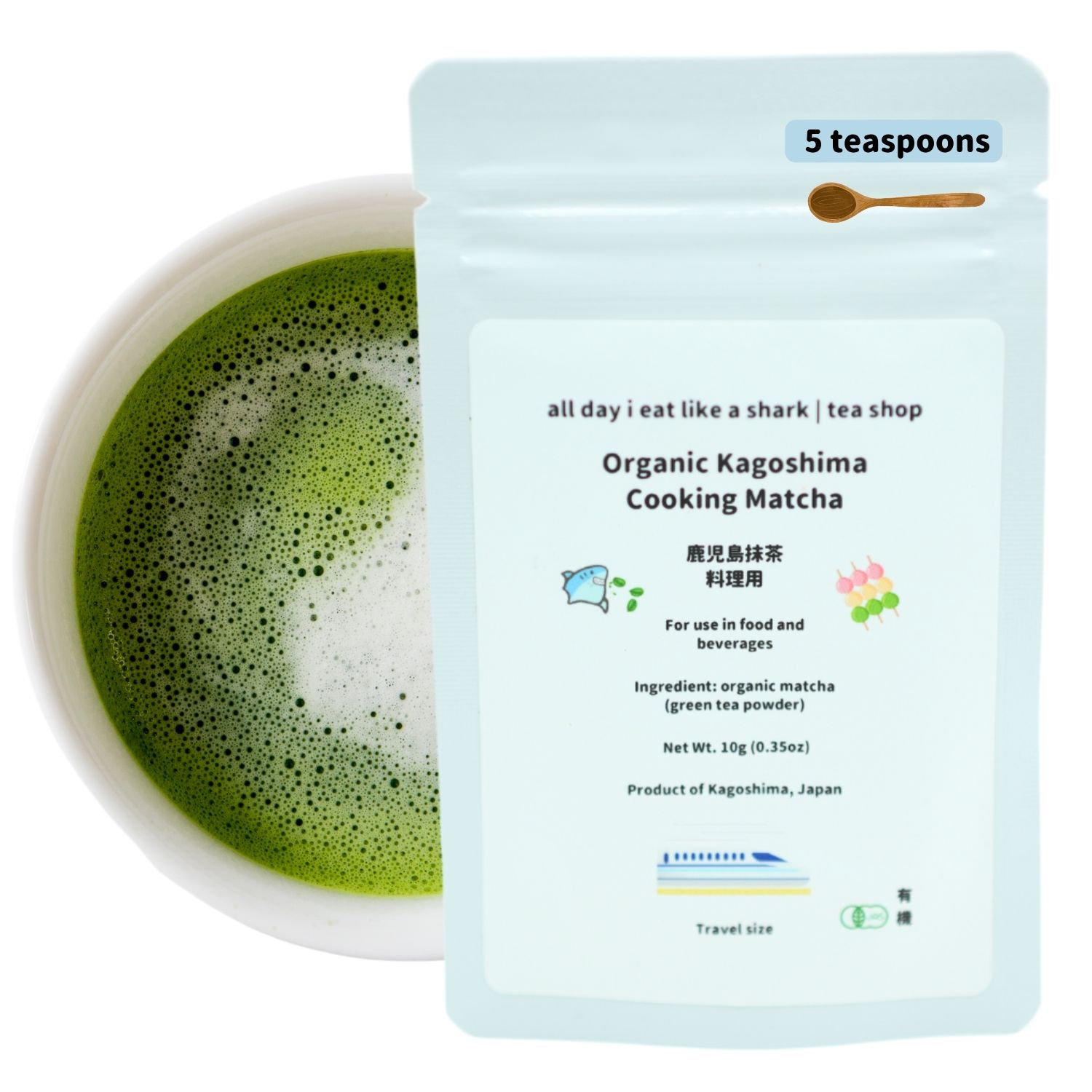
Kagoshima Organic Cooking Matcha Powder – Travel Size Japan (10g)
Original price was: $7.99.$5.99Current price is: $5.99.
Organic cooking matcha from Kagoshima, Japan is the BEST way to add flavor, color and nutrition to your favorite lattes, blended drinks or your cooking and baking needs.
- 10g of organic culinary matcha contains 5 teaspoons
- Certified JAS Organic
- Non-GMO
- First harvest
- No-additives
- Stone-milled
- Authentic Japanese Origin
- Unsweetened
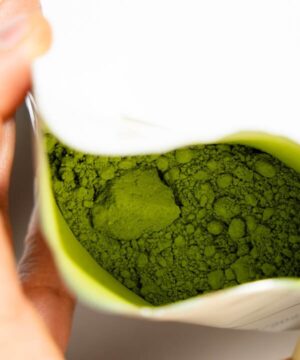
- 100% Pure Premium organic matcha powder
Compare this with the Shizuoka cooking matcha and see if you can tell the difference!
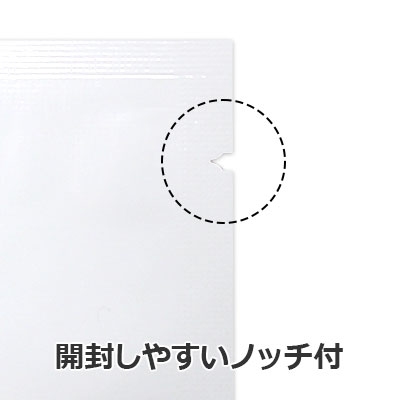
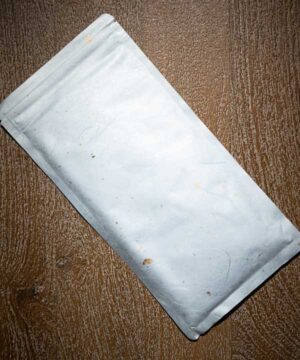
Comes in an aluminum lined washi (traditional japanese paper) bag to protect the tea from heat, light and oxidation.
Just pay shipping to get this free sample(s); up to 6 different tea samples per order.
4 in stock (can be backordered)
Free shipping on orders over $50!
- Satisfaction Guaranteed
- No Hassle Refunds
- Secure Payments
Description
Last updated: April 2026
Curious what the difference is between ‘ceremonial' and ‘cooking' or ‘culinary' matcha? Continue reading and discover what the differences are!
Key Takeaways
- Ceremonial matcha is for drinking straight — whisked with hot water — while cooking matcha (ryouriyou) is designed for lattes, smoothies, baked goods, and savory dishes.
- Using expensive ceremonial matcha in recipes wastes its delicate flavors and aromas, which are lost when diluted or heated.
- Kagoshima and Shizuoka are two of Japan's premier matcha-growing regions, each producing teas with distinct flavor profiles shaped by their unique terroir.
- According to the Japan Tea Central Association (2024), Shizuoka prefecture alone accounts for approximately 40% of Japan's total annual tea production.
- This 10g travel-size bag is ideal for first-time buyers wanting to explore Kagoshima cooking matcha before committing to a larger quantity.
What Is the Difference Between Ceremonial and Cooking Matcha?
Ceremonial matcha is intended for drinking straight after whisking with hot water, while cooking (culinary) matcha is formulated for use in recipes where its flavor and color survive dilution and heat. In Japan, when shopping for matcha you'll find the term ryouriyou (料理用) — translated, this means “for cooking use.” However, most matcha sold in Japan is intended for drinking. Because of that, drinking matcha is simply called matcha. The only way to differentiate cooking from drinking matcha is the word ryouriyou on the package.
To put the differences simply, matcha — or what is sold as ‘ceremonial' — is for drinking straight after adding hot water and whisking. Cooking or culinary matcha is intended to be used for everything else.
While I won't stop you from using regular matcha in your cooking, for many (including me) you might not be using your matcha to its fullest potential. When you dilute matcha in your smoothies, lattes, baked goods, and other foods like soba, you'll lose a lot of the delicate flavors and aromas that make each matcha special. These characteristics are what enable matcha to sell for such high prices — for example, over $100 for just 40g!
So why would you waste it?
Ceremonial vs. Cooking Matcha: At a Glance
| Feature | Ceremonial Matcha | Cooking / Culinary Matcha |
|---|---|---|
| Japanese Term | Matcha (抹茶) | Ryouriyou matcha (料理用抹茶) |
| Intended Use | Drinking straight, whisked with hot water | Lattes, smoothies, baked goods, savory dishes |
| Flavor Profile | Delicate, nuanced, umami-forward | Robust, grassy — tolerates mixing and heat |
| Price Point | Higher (e.g., $100+ per 40g) | More affordable |
| Best For | Tea ceremony, mindful sipping, gifting | Everyday cooking, baking, flavoring drinks |
Why Does Matcha from Kagoshima Taste Different?
Matcha grown in Kagoshima tastes distinct from other Japanese regions primarily because of terroir — the unique combination of soil, climate, altitude, and water that shapes every aspect of the tea leaf. The French word terroir, which loosely translates to “environment,” captures how all of these conditions interact with the tea leaf cultivar and processing techniques to produce a distinct flavor, color, and aroma.
So now that you know matcha is for drinking and ‘cooking' matcha is for everything else, why not try some of my favorites from one of Japan's renowned tea-growing regions — Kagoshima? According to the Japan Tea Central Association (2024), Shizuoka prefecture produces approximately 40% of Japan's total tea output — making it one of Japan's most prominent tea regions. Kagoshima, by contrast, benefits from a warmer southern climate and mineral-rich volcanic soils, lending its matcha a notably different character. Japanese green tea, including matcha, does taste different here than in other regions such as Shizuoka. According to Japan's Ministry of Agriculture, Forestry and Fisheries (MAFF, 2024), both regions rank among Japan's top tea-producing prefectures, each with documented differences in cultivar selection and processing technique.
Try and see if you can tell this Kagoshima cooking matcha apart from the Shizuoka one! 🙂
Product Details
Best for: Everyday matcha cooking and baking, green tea lattes, smoothies, and anyone curious about how Japan's southern growing regions compare to classic Shizuoka matcha — without the ceremonial-grade price tag.
- Vegan, Gluten free, Keto friendly
- Authentic Japanese origin — Kagoshima Prefecture
- 100% Pure Premium organic matcha powder
- Certified JAS Organic — Japan's national standard for certified organic agricultural products, administered by MAFF
Frequently Asked Questions
Can I use ceremonial matcha for cooking?
Yes, but it is generally not recommended. Ceremonial matcha commands a higher price precisely because of the delicate flavors and aromas it carries — qualities that are largely lost when mixed into lattes, baked goods, or smoothies. Cooking matcha delivers the same vibrant green color and matcha flavor at a much more practical cost.
What does ryouriyou mean?
Ryouriyou (料理用) is a Japanese term meaning “for cooking use.” In Japan, this label on a matcha package indicates it is culinary-grade — intended for recipes rather than for drinking straight. Without this label, matcha is assumed to be for drinking.
What is terroir and why does it matter for matcha?
Terroir refers to the full set of environmental conditions — soil composition, altitude, rainfall, and climate — that influence the flavor of agricultural products. For matcha, terroir is why Kagoshima and Shizuoka teas taste noticeably different despite both being premium Japanese green teas. According to MAFF (2024), regional cultivation conditions are officially tracked as a key variable in Japanese tea quality and production.
Is this matcha suitable for a vegan or keto diet?
Yes. This Kagoshima organic cooking matcha is vegan, gluten-free, and keto-friendly. Pure matcha powder is made solely from ground green tea leaves and contains no animal products or significant carbohydrates.
What is JAS Organic certification?
JAS Organic is Japan's national organic certification standard, established and administered by the Ministry of Agriculture, Forestry and Fisheries (MAFF). Products bearing this seal have been verified to meet strict Japanese standards for organic farming practices and processing — equivalent in rigor to USDA Organic certification in the United States.
Only logged in customers who have purchased this product may leave a review.
You may also like…
-
Subscribe & Save up to 15%
Sale!

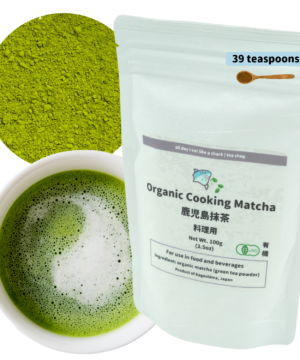
Kagoshima Organic Cooking Matcha Powder – Single Origin Japan (100g)
Original price was: $27.99.$19.59Current price is: $19.59. — or subscribe to save up to 15% -
Subscribe & Save up to 15%
Sale!
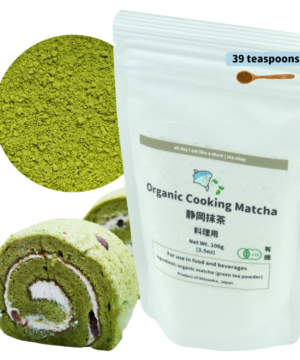
Shizuoka Organic Cooking Matcha Powder – Single Origin Japan (100g)
Original price was: $27.99.$19.59Current price is: $19.59. — or subscribe to save up to 15% -
Sale!
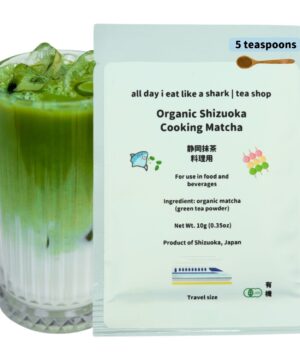
Shizuoka Organic Cooking Matcha Powder – Travel Size Japan (10g)
Original price was: $7.99.$5.99Current price is: $5.99.
Related products
-
Sale!
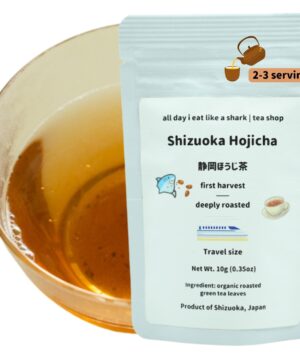
Shizuoka Organic Hojicha Loose Leaf Tea – Roasted Japanese Green Tea (10g)
Original price was: $8.00.$3.99Current price is: $3.99. -
Sale!
Organic Ceremonial Matcha Subscription – 40g Monthly Box from Japan
$19.99 / monthSelect options This product has multiple variants. The options may be chosen on the product page -
Sale!
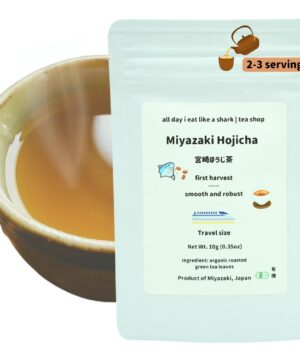
Miyazaki Organic Hojicha Loose Leaf Tea – Roasted Japanese Green Tea (10g)
Original price was: $8.00.$5.99Current price is: $5.99.
Reviews
There are no reviews yet.