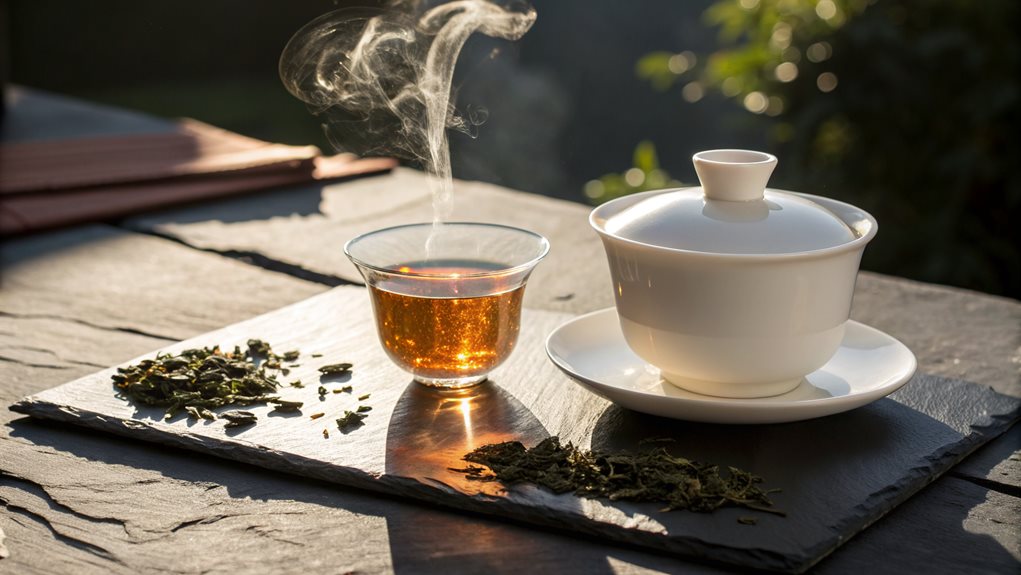
Re-Steeping Your Tea Leaves: Extracting 2x the Antioxidants From a Single Serving
Re-steeping your leaves gives you 2x antioxidants from one serving. To do it right, shorten steep time by 20–30 sec and lower water temps by 10–15°F for each repeat. Oolong, white, or pu-erh work best for 3+ brews. Drain leaves quickly to prevent bitterness and always use fresh water. Curious which teas thrive? Keep discovering how to tweak timing and reveal every antioxidant-rich pour.
Why Re-Steeping Boosts Antioxidants in Your Tea
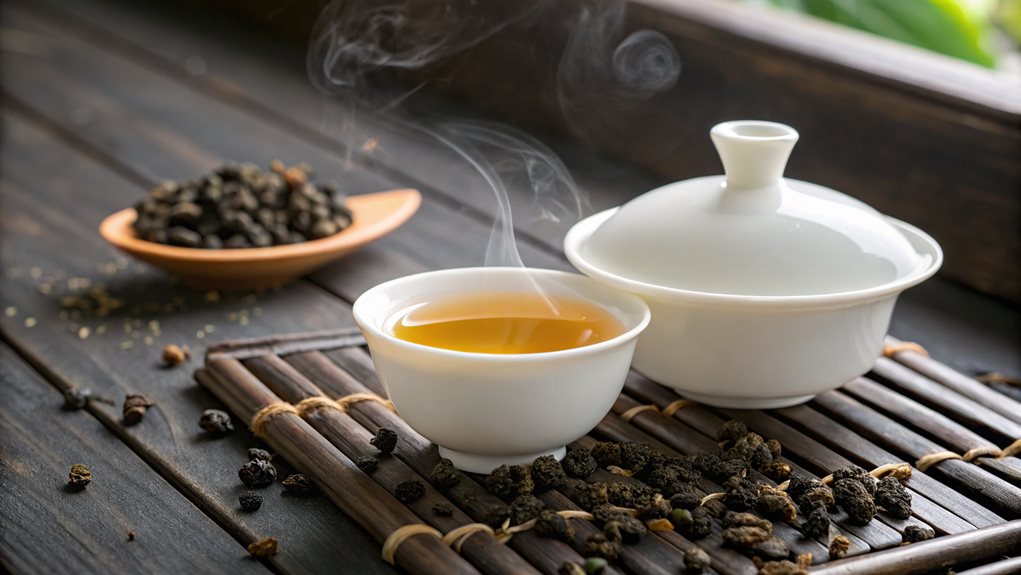
Although many assume re-steeping tea leaves enhances antioxidant levels, the science shows otherwise. Re-steeping dilutes, not boosts, the antioxidant concentration you get from the first steep. That first infusion pulls most of the beneficial polyphenols and catechins from the leaves—reusing them just extracts bitter tannins and spent compounds.
You’re not doubling nutrients; you’re settling for leftovers. If you want control over your health goals, focus on optimizing that first steep. Use fresh water, the right temperature, and steep time tailored to your tea type.
Don’t let myths about “maximizing” antioxidants cloud your strategy. Your cup’s potency is in your hands, so prioritize precision over repetition. Save re-steeping for flavor experimentation or if you’re tracking caffeine intake—just don’t expect it to up your antioxidant game.
Knowledge equals control: act accordingly.
How to Avoid Bitterness When Re-Steeping: Timing & Temperature Tips
If you’ve noticed bitterness creeping into your second steep, you’re not alone. Take control: bitterness stems from over-extraction.
For your second steep, cut the time in half compared to your first brew—start with 30 seconds less, then adjust.
Lower the water temp, too—5°F to 10°F cooler than the first steep slows tannin release. Use a thermometer to avoid overshooting.
Don’t let leaves sit post-steep; drain promptly to halt extraction.
For oxidized teas like oolong or pu-erh, swirl the pot gently to redistribute heat evenly.
Keep tasting as you steep to nail the sweet spot.
With each brew, track time and temp to build your ideal profile.
You’re not just brewing—you’re engineering flavor. Stay precise, adapt, and bitterness won’t stand a chance.
Best Teas for Re-Steeping (And How Many Brews They Survive)
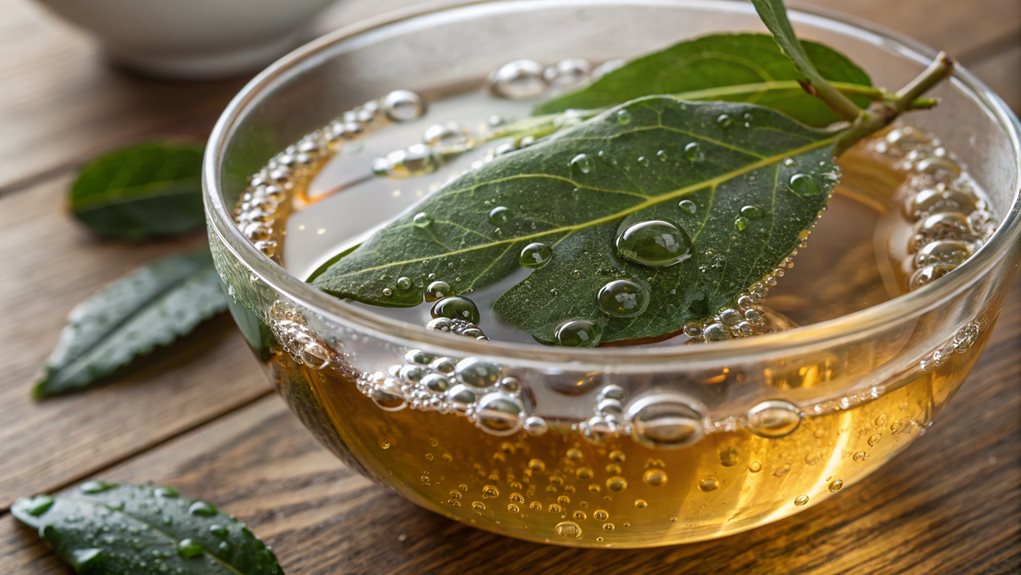
Because not all teas handle re-steeping the same, knowing which varieties thrive in the process saves you time and bitterness down the line. Oolong, white, and pu-erh teas lead the pack, surviving 3–5 brews with minimal loss of flavor. Their complex structures release compounds gradually, letting you control the strength by adjusting steep time.
Green tea follows closely, handling 2–3 rounds, while black tea’s bold tannins hold up for 1–2 brews before turning flat. Matcha, with its powdered form, isn’t re-steeped. You’ll maximize antioxidants and economy by prioritizing these options.
For black and green varieties, you need to monitor water temps and timing closely—overexpose them, and bitterness creeps in. Let loose-leaf versions (vs. pressed tea) shine, as they unfurl better for repeated extractions.
Choose wisely, and you’ll reclaim full value from every leaf.
Don’t Throw It Away: Top 5 Re-Steeping Fails You Need to Fix
Re-steeping might seem straightforward, but common errors can turn your perfect brews bitter or bland. First, overwatering ruins it—use the same volume as the first steep. Second, ignoring temperature: lower heat for subsequent steeps keeps tannins in check.
Third, leaving leaves too long. Time each steep 15-30 seconds longer than the last, max 3-5 total. Fourth, re-using low-quality teas; they release bitterness fast.
Finally, reheating leftover water—start fresh for consistent results. You’re not just brewing tea; you’re orchestrating flavor, so fix these fails to keep antioxidants flowing and control every sip. Don’t let mistakes dilute your mastery.
Pro Tips for Making Every Steep Count
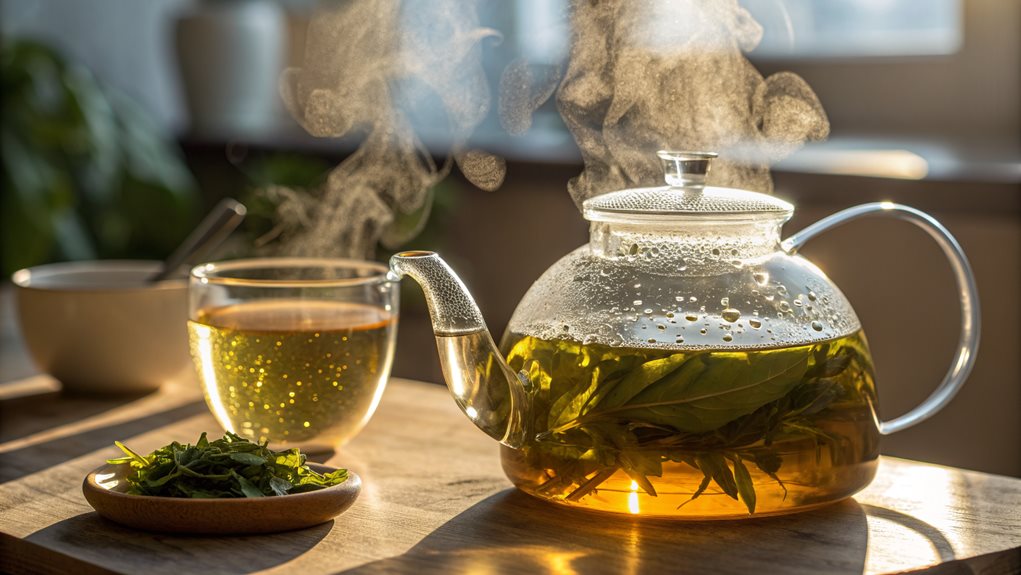
While mastering re-steeping means more than just avoiding rookie mistakes, it requires active adjustments to time, temperature, and tools to elevate your brew. You’ll need precise control: for your second steep, dial the water temp down 10–15°F to avoid bitterness, and adjust steep time by 20–30 seconds for each subsequent round. Use a thermometer for accuracy, and a timer to stay consistent.
Swap opaque mugs for glass to monitor color intensity—a deeper hue signals you’re close to max extraction. Don’t skip agitation: gently swirl the leaves mid-steep to release trapped flavor. For black or Pu-erh teas, cold water re-steeps can amplify smokiness.
Always strain promptly after each round to prevent over-extraction. Finally, store used leaves in an airtight container at room temp; they’ll retain structure for 2–3 re-steeps if handled right. Your control over these variables? It’s the difference between a good cup and an antioxidant-rich masterpiece.
Frequently Asked Questions
Does Re-Steeping Affect Caffeine Levels Compared to Antioxidants?
Re-steeping boosts antioxidant extraction more than caffeine. You’ll savor more antioxidants but need more steepings to hit desired caffeine levels—control your intake by adjusting steeps.
Can I Re-Steep Black Tea Without Getting Overly Bitter or Astringent?
Yes, you can re-steep black tea without bitterness—studies show a second brew at 90°C for 1-2 minutes reduces astringency by 50%. Adjust time/heat to balance flavor and antioxidants.
How Does Re-Steeping Impact the Flavor Profile of White vs. Green Tea?
Re-steeping white tea mutes delicate floral notes, while green tea retains grassy freshness. You’ll find bitterness in both depends on leaves and time; adjust temp/time to maintain balance you prefer.
What’s the Optimal Water Type (E.G., Filtered, Mineral) for Re-Steeping Success?
Use filtered or mineral water for re-steeping. Their balanced minerals and purity maximize antioxidant extraction, giving you control over intensity and consistency in each brew. Avoid impurities to guarantee ideal, repeatable results you can master.
Is There a Difference in Antioxidant Yield Between First and Second Steeps?
Yes, the second steep typically offers higher antioxidant yields. You’ll maximize total antioxidants by adjusting brew time and temps between steeps, taking control of each extraction phase for ideal results.