
Shizuoka Organic Cooking Matcha Powder – Single Origin Japan (100g)
Original price was: $27.99.$19.59Current price is: $19.59. — or subscribe to save up to 15%
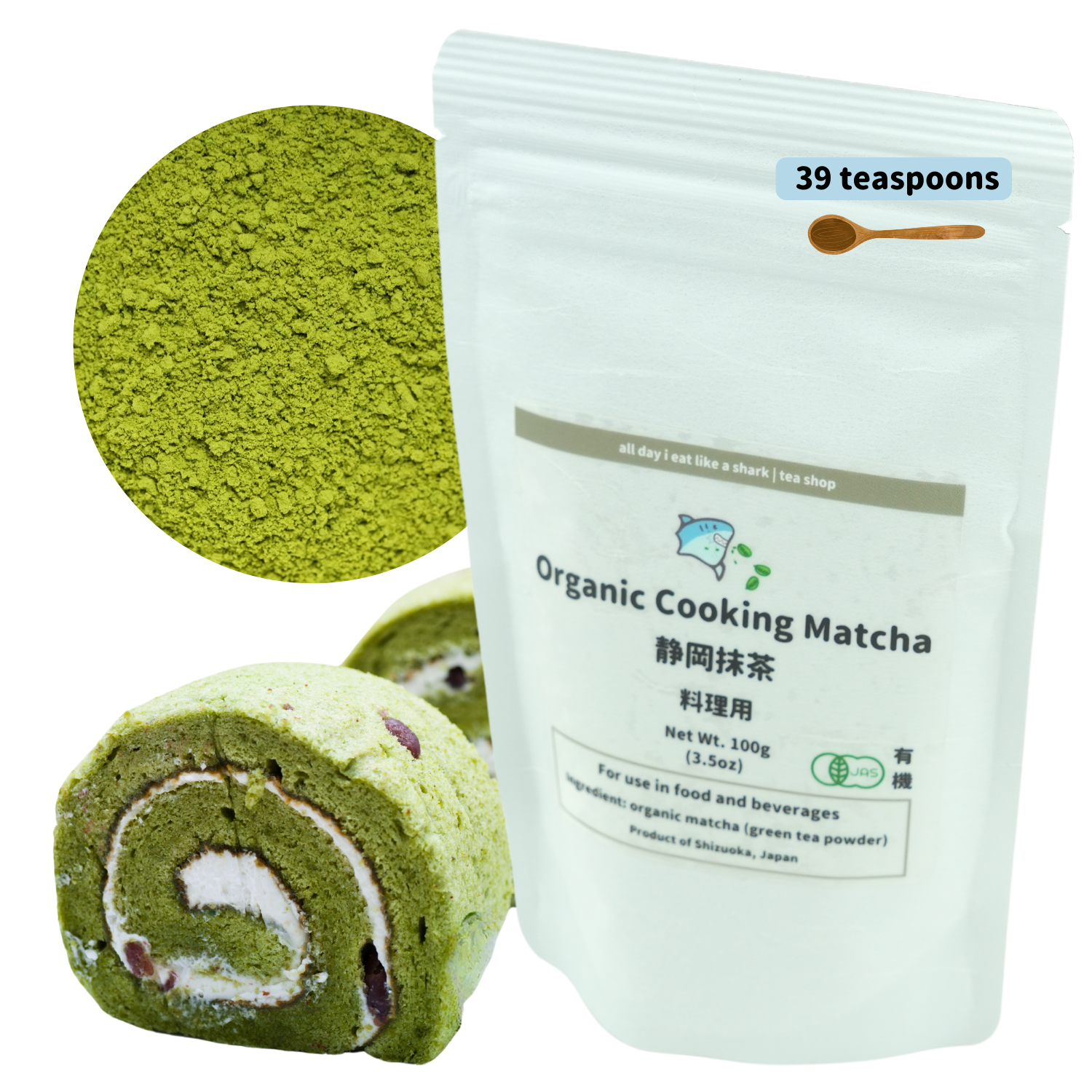
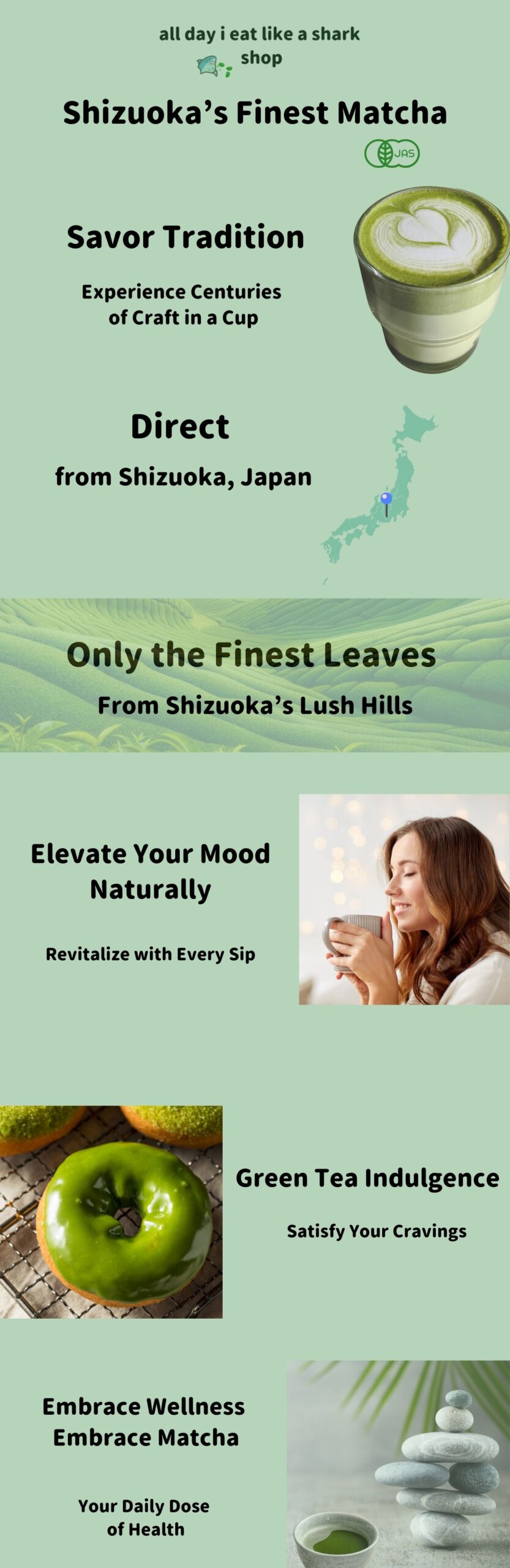
Organic cooking matcha from Shizuoka, Japan is the BEST way to add flavor, color and nutrition to your favorite lattes, blended drinks or your cooking and baking needs.
- 100 grams is 16 1/2 Tablespoons of matcha powder
- Certified JAS Organic
- Non-GMO
- No-additives
- Stone-milled
- Authentic Japanese Origin
- Unsweetened
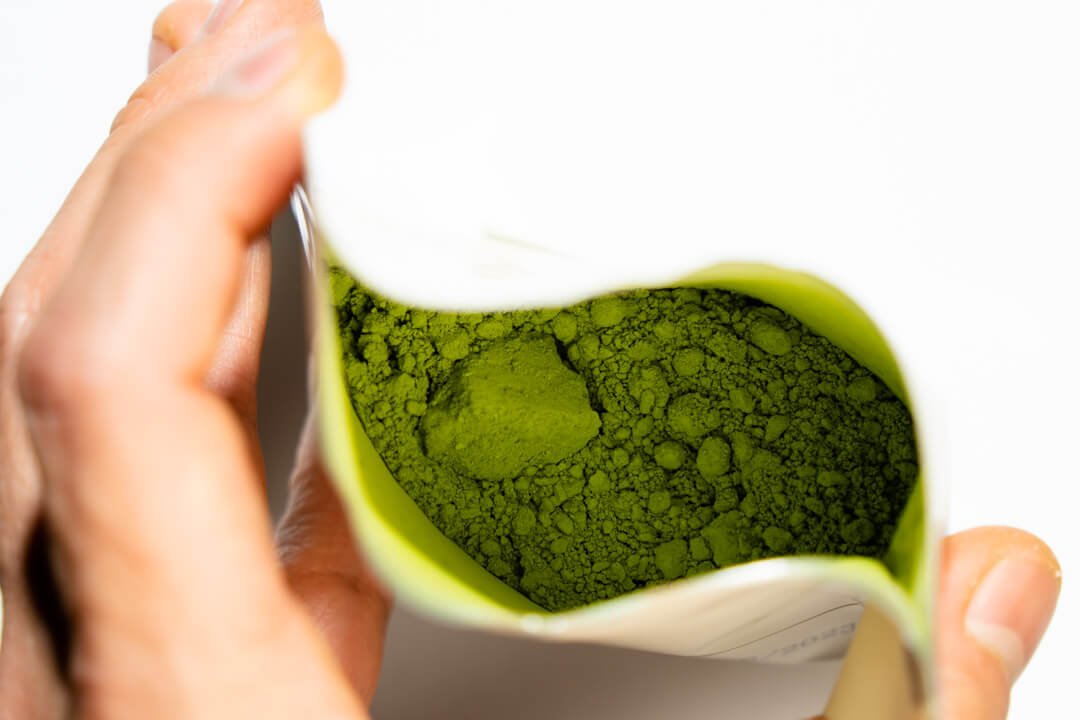
- 100% Pure Premium organic matcha powder
Compare this with the Shizuoka cooking matcha and see if you can tell the difference!
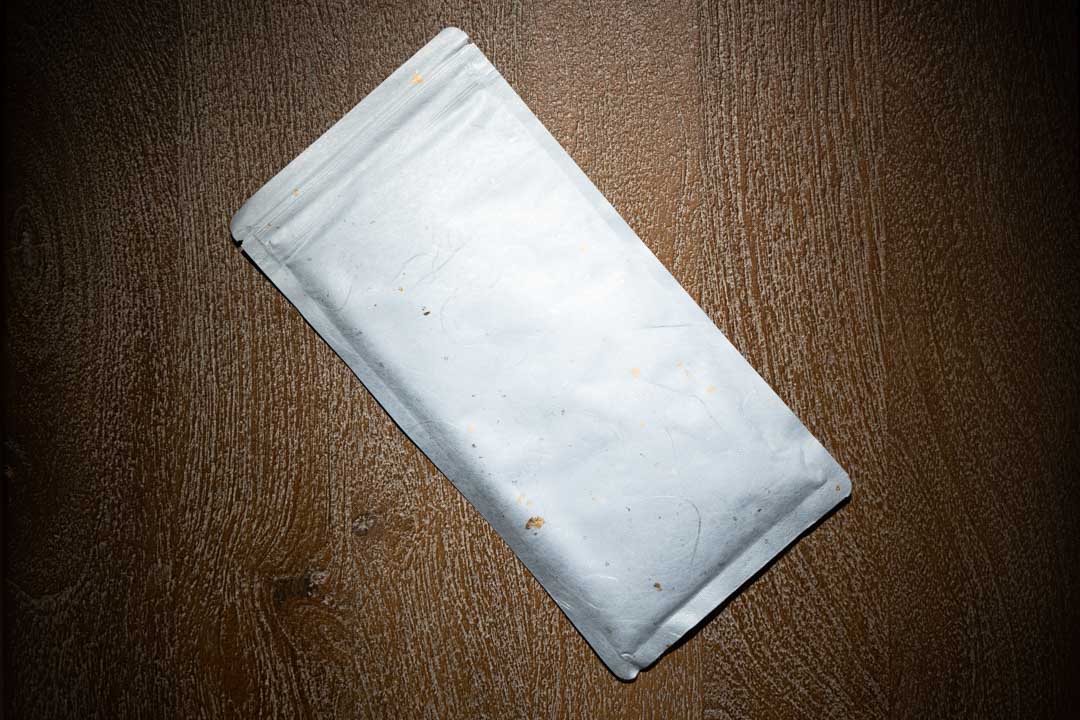
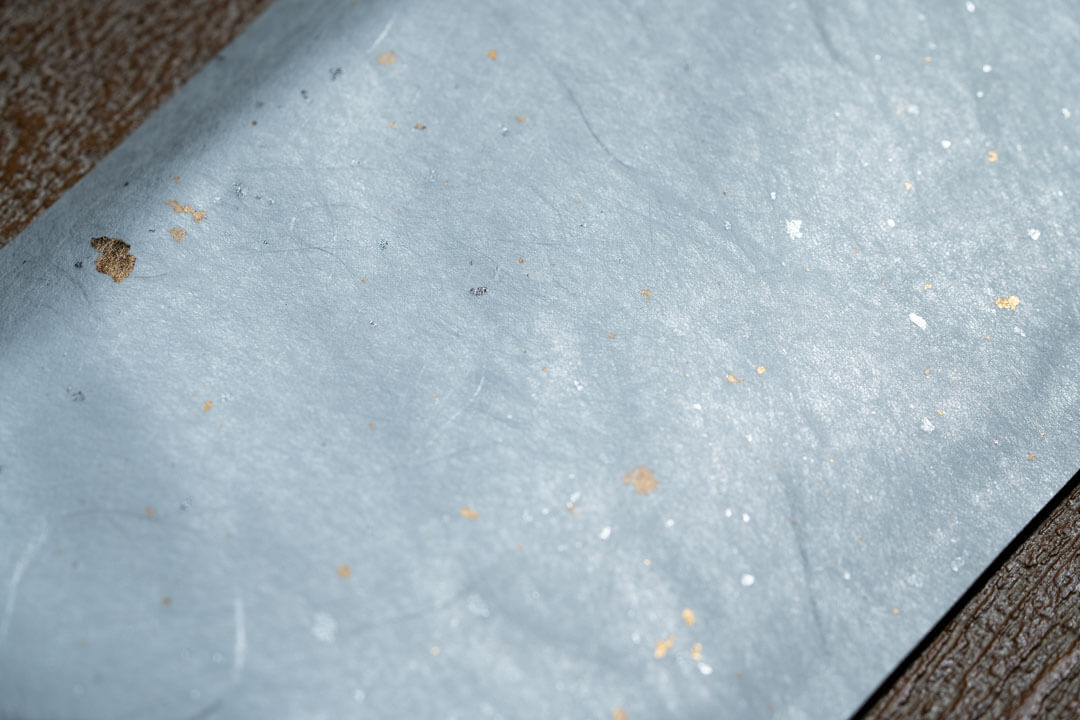
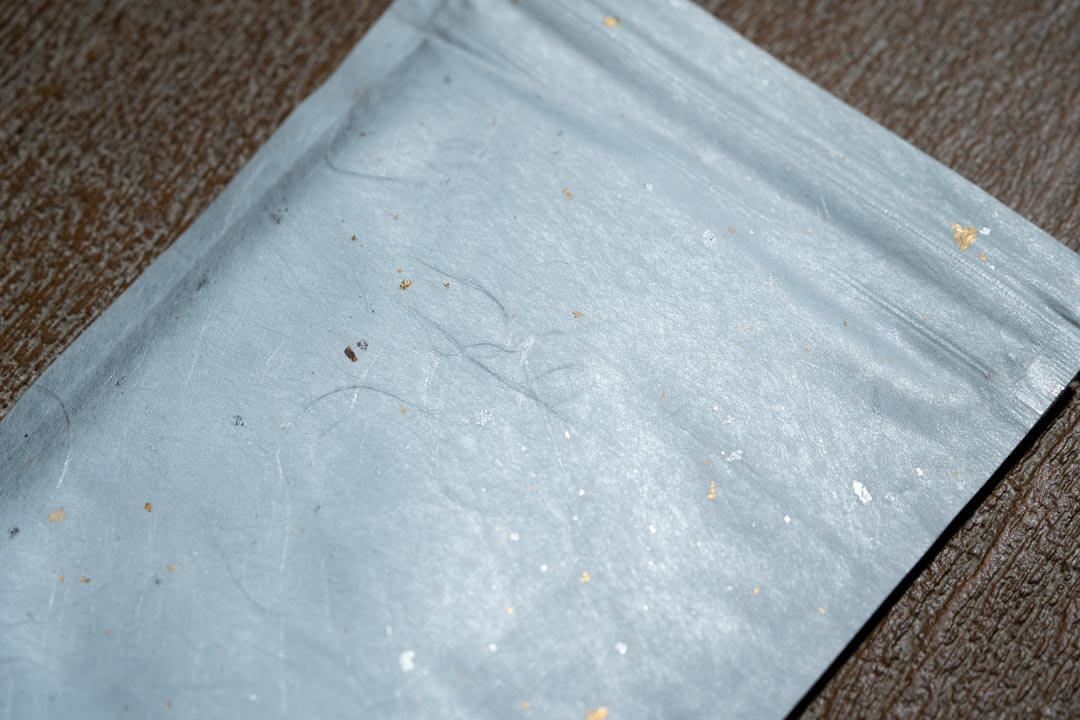
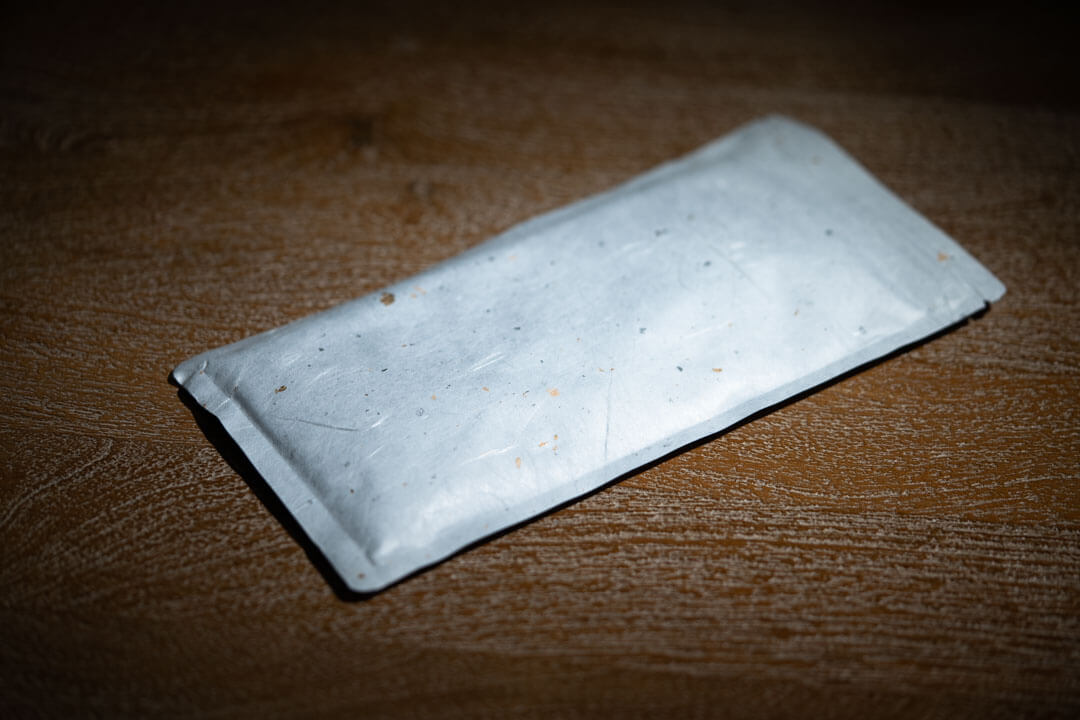
Comes in an aluminum lined washi (traditional japanese paper) bag to protect the tea from heat, light and oxidation.
Available on backorder
Free shipping on orders over $50!
- Satisfaction Guaranteed
- No Hassle Refunds
- Secure Payments
Description
Last updated: April 2026
Curious what the difference is between ‘ceremonial’ and ‘cooking’ or ‘culinary’ matcha? Continue reading and discover what the differences are!
- Ceremonial matcha is whisked directly into hot water and drunk straight; cooking matcha (ryouriyou) is optimized for recipes, lattes, smoothies, and baked goods.
- Using expensive ceremonial matcha in cooking wastes its delicate flavors and aromas, which are lost when diluted in food.
- Shizuoka prefecture produces approximately 40% of Japan’s total tea output — making it the country’s single most important tea-growing region (Japan Tea Central Association, 2024).
- Terroir — the local combination of soil, water, climate, and cultivar — gives Shizuoka matcha a distinct flavor profile compared to regions like Kagoshima.
- This product is certified JAS Organic, vegan, gluten-free, and keto-friendly, making it a versatile everyday culinary ingredient.
What Is the Difference Between Ceremonial and Cooking Matcha?
Cooking matcha is best for recipes, smoothies, lattes, and baked goods — while ceremonial matcha is designed to be whisked directly into hot water and drunk straight. In Japan, cooking matcha is specifically labeled ryouriyou (料理用) — a Japanese term meaning “for cooking use” — to distinguish it from drinking-grade matcha, which carries no such qualifier.
Most matcha sold in Japan is intended for drinking. Because of that, drinking matcha is simply called matcha. The only way to tell cooking from drinking matcha on a Japanese package is the word ryouriyou. To put it simply: matcha, or what is sold in Western markets as “ceremonial,” is for drinking straight after adding hot water and whisking. Cooking or culinary matcha is intended for everything else.
Ceremonial vs. Cooking Matcha: At a Glance
| Feature | Ceremonial Matcha | Cooking / Culinary Matcha |
|---|---|---|
| Intended use | Drunk straight, whisked with hot water | Recipes, lattes, smoothies, baked goods, soba |
| Flavor profile | Delicate, nuanced, complex umami | Bold, robust — holds up when diluted in recipes |
| Typical price | Premium — e.g., $100+ for 40g | More affordable per gram |
| Japanese label | 抹茶 (matcha) | 料理用抹茶 (ryouriyou matcha) |
| Best for | Tea ceremony, pure matcha drinking experience | Everyday cooking, baking, beverages, savory dishes |
| Flavor preserved when cooked? | No — delicate notes are lost | Yes — flavour designed for culinary applications |
Why Shouldn’t You Use Ceremonial Matcha for Cooking?
When you dilute matcha in smoothies, lattes, baked goods, or savory dishes, the delicate flavors and aromas are largely lost — making the premium price of ceremonial matcha (sometimes over $100 for just 40g) impossible to justify for culinary use. Cooking matcha delivers the same vibrant green color and characteristic matcha taste at a fraction of the cost, purpose-built for applications where the tea will be diluted or combined with other ingredients.
While nothing stops you from using ceremonial matcha in your recipes, you risk not using it to its fullest potential. According to Yamamoto et al. (1997, Chemistry and Applications of Green Tea), first-flush tea leaves — the source of top-grade ceremonial matcha — contain the highest concentrations of theanine and prized flavor compounds, which are fragile and diminish under heat and dilution. So why waste it? Cooking matcha gives you the full matcha experience in your recipes while reserving premium grades for drinking.
What Makes Shizuoka Matcha Different?
Shizuoka matcha has a distinctly different flavor, color, and aroma compared to matcha from other Japanese regions because its unique terroir — the French term (loosely translated as “environment”) referring to the combined influence of soil composition, altitude, water source, air quality, and climate — directly shapes how tea plants grow and what flavor compounds they develop. According to the Japan Tea Central Association (2024), Shizuoka prefecture produces approximately 40% of Japan’s total tea output annually, a reflection of the region’s exceptional growing conditions and centuries of tea-farming expertise.
Japanese green tea, including matcha, tastes noticeably different when grown in Shizuoka versus Kagoshima. The cultivar of the tea leaf, along with production and processing techniques layered on top of that terroir, combine to create a distinct and recognizable character. Try and see if you can tell this Shizuoka cooking matcha apart from the Kagoshima one 🙂
Shizuoka Organic Cooking Matcha — Product Details
Best for: Matcha lattes, smoothies, matcha cake, cookies, mochi, ice cream, energy balls, and savory preparations like matcha soba — any recipe where a bold, authentic Japanese matcha flavor is needed without paying a ceremonial-grade premium.
- Vegan, Gluten free, Keto friendly
- Authentic Japanese origin — single origin, Shizuoka prefecture
- 100% Pure Premium organic matcha powder (100g)
- Certified JAS Organic — JAS Organic (Japanese Agricultural Standards) is Japan’s national organic certification, administered by the Ministry of Agriculture, Forestry and Fisheries (MAFF), guaranteeing production without synthetic pesticides or fertilizers
Frequently Asked Questions
What does “ryouriyou” mean on Japanese matcha packaging?
Ryouriyou (料理用) is a Japanese term that translates directly to “for cooking use.” In Japan, drinking-grade matcha requires no special label — it is simply called matcha. Cooking-grade matcha is specifically marked ryouriyou so shoppers can tell the two apart at a glance. In Western markets, this same distinction is usually communicated with the labels “ceremonial” and “culinary” or “cooking.”
Can I drink cooking matcha straight?
Yes, you can, though cooking matcha is formulated to hold up to dilution in recipes rather than to be appreciated on its own. For the most nuanced matcha drinking experience — the subtle umami, the clean finish — ceremonial-grade matcha is the better choice. That said, cooking matcha whisked into hot water or prepared as a latte is perfectly enjoyable for everyday drinking.
What is JAS Organic certification and why does it matter?
JAS Organic (Japanese Agricultural Standards) is Japan’s national organic certification system, administered by the Ministry of Agriculture, Forestry and Fisheries (MAFF). Products carrying the JAS Organic seal have been verified to meet strict standards for organic production — meaning no synthetic pesticides, herbicides, or chemical fertilizers. For matcha specifically, organic certification matters because the entire leaf is consumed in powdered form, so what was applied to the plant ends up in your cup.
How does Shizuoka matcha compare to Kagoshima matcha?
Both regions produce quality Japanese matcha, but they differ noticeably in flavor due to terroir. Shizuoka’s cooler mountain climate, distinct soil profile, and longer tea-farming tradition tend to produce a different flavor character than the warmer, more southerly Kagoshima region. According to the Japan Tea Central Association (2024), Shizuoka accounts for approximately 40% of Japan’s total tea production — a figure that underscores its depth of growing heritage. The best way to understand the difference is to taste them side by side.
Why is ceremonial matcha so expensive?
Ceremonial matcha commands premium prices — sometimes exceeding $100 for just 40g — because it is produced from the finest first-flush (ichibancha) leaves, shade-grown before harvest to concentrate flavor compounds, and then stone-ground to an extremely fine powder. According to Yamamoto et al. (1997, Chemistry and Applications of Green Tea), first-flush leaves harvested in April–May contain the highest levels of theanine and the most prized flavors. That precision and scarcity is reflected in the price — and it’s exactly why cooking matcha is the smarter choice for culinary use.
18 reviews for Shizuoka Organic Cooking Matcha Powder – Single Origin Japan (100g)
Only logged in customers who have purchased this product may leave a review.
Related products
-
Subscribe & Save up to 15%
Sale!


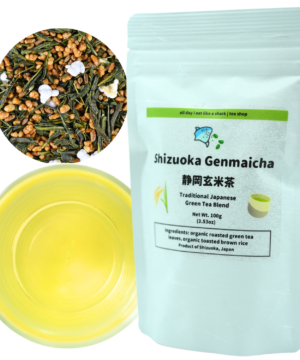
Shizuoka Organic Genmaicha – Japanese Green Tea with Toasted Rice (100g)
Price range: $4.99 through $19.99 — or subscribe to save up to 15%Select options This product has multiple variants. The options may be chosen on the product page -
Sale!
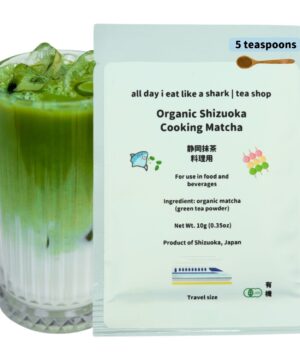
Shizuoka Organic Cooking Matcha Powder – Travel Size Japan (10g)
Original price was: $7.99.$5.99Current price is: $5.99. -
Sale!
Organic Ceremonial Matcha Subscription – 40g Monthly Box from Japan
$19.99 / monthSelect options This product has multiple variants. The options may be chosen on the product page

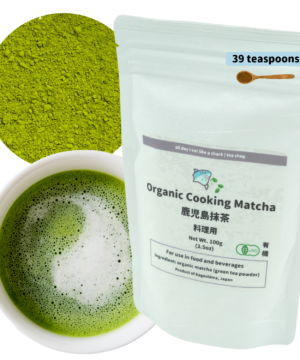 Kagoshima Organic Cooking Matcha Powder - Single Origin Japan (100g)
 &url=https://shop.alldayieat.com/product/shizuokas-finest-organic-cooking-matcha-100g-bag/&media=https://shop.alldayieat.com/wp-content/uploads/2023/11/shizuoka-culinary-matcha-with-cup-1200x1200.png)
&url=https://shop.alldayieat.com/product/shizuokas-finest-organic-genmaicha-tea-roasted-green-tea-and-toasted-rice-100g-bag/&media=https://shop.alldayieat.com/wp-content/uploads/2024/12/genmaicha-100g-bag-angle-view-1200x1200.png)
&url=https://shop.alldayieat.com/product/shizuokas-finest-organic-cooking-matcha-10g-travel-size/&media=https://shop.alldayieat.com/wp-content/uploads/2024/04/shizuokas-cooking-matcha-10g-flat-1200x1200.jpg)

Michael W –
I used this sample size to make matcha scones and it was perfect for testing the quality. The scones turned out super smooth, with a great taste and a beautiful color. I’m quite happy with it.
johngriffin0928 –
I used to love the green tea ice cream at a local Asian restaurant. Now, thanks to this matcha powder, I can make it at home. The powder dissolves easily in hot water, and I add the matcha mixture to the custard base before adding the heavy cream. The resulting ice cream is heavenly.
While I’m sure there are many other uses for this delicious powder, I’m currently obsessed with making green tea ice cream. I’m so happy to have that flavor back in my life!
DrS –
I use this matcha powder in my morning nut milk drinks. It’s quite tasty, especially when combined with medicinal TCM mushrooms. It’s a good quality matcha, and I can definitely taste the difference!
Ron –
I love the taste and how easily this dissolves in warm milk. I will be buying this in bulk and stock up my pantry. I can highly recommend you try this one out if you love green and matcha tea.
Noah M –
I’m not sure if fake matcha exists, but I really enjoyed this one. It makes a delicious drink, and I’m looking forward to using it for matcha rolls. It seems to be of decent quality, and I’m happy with it.
BoopBleepBlop –
I’m not a huge fan of traditional matcha. I prefer it in boba, ice cream, or latte form, as I find it too bitter as a regular tea. This matcha, however, is very subtle at 1/2 teaspoon per cup of water, making it easy to adjust the strength and flavor to your liking. I recommend it to anyone new to matcha.
Lisa –
The organic certification of this matcha powder gives me peace of mind. It’s completely additive-free and made from organically grown green tea, which is very healthy. I’m a big fan of matcha powder. It has a rich aroma and a delicious taste. Whether I’m making matcha lattes, ice cream, or cakes, it enhances the flavor and makes my cooking even more enjoyable.
Yashahime –
I mainly make matcha cookies using Culinary Grade matcha using the Shizuoka’s Finest Organic Cooking Matcha was a great additional to my baking. Although at 3oz the matcha is slightly on the pricier side, but the matcha flavor comes out well when used. The matcha does have a darker green color that you’d expect from matcha. While the matcha itself was usable and alright, at the price point there are better options for matcha out there, but this one is decent for what it provides.
Customer –
This matcha tea has a very nice scent and subtle flavor. I use it to make green matcha desserts.
johnmc –
I appreciate that this matcha is from Shizuoka, Japan. It has a true matcha flavor, and you can adjust the strength by controlling the amount of powder used. For a simple tea, a small pinch is all you need.
Debbie –
I was curious about organic matcha and decided to try a 10g sample. Unfortunately, the sample package wasn’t resealable, so I had to either use it all at once or transfer the remaining powder to an airtight container. While I haven’t tried green tea leaves, I enjoyed the matcha tea I made. Despite steeping for about 20 minutes, it wasn’t bitter. I think it would also be a great addition to various foods.
Calm Tom –
This was a matcha. We used it to make a small batch of ice cream, following a recipe that only required a small amount of matcha. As this is our first time using matcha, we can’t compare it to other brands. However, the ice cream turned out delicious.
JJ –
This matcha powder is easy to drink. The taste is lighter than other matcha powder that I had. It’s lighter but not weak, so it’s especially good if you’re new to matcha. You only need about half a teaspoonful to make a cup. It’s a sample size, and I think there’s about 5-6 servings in the bag. The bag is not resealable, so I store it in a sandwich-size zipper bag.
SunnySkies –
I’ve been eager to try a matcha cookie recipe, and this culinary-grade matcha was perfect! It added a delightful herbaceous flavor and a vibrant green color to my cookies. While cookies aren’t exactly health food, I like to believe that the addition of matcha provides a nutritional boost to my baked goods. I haven’t tried it as a tea, but it works wonderfully as a baking ingredient.
Choosy Indecisive –
I’ve been adding matcha to my green smoothies. While I find it too intense to drink on its own, it adds a lovely flavor to smoothies with bananas, yogurt, milk, and spinach.
Philly –
As a recent matcha tea enthusiast, I’m no expert. However, this matcha produced a lovely cup of tea. It mixed well and had a good flavor, comparable to other brands I’ve tried.
I appreciate the option to try a sample size before committing to a larger purchase.
CR –
I chose Shizuoka’s Finest Organic Cooking Matcha from All Day I Eat Like a Shark tea shop because I wanted to experiment with cooking using matcha without compromising my ceremonial-grade powder. While the matcha has a pleasant aroma, it’s slightly bitter, which is typical for culinary-grade matcha. It’s definitely not suitable for traditional matcha tea. I made a quick latte with it, and the sweetness helped to balance the bitterness. However, I do think it’s a bit overpriced compared to other culinary-grade matcha options on the market.
Beau+Dee Vine –
I keep hearing “matcha is good for you”; so I ordered this product. I am still learning the diverse ways this product can be consumed. Initial impression: recommended.