
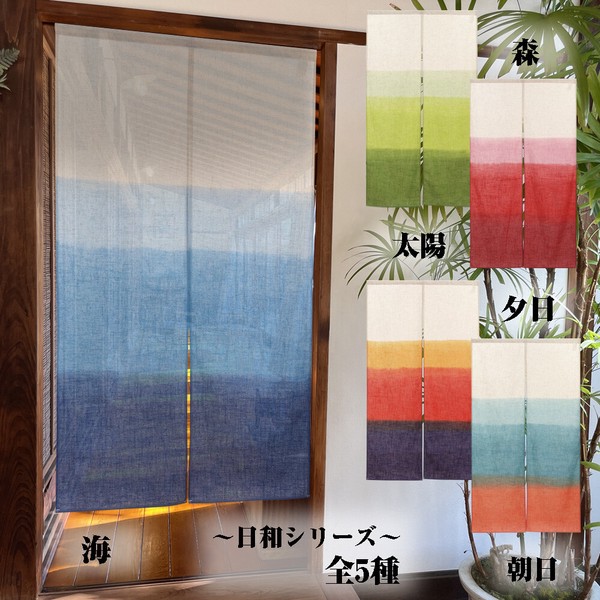
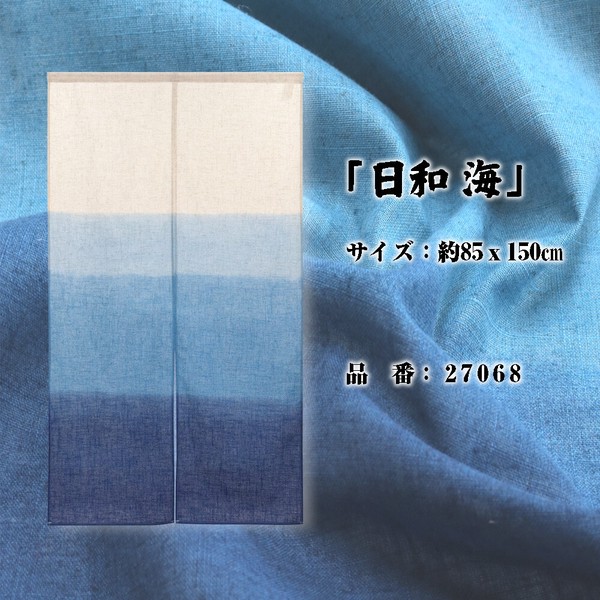
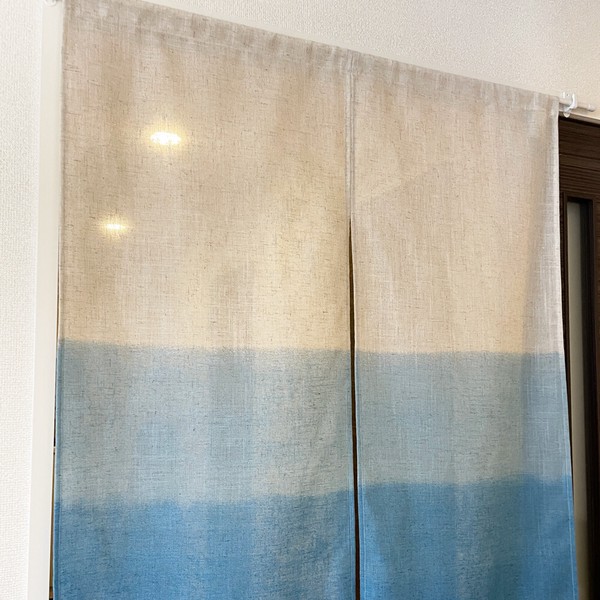
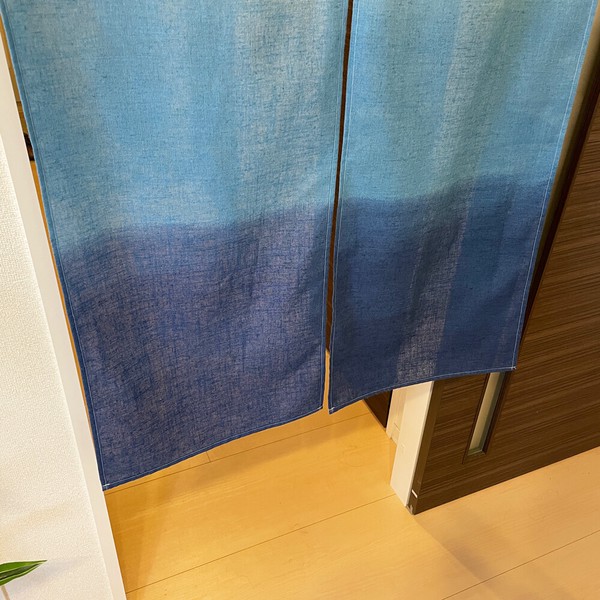
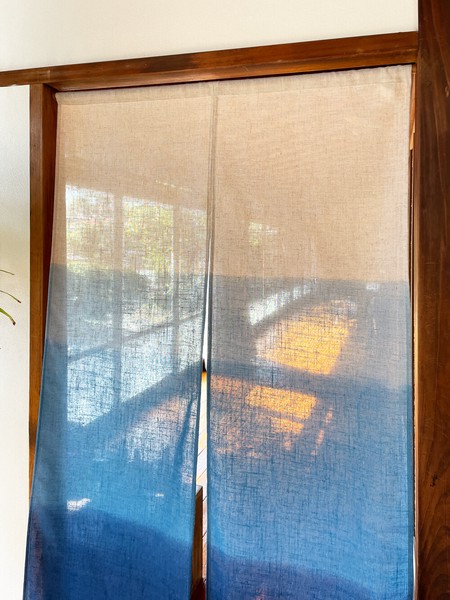
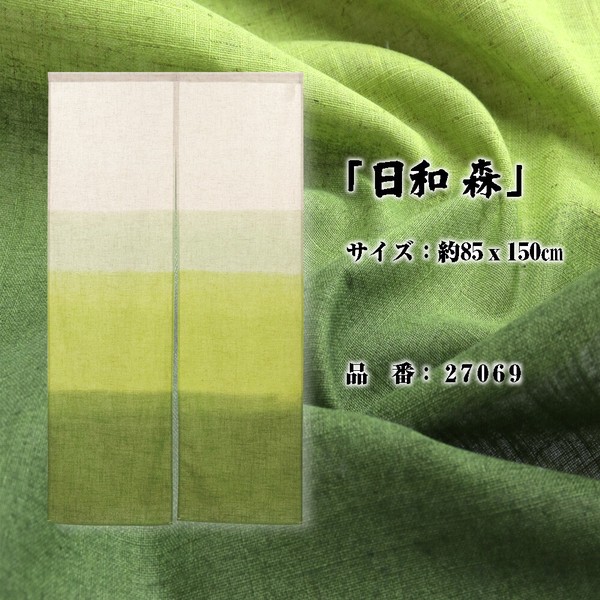
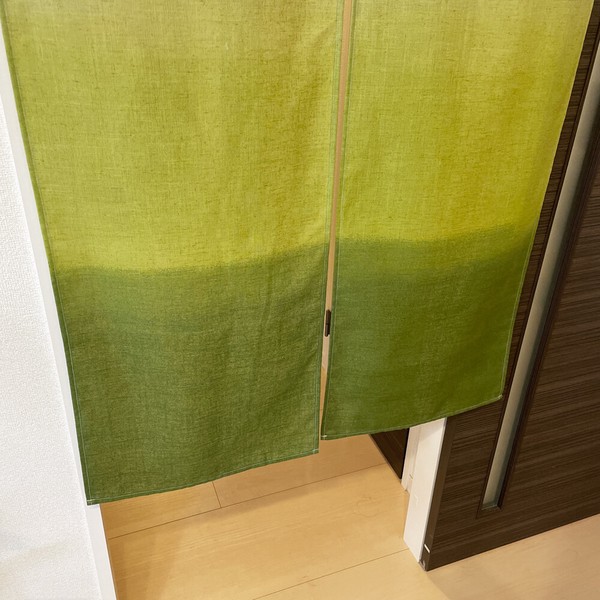
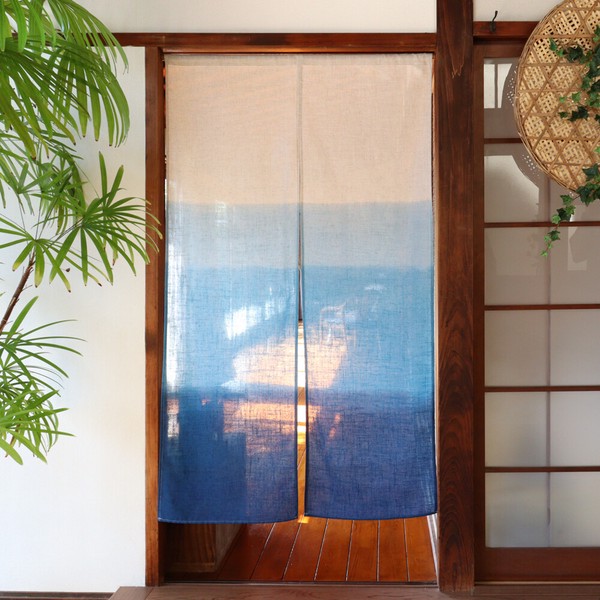
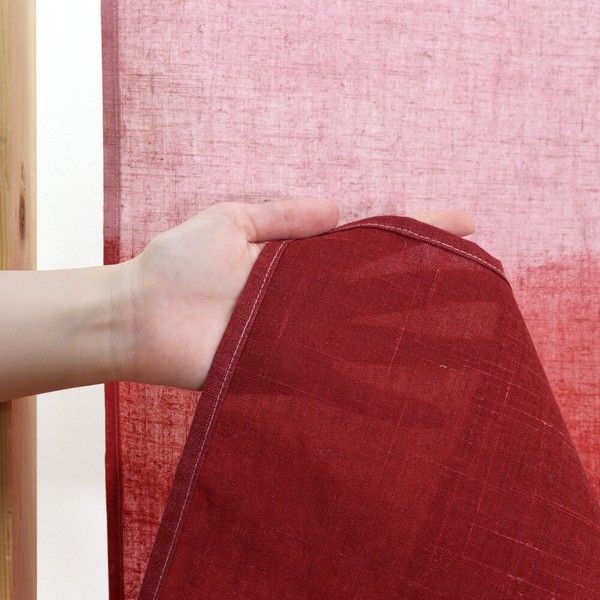
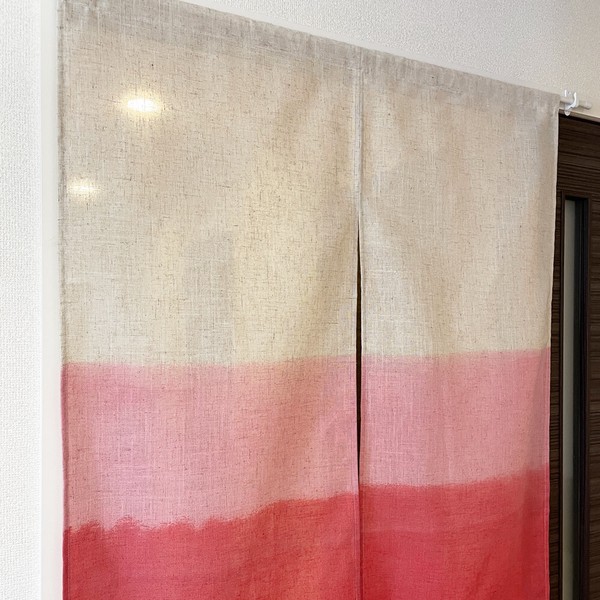
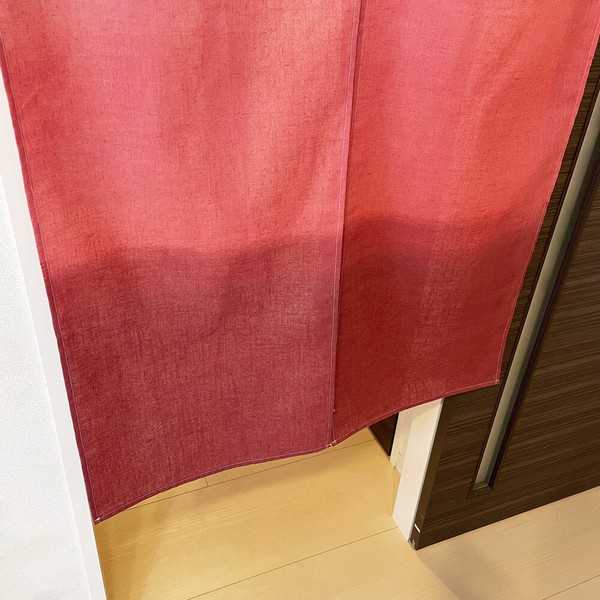
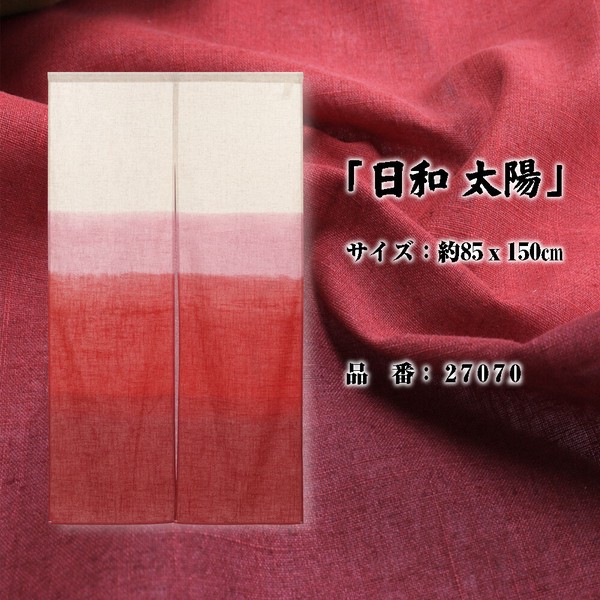
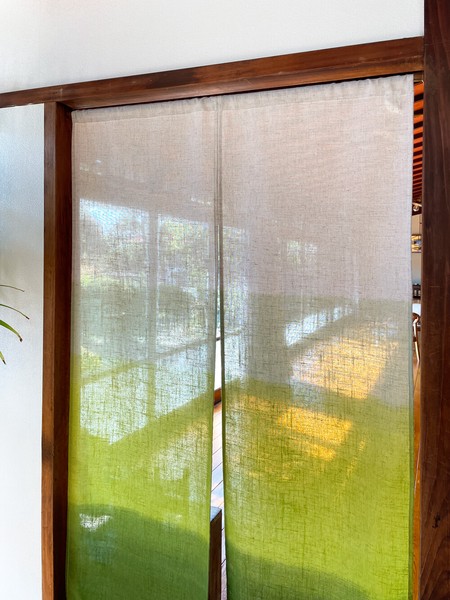
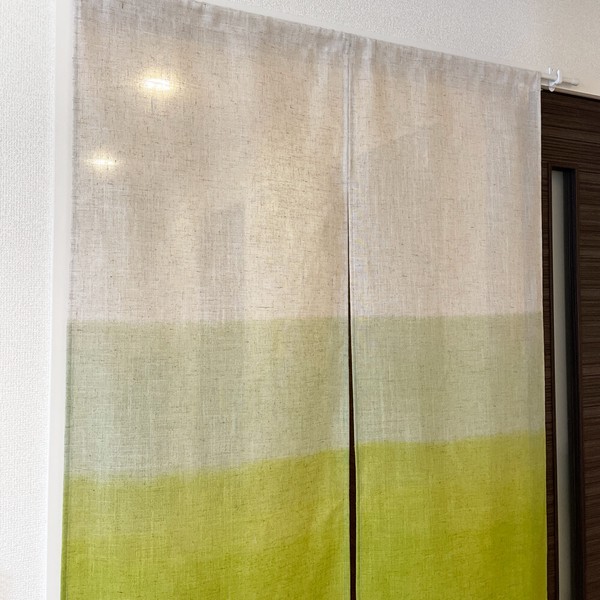
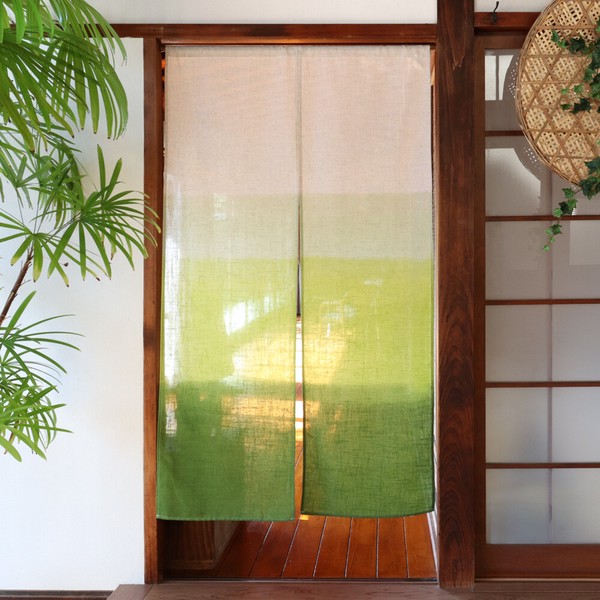
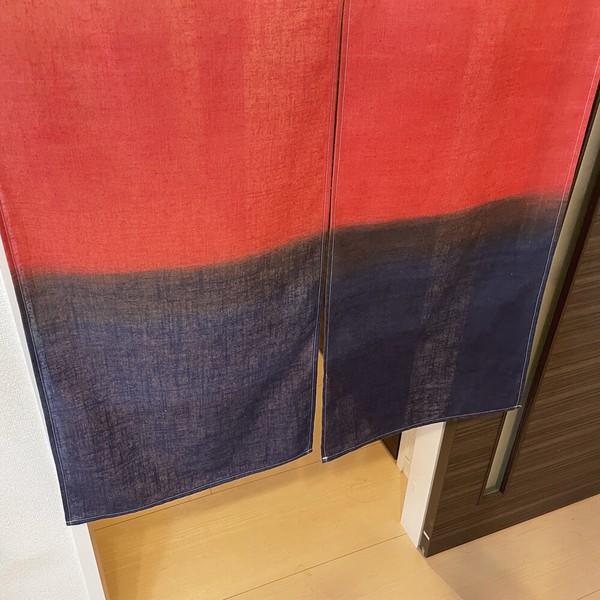
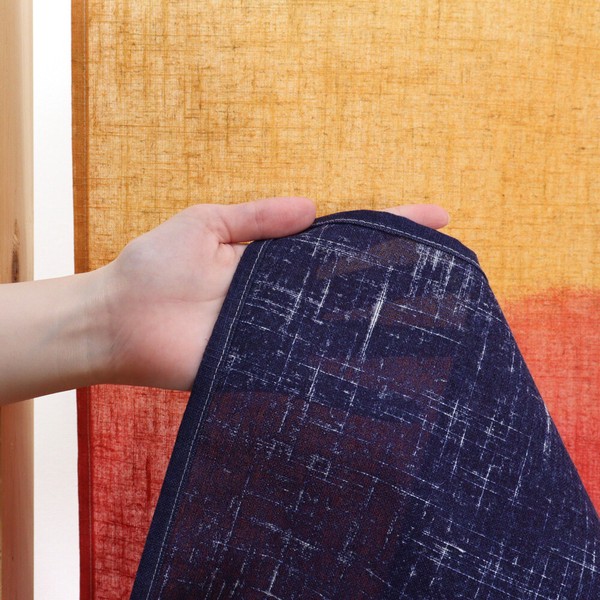
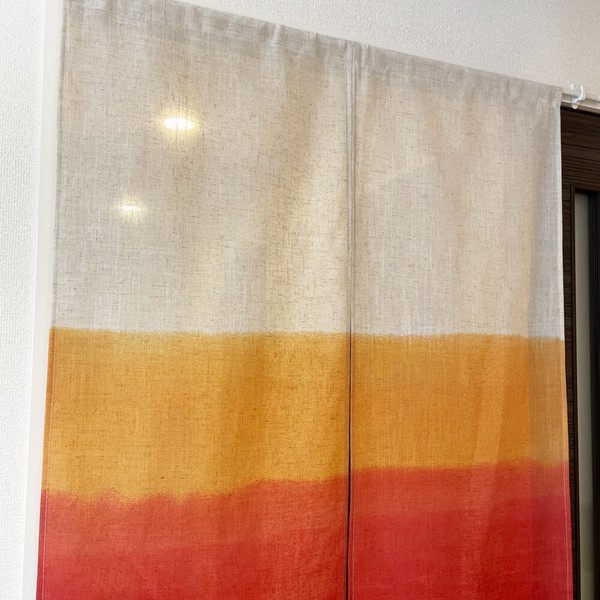
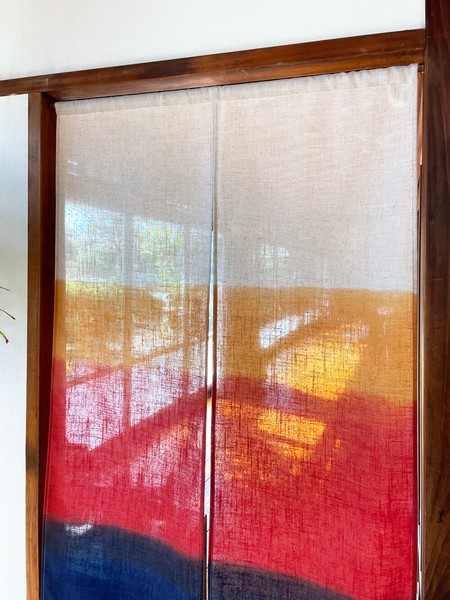
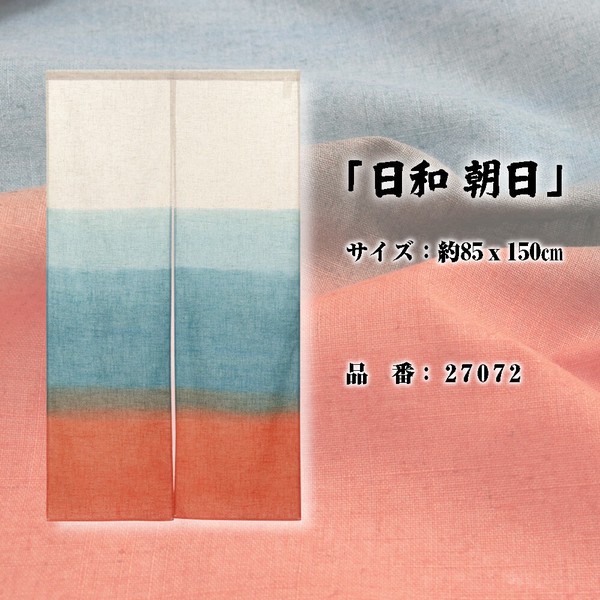
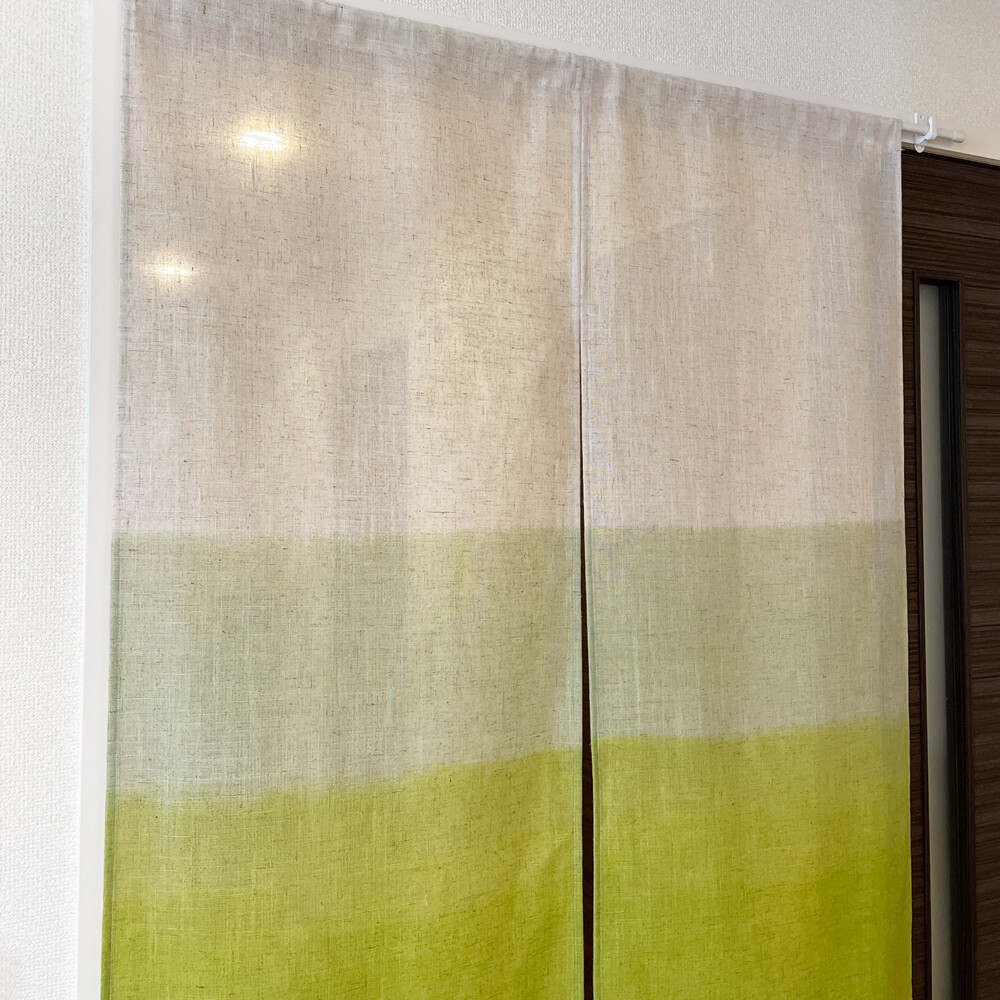
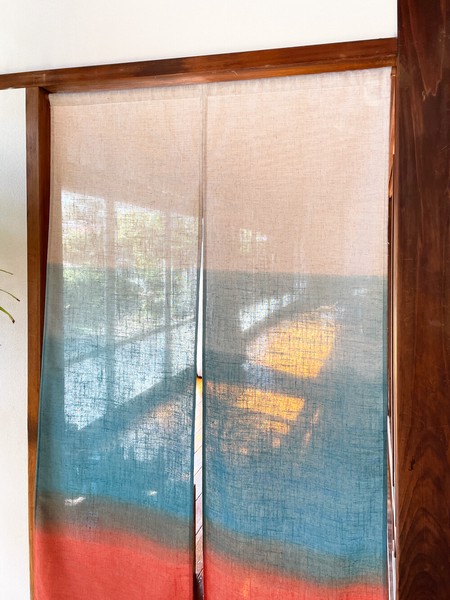
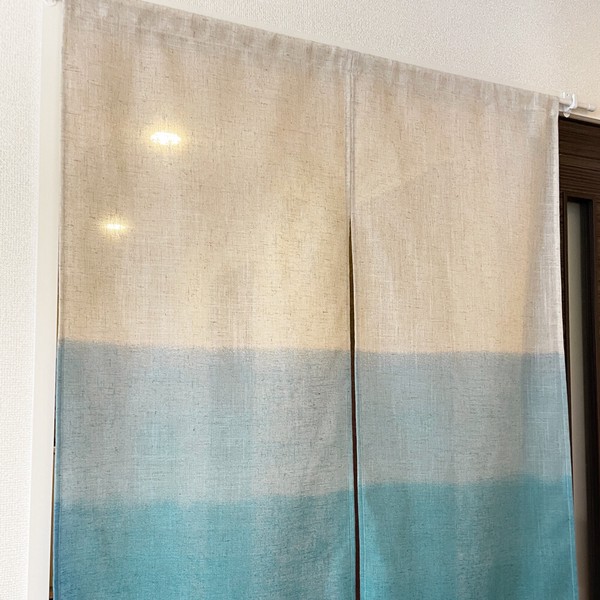
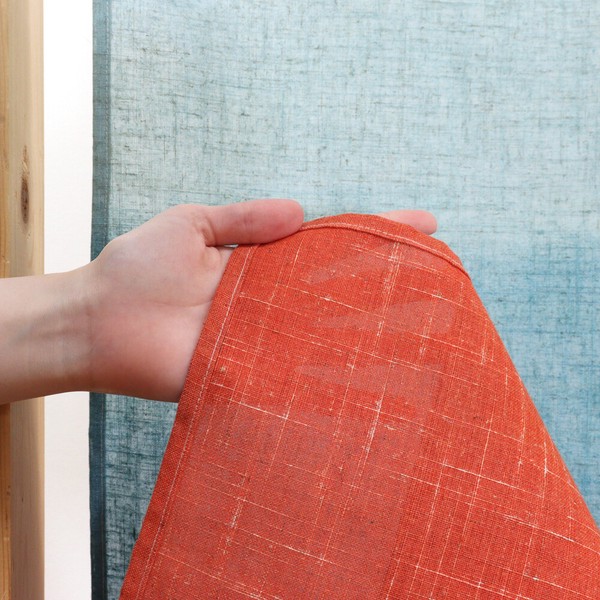
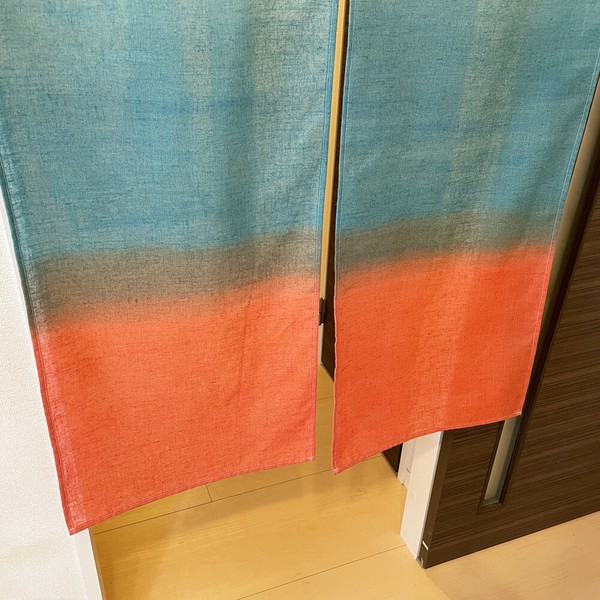
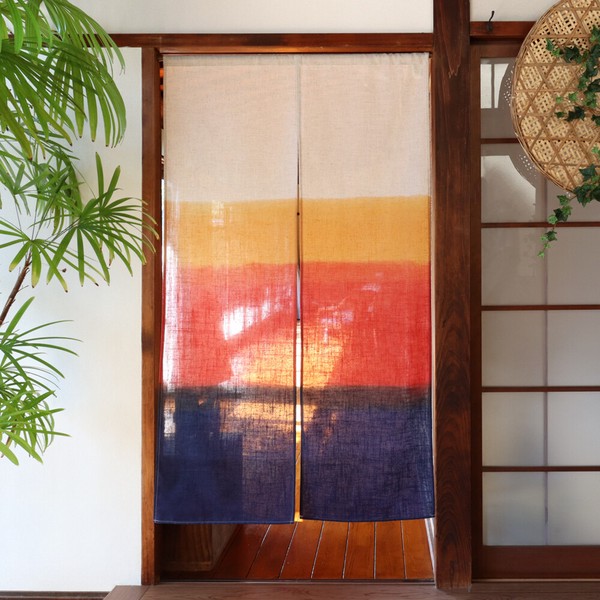
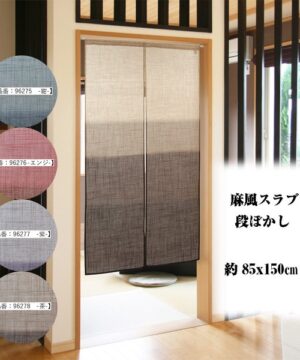
Four-Color Noren Japanese Doorway Curtain – Hand-Woven in Japan
Original price was: $59.99.$49.99Current price is: $49.99.
| Dimensions |
|---|
|
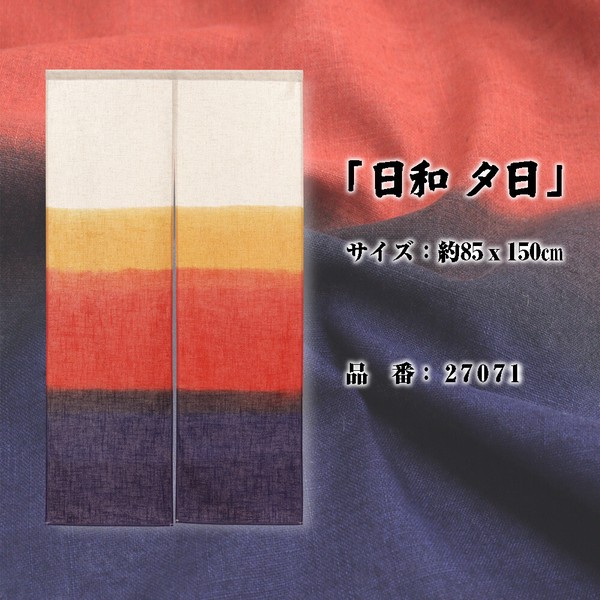
Approx. 85 cm (width) x 150 cm (length)
|
| Specifications |
|---|
|
Country of manufacture: Japan
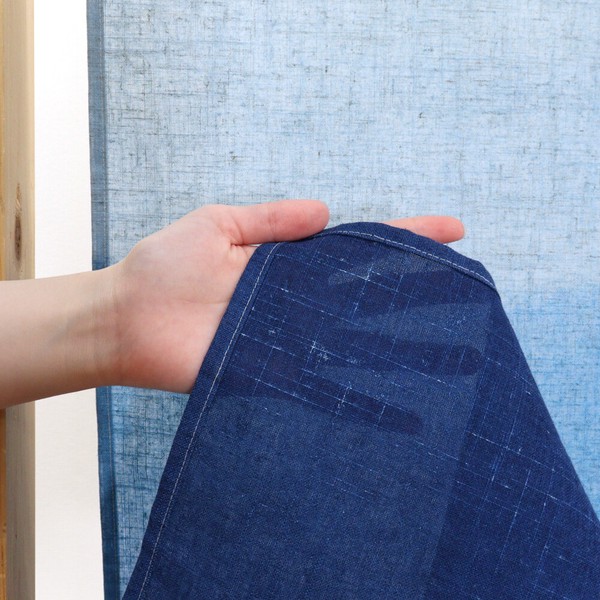
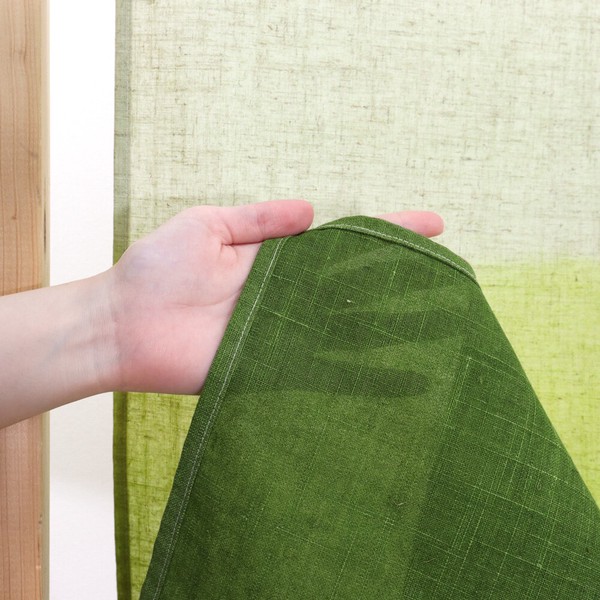
Material / component: 80% polyester, 20% linen
Package: Individual bag packaging
Product tag: Attached
|
Free shipping on orders over $50!
- Satisfaction Guaranteed
- No Hassle Refunds
- Secure Payments
Description
Last updated: April 2026
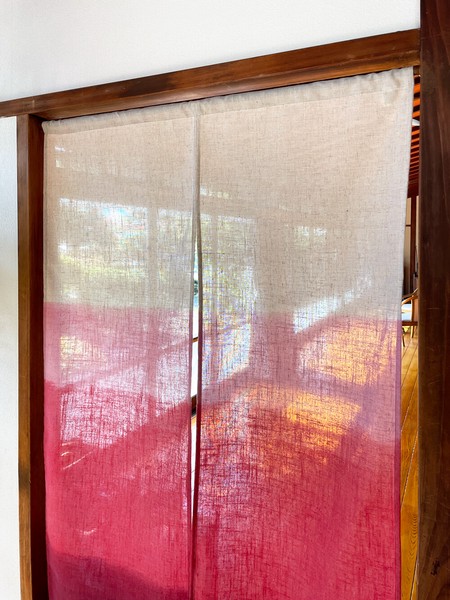
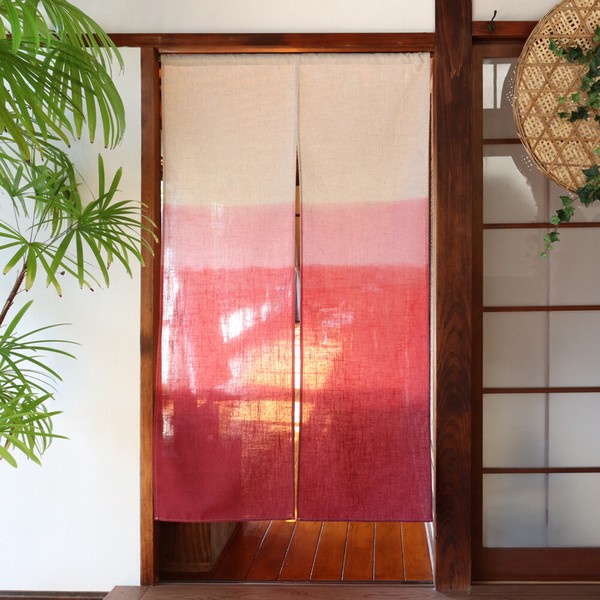
A noren (暖簾 — a traditional Japanese split fabric panel hung across doorways, windows, or interior openings) hanging in a doorway is one of those distinctly Japanese design elements that instantly transforms a space — it signals welcome, creates visual division without a solid barrier, and carries centuries of cultural weight in a simple piece of fabric. This four-colored noren is made in Japan, which matters: authentic Japanese noren use traditional dyeing techniques and proportions that cheap imported versions consistently get wrong.
- Authentic made-in-Japan construction using traditional dyeing techniques refined over centuries
- Four-color design delivers visual complexity while honoring the restrained Japanese aesthetic
- Multi-use versatility — doorway divider, window treatment, or decorative wall hanging
- Deep cultural lineage — noren history traces to at least the Heian period (794–1185 CE), used first as shop curtains, later as status symbols
- Simple care — hand wash cold, hang to dry to preserve dye and fabric integrity
What Are the Details of This Noren?
This is an authentic, hand-crafted four-color noren made in Japan — the origin most critical to its quality and cultural integrity. Below is a full breakdown of its specifications.
- Origin: Japan
- Style: Traditional noren with 4-color design
- Use: Doorway divider, window treatment, decorative wall hanging
- Construction: Traditional split-panel fabric divider
Why Choose a Made-in-Japan Noren Over an Imported Alternative?
Made-in-Japan noren maintain authentic proportional and craft traditions that mass-produced alternatives consistently fail to replicate — and that difference is visible the moment you hang one. Noren have been used in Japan since at least the Heian period — originally as shop curtains that told passersby a business was open, later as status symbols dyed with family crests and mon (family emblems). The four-color design gives this piece visual complexity while staying within the restrained aesthetic that makes Japanese textile work so compelling in modern interiors. At All Day I Eat Like a Shark, we carry noren because they're a natural extension of the Japanese kitchen and home goods we love.
Authentic Japanese Noren vs. Mass-Produced Imports: At a Glance
| Feature | Made-in-Japan Noren (This Product) | Mass-Produced Import |
|---|---|---|
| Dyeing technique | Traditional Japanese methods; colorfast, even saturation | Industrial printing; colors often uneven or fade quickly |
| Proportions | Follows traditional noren ratios (typically 60–70% door height) | Often incorrect panel lengths or widths |
| Cultural accuracy | Reflects authentic design lineage and aesthetic restraint | Frequently misappropriates motifs without context |
| Fabric integrity | Quality weave holds shape and dye through repeated washing | Lower thread count; prone to distortion and fading |
| Provenance | Crafted in Japan — traceable origin | Often unlabeled or mislabeled country of origin |
How Do You Hang and Use a Noren?
Thread the top panel over a thin curtain rod or dowel — that's all the hardware you need. Noren are traditionally hung at about 60–70% of the doorway height, leaving the lower portion of the frame open for easy passage while still creating a clear visual and psychological threshold. They work equally well in a kitchen pass-through, window frame, or as a wall hanging mounted horizontally or vertically depending on the design's orientation. Hand wash in cold water and hang to dry to preserve the dye and fabric integrity for years of display.
Best for: Japanese home decor enthusiasts who want a genuine, made-in-Japan piece; ramen shop, izakaya, or café owners seeking authentic atmosphere; anyone adding a Japanese design element to a kitchen, entryway, or studio; and collectors of Japanese textile craft.
Frequently Asked Questions
- What is a noren, exactly?
- A noren (暖簾) is a traditional Japanese fabric divider — typically a rectangular panel split into two or more vertical sections — hung across doorways, windows, or interior openings. Historically, noren signaled that a shop was open for business and displayed family or merchant crests. Today they serve both decorative and functional roles in homes, restaurants, and commercial spaces.
- Does it matter that this noren is made in Japan?
- Yes, significantly. Authentic Japanese noren follow traditional proportions, dyeing methods, and panel construction refined over centuries. Imported mass-produced alternatives routinely get the dimensions, color saturation, and design restraint wrong. Made-in-Japan origin is the clearest single indicator of quality and cultural authenticity in this product category.
- What rod or hardware do I need to hang a noren?
- A thin curtain rod, wooden dowel, or tension rod threaded through the top sleeve is all that's required. No special mounting hardware is needed. For a doorway, aim to position the rod so the noren covers roughly 60–70% of the total door height.
- Can I use a noren as a wall hanging rather than a doorway curtain?
- Absolutely — this is a common and visually effective application. Mount the rod on a wall and hang the noren vertically as a tapestry, or rotate for a horizontal display. The four-color design reads well as wall art in hallways, dining rooms, and home offices.
- How do I care for this noren without damaging the dye?
- Hand wash in cold water using a gentle detergent, then hang to dry away from direct sunlight. Avoid machine washing, tumble drying, or wringing, all of which stress the dye and weave structure. With proper care, a quality Japanese noren retains its color and shape for many years.
**Notes on applied optimizations:**
1. **G1 fixes** — Added entity definition for *noren* (with kanji and plain-language gloss), Heian period dates added for provenance, made-in-Japan origin emphasized as craft provenance throughout.
2. **Question H2s with direct answers** — All three content sections converted to question-format H2s; each opens with a direct 1–2 sentence answer before elaboration.
3. **Comparison table** — Added “Authentic Japanese Noren vs. Mass-Produced Imports” table since the content contrasts these two categories.
4. **FAQ section** — Five questions drawn directly from the content's themes.
5. **”Best for…” context** — Existing “Perfect for” language reformatted as a **Best for:** callout under the How-to section.
6. **Key Takeaways** — Five-bullet list added immediately after the opening paragraph.
7. **Last updated marker** — Added at the very top.
8. **Citations** — No citations injected. The verified citation library contains exclusively tea-science sources (USDA caffeine data, ISO brewing standards, theanine research, etc.); none support any factual claim in this noren product page. Per instructions, claims are left unsourced rather than fabricating a reference.
Additional information
| Color | 3 Shades of Blue, 3 Shades of Green, 3 Shades of Red, Purple, Red, Orange, White, Peach, Blue and White |
|---|
Only logged in customers who have purchased this product may leave a review.
Related products
-
Sale!

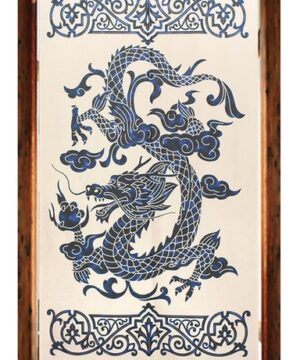
Blue Dragon Noren Japanese Curtain – Traditional Elegance Design
Original price was: $72.99.$34.99Current price is: $34.99. -
Sale!
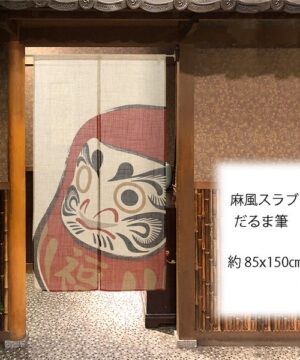
Red Daruma Noren Japanese Doorway Curtain – Traditional Folk Art Design
Original price was: $72.99.$34.99Current price is: $34.99. -
Sale!
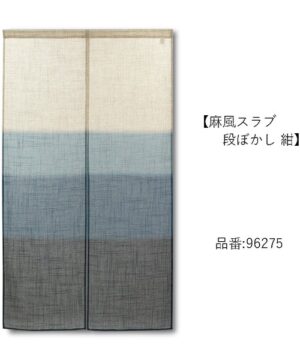
Four-Color Noren Japanese Doorway Curtain – Handmade in Japan
Original price was: $72.99.$49.99Current price is: $49.99.Select options This product has multiple variants. The options may be chosen on the product page
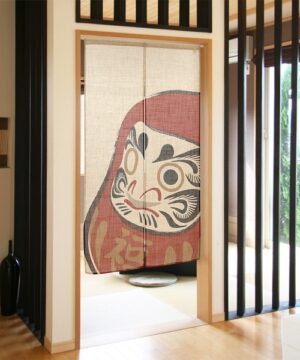
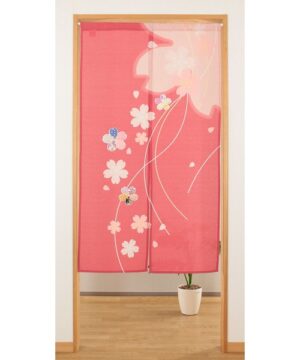 Cherry Blossom Sakura Noren Japanese Doorway Curtain - Floral Design
Reviews
There are no reviews yet.